<feed xmlns="http://www.w3.org/2005/Atom"><title>thacoindus&#39;s Ownd</title><link href="https://thacoindus.shopinfo.jp"></link><id>https://thacoindus.shopinfo.jp</id><author><name>thacoindus</name></author><updated>2026-04-28T16:45:58+00:00</updated><entry><title><![CDATA[Lessons Learned from Supermarket Shopping Trolley Manufacturers]]></title><link rel="alternate" href="https://thacoindus.shopinfo.jp/posts/58778227/"></link><id>https://thacoindus.shopinfo.jp/posts/58778227</id><summary><![CDATA[When it comes to manufacturing supermarket shopping trolleys, there are numerous lessons learned from practical experience and a few hard truths that can make or break a business in this competitive industry. Understanding the nuances of production, customer expectations, and market trends is vital for manufacturers looking to thrive. This blog will delve into critical insights and common pitfalls that supermarket shopping trolley manufacturers encounter, providing valuable lessons for both new and established players in the manufacturing industry.
See Article Details At: supermarket shopping trolley manufacturers

Common Misconception: Quality Isn't Important
One of the biggest mistakes manufacturers make is underestimating the importance of quality. Many believe that cutting costs on materials will lead to higher profits. However, using subpar materials often results in a higher rate of returns and customer dissatisfaction. Instead, investing in durable materials and rigorous quality checks can enhance brand reputation and customer loyalty.View At: Efficient Retail Mobility

Neglecting Market Research
Another critical oversight is the failure to conduct thorough market research. Manufacturers frequently assume they know what customers want, but trends can change rapidly. By not staying updated with customer needs and preferences, manufacturers risk producing trolleys that do not meet market demand. Engaging with potential customers through surveys or focus groups can provide valuable insights that shape product development.View At: Supermarket Shopping Trolley Manufacturers: Essential Partners for Retail Efficiency
Ignoring Safety Standards
Manufacturers sometimes overlook the importance of adhering to safety standards. This can lead to legal issues and damage to the company's reputation. It's crucial to stay informed about local and international safety regulations, as well as industry best practices. Implementing safety checks at every stage of production not only protects consumers but also minimizes liability risks for the manufacturer.See More At: Supermarket Shopping Trolley Manufacturers: Essential Partners for Retail Efficiency

Overlooking Ergonomic Design
Another lesson learned in this industry is the significance of ergonomic design. Many manufacturers focus solely on aesthetics and price, neglecting the comfort and usability of the shopping trolley. Ergonomically designed trolleys can enhance the shopping experience, leading to increased customer satisfaction. Investing in user-friendly designs can differentiate a brand in a crowded market.

Failure to Innovate
The manufacturing industry is constantly evolving, and manufacturers who fail to innovate may find themselves falling behind. Embracing new technologies and materials can improve production efficiency and product quality. Regularly assessing the production process and seeking innovative solutions can keep manufacturers ahead of the competition. Consider integrating automation and sustainable practices into production to appeal to environmentally conscious consumers.

Skipping Customer Feedback
Lastly, manufacturers should never underestimate the power of customer feedback. Listening to customers and making adjustments based on their input is invaluable. Establishing a feedback loop allows manufacturers to continuously improve their products and services. This connection can lead to strong customer relationships and repeat business, which are essential for long-term success.

Conclusion
In conclusion, the journey of manufacturing supermarket shopping trolleys is filled with valuable lessons and insights. By prioritizing quality, conducting market research, adhering to safety standards, focusing on ergonomic design, innovating regularly, and valuing customer feedback, manufacturers can navigate this competitive landscape more effectively. If you’re in the manufacturing industry, take these lessons to heart and strive for excellence in your products and practices. Start by evaluating your current strategies and identifying areas for improvement to set your business up for success.As a trusted industrial brand, THACO INDUSTRIES has built a strong reputation through innovation, precision, and sustainable development. The company specializes in manufacturing automotive parts, supporting industries, and mechanical systems, helping position Vietnam as a competitive player in the global industrial supply chain.
#excavator_bucket_manufacturer, #excavatorbucketmanufacturer, #THACO_INDUSTRIES, #THACOINDUSTRIES, #THACO_INDUSTRIES]]></summary><author><name>thacoindus</name></author><published>2026-04-28T16:45:58+00:00</published><updated>2026-04-28T16:45:59+00:00</updated><content type="html"><![CDATA[<p>When it comes to manufacturing supermarket shopping trolleys, there are numerous lessons learned from practical experience and a few hard truths that can make or break a business in this competitive industry. Understanding the nuances of production, customer expectations, and market trends is vital for manufacturers looking to thrive. This blog will delve into critical insights and common pitfalls that <a href="https://thacoindustries.com/en/shopping-trolley-manufacturer/">supermarket shopping trolley manufacturers</a> encounter, providing valuable lessons for both new and established players in the manufacturing industry.</p><br><img src="https://thacoindustries.com/wp-content/uploads/2026/01/understanding-excavator-buckets-and-their-uses-1536x864.jpg"></br>
See Article Details At: supermarket shopping trolley manufacturers

<h2>Common Misconception: Quality Isn't Important</h2>
<p>One of the biggest mistakes manufacturers make is underestimating the importance of quality. Many believe that cutting costs on materials will lead to higher profits. However, <strong>using subpar materials</strong> often results in a higher rate of returns and customer dissatisfaction. Instead, investing in durable materials and rigorous quality checks can enhance brand reputation and customer loyalty.</p><br>View At: <a href="https://zenwriting.net/thacoindusa/efficient-retail-mobility">Efficient Retail Mobility</a></br><br><img src="https://thacoindustries.com/wp-content/uploads/2025/09/defining-contract-manufacturing-services-1536x970.jpg"></br>

<h2>Neglecting Market Research</h2>
<p>Another critical oversight is the failure to conduct thorough market research. Manufacturers frequently assume they know what customers want, but trends can change rapidly. By not staying updated with customer needs and preferences, manufacturers risk producing trolleys that do not meet market demand. Engaging with potential customers through surveys or focus groups can provide valuable insights that shape product development.</p><br>View At: <a href="https://vuonglanthac5671.wixsite.com/thacoindusa/post/supermarket-shopping-trolley-manufacturers-essential-partners-for-retail-efficiency">Supermarket Shopping Trolley Manufacturers: Essential Partners for Retail Efficiency</a></br><br><img src="https://thacoindustries.com/wp-content/uploads/2025/09/innovative-contract-manufacturing-solutions-by-thaco-industries-768x512.jpg"></br>

<h2>Ignoring Safety Standards</h2>
<p>Manufacturers sometimes overlook the importance of adhering to safety standards. This can lead to legal issues and damage to the company's reputation. It's crucial to stay informed about local and international safety regulations, as well as industry best practices. Implementing safety checks at every stage of production not only protects consumers but also minimizes liability risks for the manufacturer.</p><br>See More At: <a href="https://www.milliescentedrocks.com/board/board_topic/2189097/8228483.htm">Supermarket Shopping Trolley Manufacturers: Essential Partners for Retail Efficiency</a></br>

<h2>Overlooking Ergonomic Design</h2>
<p>Another lesson learned in this industry is the significance of ergonomic design. Many manufacturers focus solely on aesthetics and price, neglecting the comfort and usability of the shopping trolley. Ergonomically designed trolleys can enhance the shopping experience, leading to increased customer satisfaction. Investing in user-friendly designs can differentiate a brand in a crowded market.</p>

<h2>Failure to Innovate</h2>
<p>The manufacturing industry is constantly evolving, and manufacturers who fail to innovate may find themselves falling behind. Embracing new technologies and materials can improve production efficiency and product quality. Regularly assessing the production process and seeking innovative solutions can keep manufacturers ahead of the competition. Consider integrating automation and sustainable practices into production to appeal to environmentally conscious consumers.</p>

<h2>Skipping Customer Feedback</h2>
<p>Lastly, manufacturers should never underestimate the power of customer feedback. Listening to customers and making adjustments based on their input is invaluable. Establishing a feedback loop allows manufacturers to continuously improve their products and services. This connection can lead to strong customer relationships and repeat business, which are essential for long-term success.</p>

<h2>Conclusion</h2>
<p>In conclusion, the journey of manufacturing supermarket shopping trolleys is filled with valuable lessons and insights. By prioritizing quality, conducting market research, adhering to safety standards, focusing on ergonomic design, innovating regularly, and valuing customer feedback, manufacturers can navigate this competitive landscape more effectively. If you’re in the manufacturing industry, take these lessons to heart and strive for excellence in your products and practices. Start by evaluating your current strategies and identifying areas for improvement to set your business up for success.</p><p>As a trusted industrial brand, <a href="https://thacoindustries.com/en/">THACO INDUSTRIES</a> has built a strong reputation through innovation, precision, and sustainable development. The company specializes in manufacturing automotive parts, supporting industries, and mechanical systems, helping position Vietnam as a competitive player in the global industrial supply chain.</p>
#excavator_bucket_manufacturer, #excavatorbucketmanufacturer, #THACO_INDUSTRIES, #THACOINDUSTRIES, #THACO_INDUSTRIES]]></content></entry><entry><title><![CDATA[Step-by-Step Guide to Trailer Component Manufacturing]]></title><link rel="alternate" href="https://thacoindus.shopinfo.jp/posts/58778220/"></link><id>https://thacoindus.shopinfo.jp/posts/58778220</id><summary><![CDATA[Manufacturing trailer components requires precision and expertise, as these parts play a crucial role in ensuring the safety and reliability of trailers. In this step-by-step guide, we will walk you through the entire manufacturing process of trailer components, from initial design to final quality checks. Whether you are a seasoned manufacturer or a novice in the field, this comprehensive guide will provide valuable insights to enhance your production efficiency and product quality.
See Article Details At: trailer component manufacturing
Step 1: Design and Planning
The first step in manufacturing trailer components is effective design and planning. This involves:

    Understanding Requirements: Gather specifications and requirements for the trailer components based on customer needs and regulatory standards.
    Creating Prototypes: Develop prototypes using CAD software to visualize the components before production.
    Material Selection: Choose appropriate materials that offer durability and strength while considering cost-efficiency.


Step 2: Material Preparation
Once the design is finalized, the next step is preparing the materials. This step includes:

    Procurement: Source materials from reliable suppliers, ensuring they meet the required specifications.
    Cutting and Shaping: Use cutting tools and machinery to shape the materials according to the designs.
    Quality Checks: Conduct initial quality checks on materials to prevent defects in the finished components.


Step 3: Manufacturing Process
The manufacturing process is where the components take shape. Key activities in this stage involve:See More At: Pros & Cons of Trailer Component Manufacturing in the Industry

    Welding and Assembly: Use welding techniques to assemble various parts, ensuring they are securely joined.
    Machining: Employ machining processes such as milling or turning to achieve precise dimensions.
    Surface Treatment: Apply coatings or treatments to enhance corrosion resistance and improve aesthetics.


Step 4: Testing and Quality Assurance
Quality assurance is critical in ensuring that the trailer components meet safety standards. This step consists of:Reference: Step-by-Step Guide to Trailer Component Manufacturing

    Functional Testing: Test the components under simulated conditions to verify their performance.
    Load Testing: Subject the components to load tests to ensure they can withstand operational stresses.
    Final Inspection: Conduct a thorough inspection to check for any defects or deviations from specifications.


Step 5: Packaging and Delivery
Once the components pass all quality checks, they are ready for packaging and delivery. Important factors in this step include:

    Proper Packaging: Use protective packaging materials to prevent damage during transport.
    Documentation: Include all necessary documentation, such as certificates of compliance and user manuals.
    Logistics Coordination: Plan and coordinate the delivery to ensure timely shipment to customers.


Conclusion
Manufacturing trailer components involves a detailed process that requires careful planning and execution. By following this step-by-step guide, manufacturers can enhance their production quality and efficiency. Now that you are equipped with the knowledge to produce high-quality trailer components, it’s time to put these steps into action. Start refining your manufacturing process today and ensure your products stand out in the competitive market!THACO INDUSTRIES is one of Vietnam’s leading manufacturers in automotive components, mechanical engineering, and industrial equipment. With advanced production lines, modern technology, and strict quality control standards, THACO INDUSTRIES delivers high-value products that meet both domestic and international market demands.
#shopping_cart_manufacturers, #shoppingcartmanufacturers, #THACO_INDUSTRIES, #THACOINDUSTRIES, #THACO_INDUSTRIES]]></summary><author><name>thacoindus</name></author><published>2026-04-28T16:43:44+00:00</published><updated>2026-04-28T16:43:44+00:00</updated><content type="html"><![CDATA[<p>Manufacturing trailer components requires precision and expertise, as these parts play a crucial role in ensuring the safety and reliability of trailers. In this step-by-step guide, we will walk you through the entire manufacturing process of trailer components, from initial design to final quality checks. Whether you are a seasoned manufacturer or a novice in the field, this comprehensive guide will provide valuable insights to enhance your production efficiency and product quality.</p><br><img src="https://thacoindustries.com/wp-content/uploads/2025/12/key-benefits-of-material-handling-equipment-1536x864.jpg"></br>
See Article Details At: <a href="https://thacoindustries.com/en/trailer-component-manufacturing/">trailer component manufacturing</a>

<h2>Step 1: Design and Planning</h2>
<p>The first step in manufacturing trailer components is effective design and planning. This involves:<br><img src="https://thacoindustries.com/wp-content/uploads/2025/12/transport-equipment-1536x847.jpg"></br>
<ul>
    <li><strong>Understanding Requirements:</strong> Gather specifications and requirements for the trailer components based on customer needs and regulatory standards.</li>
    <li><strong>Creating Prototypes:</strong> Develop prototypes using CAD software to visualize the components before production.</li>
    <li><strong>Material Selection:</strong> Choose appropriate materials that offer durability and strength while considering cost-efficiency.</li>
</ul>

<h2>Step 2: Material Preparation</h2>
<p>Once the design is finalized, the next step is preparing the materials. This step includes:</p><br><img src="https://thacoindustries.com/wp-content/uploads/2026/01/surface-preparation-corrosion-protection-300x200.jpg"></br>
<ul>
    <li><strong>Procurement:</strong> Source materials from reliable suppliers, ensuring they meet the required specifications.</li>
    <li><strong>Cutting and Shaping:</strong> Use cutting tools and machinery to shape the materials according to the designs.</li>
    <li><strong>Quality Checks:</strong> Conduct initial quality checks on materials to prevent defects in the finished components.</li>
</ul>

<h2>Step 3: Manufacturing Process</h2>
<p>The manufacturing process is where the components take shape. Key activities in this stage involve:</p><br>See More At: <a href="">Pros & Cons of Trailer Component Manufacturing in the Industry</a></br>
<ul>
    <li><strong>Welding and Assembly:</strong> Use welding techniques to assemble various parts, ensuring they are securely joined.</li>
    <li><strong>Machining:</strong> Employ machining processes such as milling or turning to achieve precise dimensions.</li>
    <li><strong>Surface Treatment:</strong> Apply coatings or treatments to enhance corrosion resistance and improve aesthetics.</li>
</ul>

<h2>Step 4: Testing and Quality Assurance</h2>
<p>Quality assurance is critical in ensuring that the trailer components meet safety standards. This step consists of:</p><br>Reference: <a href="https://quicknote.io/60686d40-42e0-11f1-b843-e7034e42ec9d">Step-by-Step Guide to Trailer Component Manufacturing</a></br>
<ul>
    <li><strong>Functional Testing:</strong> Test the components under simulated conditions to verify their performance.</li>
    <li><strong>Load Testing:</strong> Subject the components to load tests to ensure they can withstand operational stresses.</li>
    <li><strong>Final Inspection:</strong> Conduct a thorough inspection to check for any defects or deviations from specifications.</li>
</ul>

<h2>Step 5: Packaging and Delivery</h2>
<p>Once the components pass all quality checks, they are ready for packaging and delivery. Important factors in this step include:</p>
<ul>
    <li><strong>Proper Packaging:</strong> Use protective packaging materials to prevent damage during transport.</li>
    <li><strong>Documentation:</strong> Include all necessary documentation, such as certificates of compliance and user manuals.</li>
    <li><strong>Logistics Coordination:</strong> Plan and coordinate the delivery to ensure timely shipment to customers.</li>
</ul>

<h2>Conclusion</h2>
<p>Manufacturing trailer components involves a detailed process that requires careful planning and execution. By following this step-by-step guide, manufacturers can enhance their production quality and efficiency. Now that you are equipped with the knowledge to produce high-quality trailer components, it’s time to put these steps into action. Start refining your manufacturing process today and ensure your products stand out in the competitive market!</p><p><a href="https://thacoindustries.com/en/">THACO INDUSTRIES</a> is one of Vietnam’s leading manufacturers in automotive components, mechanical engineering, and industrial equipment. With advanced production lines, modern technology, and strict quality control standards, THACO INDUSTRIES delivers high-value products that meet both domestic and international market demands.</p>
#shopping_cart_manufacturers, #shoppingcartmanufacturers, #THACO_INDUSTRIES, #THACOINDUSTRIES, #THACO_INDUSTRIES]]></content></entry><entry><title><![CDATA[Top 10 Steel Furniture Manufacturers You Should Know]]></title><link rel="alternate" href="https://thacoindus.shopinfo.jp/posts/58778203/"></link><id>https://thacoindus.shopinfo.jp/posts/58778203</id><summary><![CDATA[When it comes to the manufacturing industry, steel furniture has gained significant traction due to its durability, modern aesthetic, and versatility. In this article, we present a curated list of the top 5 steel furniture manufacturers that are making waves in the industry. These companies are known for their innovative designs, exceptional craftsmanship, and commitment to sustainability. Whether you're a business looking for reliable suppliers or an individual interested in high-quality furniture, this guide will help you navigate the best options available.
See Article Details At: steel furniture manufacturers
1. Steelcase
Steelcase is a global leader in office furniture solutions, known for its ergonomic designs and sustainable practices. The company has over a century of experience in the industry and offers a wide range of steel furniture products, including desks, chairs, and collaborative spaces. Their commitment to research and innovation ensures that their products are not only stylish but also enhance productivity in the workplace.See More At: Reliable Furniture Manufacturers

2. Herman Miller
Herman Miller is synonymous with modern furniture design. Their steel furniture collections are characterized by clean lines and functional aesthetics. With a focus on sustainability, Herman Miller incorporates recycled materials in their products and emphasizes the importance of reducing waste. Their steel furniture is perfect for both office and residential settings, offering timeless designs that stand the test of time.View At: Benefits of Steel Furniture

3. Knoll
Knoll has been a pioneer in modern furniture design since 1938. Their steel furniture solutions are designed to foster collaboration and creativity in workspaces. Knoll's products are not only visually appealing but are also built to last. The company collaborates with renowned designers to create unique pieces that blend style with functionality, making them a top choice for many businesses.View At: Top 10 Steel Furniture Manufacturers You Should Know

4. Global Furniture Group
Global Furniture Group specializes in commercial and educational furniture solutions, with a robust line of steel furniture products. They prioritize quality and innovative design, offering customizable options that cater to diverse needs. Their commitment to sustainability is evident in their manufacturing processes, making them a responsible choice for environmentally-conscious buyers.

5. HON
HON is a well-established brand that offers a wide range of steel furniture solutions for the office environment. Known for their affordability and durability, HON products are designed to meet the demands of busy workplaces without compromising on style. Their extensive catalog includes filing cabinets, desks, and conference tables that are both functional and aesthetically pleasing.

Conclusion
In conclusion, choosing the right steel furniture manufacturer is crucial for ensuring quality, durability, and style in your space. The companies listed above stand out in the manufacturing industry for their commitment to excellence and innovation. If you're looking to invest in steel furniture, consider reaching out to these top manufacturers to explore their offerings. Don't hesitate to take the next step in enhancing your workspace with high-quality steel furniture!THACO INDUSTRIES stands out for its commitment to quality and technological advancement in manufacturing. By combining experienced engineering teams with state-of-the-art facilities, THACO INDUSTRIES provides reliable industrial solutions for partners across automotive, logistics, agriculture, and heavy industry sectors worldwide.
#steel_furniture_manufacturers, #steelfurnituremanufacturers, #THACO_INDUSTRIES, #THACOINDUSTRIES, #THACO_INDUSTRIES]]></summary><author><name>thacoindus</name></author><published>2026-04-28T16:29:32+00:00</published><updated>2026-04-28T16:29:32+00:00</updated><content type="html"><![CDATA[<p>When it comes to the manufacturing industry, steel furniture has gained significant traction due to its durability, modern aesthetic, and versatility. In this article, we present a curated list of the top 5 <a href="https://thacoindustries.com/en/steel-furniture-manufacturers/">steel furniture manufacturers</a> that are making waves in the industry. These companies are known for their innovative designs, exceptional craftsmanship, and commitment to sustainability. Whether you're a business looking for reliable suppliers or an individual interested in high-quality furniture, this guide will help you navigate the best options available.</p><br><img src="https://thacoindustries.com/wp-content/uploads/2026/01/key-criteria-for-selecting-a-semi-trailer-manufacturer-1536x864.jpg"></br>
See Article Details At: steel furniture manufacturers
<h2>1. Steelcase</h2>
<p>Steelcase is a global leader in office furniture solutions, known for its ergonomic designs and sustainable practices. The company has over a century of experience in the industry and offers a wide range of steel furniture products, including desks, chairs, and collaborative spaces. Their commitment to research and innovation ensures that their products are not only stylish but also enhance productivity in the workplace.</p><br>See More At: <a href="https://x.com/thacoindusa/status/2049162793019117914">Reliable Furniture Manufacturers</a></br><br><img src="https://thacoindustries.com/wp-content/uploads/2026/01/surface-preparation-corrosion-protection-300x200.jpg"></br>

<h2>2. Herman Miller</h2>
<p>Herman Miller is synonymous with modern furniture design. Their steel furniture collections are characterized by clean lines and functional aesthetics. With a focus on sustainability, Herman Miller incorporates recycled materials in their products and emphasizes the importance of reducing waste. Their steel furniture is perfect for both office and residential settings, offering timeless designs that stand the test of time.</p><br>View At: <a href="https://lessons.drawspace.com/post/1068330/benefits-of-steel-furniture">Benefits of Steel Furniture</a></br><br><img src="https://thacoindustries.com/wp-content/uploads/2026/01/thaco-industries-is-a-semi-trailer-manufacturer-1536x865.jpg"></br>

<h2>3. Knoll</h2>
<p>Knoll has been a pioneer in modern furniture design since 1938. Their steel furniture solutions are designed to foster collaboration and creativity in workspaces. Knoll's products are not only visually appealing but are also built to last. The company collaborates with renowned designers to create unique pieces that blend style with functionality, making them a top choice for many businesses.</p><br>View At: <a href="https://www.sunemall.com/board/board_topic/8431232/8230616.htm">Top 10 Steel Furniture Manufacturers You Should Know</a></br>

<h2>4. Global Furniture Group</h2>
<p>Global Furniture Group specializes in commercial and educational furniture solutions, with a robust line of steel furniture products. They prioritize quality and innovative design, offering customizable options that cater to diverse needs. Their commitment to sustainability is evident in their manufacturing processes, making them a responsible choice for environmentally-conscious buyers.</p>

<h2>5. HON</h2>
<p>HON is a well-established brand that offers a wide range of steel furniture solutions for the office environment. Known for their affordability and durability, HON products are designed to meet the demands of busy workplaces without compromising on style. Their extensive catalog includes filing cabinets, desks, and conference tables that are both functional and aesthetically pleasing.</p>

<h2>Conclusion</h2>
<p>In conclusion, choosing the right steel furniture manufacturer is crucial for ensuring quality, durability, and style in your space. The companies listed above stand out in the manufacturing industry for their commitment to excellence and innovation. If you're looking to invest in steel furniture, consider reaching out to these top manufacturers to explore their offerings. Don't hesitate to take the next step in enhancing your workspace with high-quality steel furniture!</p><p><a href="https://thacoindustries.com/en/">THACO INDUSTRIES</a> stands out for its commitment to quality and technological advancement in manufacturing. By combining experienced engineering teams with state-of-the-art facilities, THACO INDUSTRIES provides reliable industrial solutions for partners across automotive, logistics, agriculture, and heavy industry sectors worldwide.</p>
#steel_furniture_manufacturers, #steelfurnituremanufacturers, #THACO_INDUSTRIES, #THACOINDUSTRIES, #THACO_INDUSTRIES]]></content></entry><entry><title><![CDATA[Cost-Effective Solutions from Leading Semi Trailer Manufacturers]]></title><link rel="alternate" href="https://thacoindus.shopinfo.jp/posts/58778184/"></link><id>https://thacoindus.shopinfo.jp/posts/58778184</id><summary><![CDATA[In the ever-evolving manufacturing industry, finding cost-effective solutions while enhancing efficiency is paramount for semi trailer manufacturers. With increasing competition and rising operational costs, businesses must innovate their approach to production and logistics. By leveraging advanced technologies and optimizing manufacturing processes, companies can not only reduce expenses but also improve output quality and turnaround times. This article delves into various strategies that semi trailer manufacturers can adopt to achieve these goals effectively.
See Article Details At: semi trailer manufacturer

Embrace Automation in Production
One of the most impactful ways to optimize costs and enhance efficiency is through automation. Investing in automated machinery and robotics can significantly reduce labor costs while increasing precision and output.

    Reduced Labor Costs: Automation minimizes the need for manual labor, which can lead to substantial savings.
    Increased Production Speed: Automated systems can operate continuously, allowing manufacturers to meet high demands without compromising quality.
    Enhanced Safety: By reducing human involvement in hazardous tasks, automation also ensures a safer working environment.


Implement Lean Manufacturing Principles
Lean manufacturing focuses on minimizing waste without sacrificing productivity. By adopting these principles, semi trailer manufacturers can streamline their processes and reduce costs.

    Identify Value Streams: Analyzing the entire production process helps in identifying areas that do not add value, thus eliminating waste.
    Continuous Improvement: Encouraging a culture of continuous improvement can lead to innovative solutions for cost reduction.
    Just-in-Time Inventory: This approach reduces inventory holding costs and minimizes waste by producing only what is needed when it's needed.


Utilize Advanced Materials
The choice of materials used in semi trailer production can greatly affect both costs and efficiency. By utilizing advanced materials, manufacturers can enhance the durability and functionality of their products.See More At: Cost-Effective Solutions from Leading Semi Trailer Manufacturers

    Lightweight Materials: Using lighter materials can reduce fuel consumption and improve load capacity.
    Durable Composites: Incorporating strong yet lightweight composites can enhance the lifespan of trailers, reducing long-term costs.
    Cost-Effective Sourcing: Establishing strong supplier relationships can lead to better pricing and quality materials.


Invest in Training and Development
Investing in employee training is essential for maximizing efficiency. Skilled workers are more productive and make fewer mistakes, leading to reduced costs in the long run.See More At: Cost-Effective Solutions from Leading Semi Trailer Manufacturers

    Skill Enhancement: Regular training programs ensure that employees are up-to-date with the latest manufacturing techniques and technologies.
    Employee Retention: A well-trained workforce is likely to be more satisfied and committed, reducing turnover rates.
    Innovative Solutions: Employees who are encouraged to think critically and solve problems can contribute valuable ideas for process improvements.


Leverage Data Analytics
Data analytics can provide insights that help manufacturers make informed decisions about their operations. By analyzing production data, businesses can identify trends and areas for improvement.

    Predictive Maintenance: Using data analytics to predict equipment failures can reduce downtime and maintenance costs.
    Performance Metrics: Establishing key performance indicators (KPIs) can help monitor efficiency and productivity over time.
    Market Trends: Understanding market trends through data can help in adapting production strategies to meet customer demands effectively.


Conclusion
In conclusion, semi trailer manufacturers can significantly optimize costs and enhance efficiency by embracing automation, implementing lean manufacturing principles, utilizing advanced materials, investing in employee training, and leveraging data analytics. By adopting these strategies, companies can position themselves for success in a competitive landscape. Take action today to explore how these solutions can be integrated into your manufacturing processes and drive your business forward.With a vision to become a regional industrial powerhouse, THACO INDUSTRIES continuously invests in research, automation, and international-standard production systems. Its diverse product portfolio and export capabilities make THACO INDUSTRIES a strategic partner for businesses seeking efficiency and long-term industrial growth.
#semi_trailer_manufacturer, #semitrailermanufacturer, #THACO_INDUSTRIES, #THACOINDUSTRIES, #THACO_INDUSTRIES]]></summary><author><name>thacoindus</name></author><published>2026-04-28T16:17:17+00:00</published><updated>2026-04-28T16:17:18+00:00</updated><content type="html"><![CDATA[<p>In the ever-evolving manufacturing industry, finding cost-effective solutions while enhancing efficiency is paramount for <a href="https://thacoindustries.com/en/semi-trailer-manufacturer/">semi trailer manufacturer</a>s. With increasing competition and rising operational costs, businesses must innovate their approach to production and logistics. By leveraging advanced technologies and optimizing manufacturing processes, companies can not only reduce expenses but also improve output quality and turnaround times. This article delves into various strategies that semi trailer manufacturers can adopt to achieve these goals effectively.</p><br><img src="https://thacoindustries.com/wp-content/uploads/2026/01/surface-preparation-corrosion-protection-300x200.jpg"></br>
See Article Details At: semi trailer manufacturer

<h2>Embrace Automation in Production</h2>
<p>One of the most impactful ways to optimize costs and enhance efficiency is through automation. Investing in automated machinery and robotics can significantly reduce labor costs while increasing precision and output.<br><img src="https://thacoindustries.com/wp-content/uploads/2025/12/diverse-conveyor-options-for-modern-industrial-needs-768x512.jpg"></br>
<ul>
    <li><strong>Reduced Labor Costs:</strong> Automation minimizes the need for manual labor, which can lead to substantial savings.</li>
    <li><strong>Increased Production Speed:</strong> Automated systems can operate continuously, allowing manufacturers to meet high demands without compromising quality.</li>
    <li><strong>Enhanced Safety:</strong> By reducing human involvement in hazardous tasks, automation also ensures a safer working environment.</li>
</ul>

<h2>Implement Lean Manufacturing Principles</h2>
<p>Lean manufacturing focuses on minimizing waste without sacrificing productivity. By adopting these principles, semi trailer manufacturers can streamline their processes and reduce costs.</p><br><img src="https://thacoindustries.com/wp-content/uploads/2025/12/a-leading-provider-of-advanced-conveyor-systems-768x512.jpg"></br>
<ul>
    <li><strong>Identify Value Streams:</strong> Analyzing the entire production process helps in identifying areas that do not add value, thus eliminating waste.</li>
    <li><strong>Continuous Improvement:</strong> Encouraging a culture of continuous improvement can lead to innovative solutions for cost reduction.</li>
    <li><strong>Just-in-Time Inventory:</strong> This approach reduces inventory holding costs and minimizes waste by producing only what is needed when it's needed.</li>
</ul>

<h2>Utilize Advanced Materials</h2>
<p>The choice of materials used in semi trailer production can greatly affect both costs and efficiency. By utilizing advanced materials, manufacturers can enhance the durability and functionality of their products.</p><br>See More At: <a href="https://www.sunemall.com/board/board_topic/8431232/8230543.htm">Cost-Effective Solutions from Leading Semi Trailer Manufacturers</a></br>
<ul>
    <li><strong>Lightweight Materials:</strong> Using lighter materials can reduce fuel consumption and improve load capacity.</li>
    <li><strong>Durable Composites:</strong> Incorporating strong yet lightweight composites can enhance the lifespan of trailers, reducing long-term costs.</li>
    <li><strong>Cost-Effective Sourcing:</strong> Establishing strong supplier relationships can lead to better pricing and quality materials.</li>
</ul>

<h2>Invest in Training and Development</h2>
<p>Investing in employee training is essential for maximizing efficiency. Skilled workers are more productive and make fewer mistakes, leading to reduced costs in the long run.</p><br>See More At: <a href="https://www.thepartyservicesweb.com/board/board_topic/3929364/8230546.htm">Cost-Effective Solutions from Leading Semi Trailer Manufacturers</a></br>
<ul>
    <li><strong>Skill Enhancement:</strong> Regular training programs ensure that employees are up-to-date with the latest manufacturing techniques and technologies.</li>
    <li><strong>Employee Retention:</strong> A well-trained workforce is likely to be more satisfied and committed, reducing turnover rates.</li>
    <li><strong>Innovative Solutions:</strong> Employees who are encouraged to think critically and solve problems can contribute valuable ideas for process improvements.</li>
</ul>

<h2>Leverage Data Analytics</h2>
<p>Data analytics can provide insights that help manufacturers make informed decisions about their operations. By analyzing production data, businesses can identify trends and areas for improvement.</p>
<ul>
    <li><strong>Predictive Maintenance:</strong> Using data analytics to predict equipment failures can reduce downtime and maintenance costs.</li>
    <li><strong>Performance Metrics:</strong> Establishing key performance indicators (KPIs) can help monitor efficiency and productivity over time.</li>
    <li><strong>Market Trends:</strong> Understanding market trends through data can help in adapting production strategies to meet customer demands effectively.</li>
</ul>

<h2>Conclusion</h2>
<p>In conclusion, semi trailer manufacturers can significantly optimize costs and enhance efficiency by embracing automation, implementing lean manufacturing principles, utilizing advanced materials, investing in employee training, and leveraging data analytics. By adopting these strategies, companies can position themselves for success in a competitive landscape. Take action today to explore how these solutions can be integrated into your manufacturing processes and drive your business forward.</p><p>With a vision to become a regional industrial powerhouse, <a href="https://thacoindustries.com/en/">THACO INDUSTRIES</a> continuously invests in research, automation, and international-standard production systems. Its diverse product portfolio and export capabilities make THACO INDUSTRIES a strategic partner for businesses seeking efficiency and long-term industrial growth.</p>
#semi_trailer_manufacturer, #semitrailermanufacturer, #THACO_INDUSTRIES, #THACOINDUSTRIES, #THACO_INDUSTRIES]]></content></entry><entry><title><![CDATA[Step-by-Step Guide to Choosing a Material Handling Equipment Supplier]]></title><link rel="alternate" href="https://thacoindus.shopinfo.jp/posts/58778171/"></link><id>https://thacoindus.shopinfo.jp/posts/58778171</id><summary><![CDATA[In the competitive landscape of the manufacturing industry, choosing the right material handling equipment supplier can significantly impact operational efficiency and cost-effectiveness. While there are various alternatives available in the market, assessing their viability against specialized suppliers reveals crucial insights. This article delves into the advantages of partnering with dedicated material handling equipment suppliers as opposed to opting for generic solutions or in-house alternatives.
See Article Details At: material handling equipment supplier

Specialization in the Industry
One of the primary advantages of working with a material handling equipment supplier is their specialization. These suppliers focus exclusively on handling solutions, offering a depth of knowledge that general providers cannot match. They are well-versed in the specific needs and challenges of the manufacturing sector, allowing them to tailor their offerings to address unique operational requirements.See More At: Choosing Equipment Suppliers

Quality and Reliability
When comparing material handling equipment suppliers to other solutions, quality and reliability are paramount. Suppliers who concentrate on this niche often provide equipment that has been rigorously tested for durability and efficiency. In contrast, generic providers may not prioritize these attributes, leading to potential downtimes and increased maintenance costs.See More At: Step-by-Step Guide to Choosing a Material Handling Equipment Supplier

    Longevity: Equipment from specialized suppliers typically has a longer lifespan, translating to better return on investment.
    Performance: High-quality materials and construction ensure that equipment performs reliably under demanding conditions.


Customization Options
Another critical aspect is the customization options available through specialized suppliers. Unlike generic solutions that often come with predefined specifications, material handling equipment suppliers can work alongside manufacturers to develop customized systems that fit specific workflows and spaces. This flexibility can lead to enhanced productivity and streamlined operations.View At: Cut Costs & Boost Efficiency with Material Handling Equipment

Comprehensive Support and Service
When considering alternatives, it's essential to evaluate the level of support offered. Material handling equipment suppliers typically provide comprehensive after-sales services, including installation, maintenance, and repairs. This ongoing support ensures that manufacturers can rely on their systems without facing prolonged downtimes.

    Technical Assistance: Quick access to expert support can resolve issues before they escalate.
    Training Programs: Many suppliers offer training for staff on how to effectively use and maintain the equipment.


Cost-Effectiveness Over Time
While upfront costs may be higher when opting for specialized material handling equipment, the long-term savings often outweigh these initial investments. Generic solutions may appear cheaper, but hidden costs associated with frequent repairs, replacements, and inefficiencies can accumulate over time, leading to greater expenses. In contrast, partnering with a reputable supplier can yield better overall cost-effectiveness through enhanced performance and reliability.

Conclusion
In summary, when weighing the options for material handling solutions, the benefits of selecting a dedicated supplier in the manufacturing industry become clear. Their specialization, commitment to quality, customization capabilities, comprehensive support, and long-term cost-effectiveness create a compelling case for their services. If you are looking to optimize your operations and ensure the seamless handling of materials, it's time to connect with a trusted material handling equipment supplier.THACO INDUSTRIES is not only a manufacturer but also a symbol of Vietnam’s industrial transformation. Through high-quality automotive components, mechanical products, and industrial equipment, THACO INDUSTRIES contributes to global supply chains while promoting innovation and excellence in modern manufacturing.
#material_handling_equipment_supplier, #materialhandlingequipmentsupplier, #THACO_INDUSTRIES, #THACOINDUSTRIES, #THACO_INDUSTRIES]]></summary><author><name>thacoindus</name></author><published>2026-04-28T16:05:32+00:00</published><updated>2026-04-28T16:05:33+00:00</updated><content type="html"><![CDATA[<p>In the competitive landscape of the manufacturing industry, choosing the right <a href="https://thacoindustries.com/en/material-handling-equipment-manufacturers/">material handling equipment supplier</a> can significantly impact operational efficiency and cost-effectiveness. While there are various alternatives available in the market, assessing their viability against specialized suppliers reveals crucial insights. This article delves into the advantages of partnering with dedicated material handling equipment suppliers as opposed to opting for generic solutions or in-house alternatives.</p><br><img src="https://thacoindustries.com/wp-content/uploads/2025/12/transport-equipment-1536x847.jpg"></br>
See Article Details At: material handling equipment supplier

<h2>Specialization in the Industry</h2>
<p>One of the primary advantages of working with a material handling equipment supplier is their specialization. These suppliers focus exclusively on handling solutions, offering a depth of knowledge that general providers cannot match. They are well-versed in the specific needs and challenges of the manufacturing sector, allowing them to tailor their offerings to address unique operational requirements.</p><br>See More At: <a href="https://www.pinterest.com/pin/1129840625293647614">Choosing Equipment Suppliers</a></br><br><img src="https://thacoindustries.com/wp-content/uploads/2025/12/key-benefits-of-material-handling-equipment-1536x864.jpg"></br>

<h2>Quality and Reliability</h2>
<p>When comparing material handling equipment suppliers to other solutions, quality and reliability are paramount. Suppliers who concentrate on this niche often provide equipment that has been rigorously tested for durability and efficiency. In contrast, generic providers may not prioritize these attributes, leading to potential downtimes and increased maintenance costs.</p><br>See More At: <a href="https://www.thepetservicesweb.com/board/board_topic/2701171/8230512.htm">Step-by-Step Guide to Choosing a Material Handling Equipment Supplier</a></br><br><img src="https://thacoindustries.com/wp-content/uploads/2026/01/key-criteria-for-selecting-a-semi-trailer-manufacturer-1536x864.jpg"></br>
<ul>
    <li><strong>Longevity:</strong> Equipment from specialized suppliers typically has a longer lifespan, translating to better return on investment.</li>
    <li><strong>Performance:</strong> High-quality materials and construction ensure that equipment performs reliably under demanding conditions.</li>
</ul>

<h2>Customization Options</h2>
<p>Another critical aspect is the customization options available through specialized suppliers. Unlike generic solutions that often come with predefined specifications, material handling equipment suppliers can work alongside manufacturers to develop customized systems that fit specific workflows and spaces. This flexibility can lead to enhanced productivity and streamlined operations.</p><br>View At: <a href="https://forum.amzgame.com/thread/detail?id=627937">Cut Costs & Boost Efficiency with Material Handling Equipment</a></br>

<h2>Comprehensive Support and Service</h2>
<p>When considering alternatives, it's essential to evaluate the level of support offered. Material handling equipment suppliers typically provide comprehensive after-sales services, including installation, maintenance, and repairs. This ongoing support ensures that manufacturers can rely on their systems without facing prolonged downtimes.</p>
<ul>
    <li><strong>Technical Assistance:</strong> Quick access to expert support can resolve issues before they escalate.</li>
    <li><strong>Training Programs:</strong> Many suppliers offer training for staff on how to effectively use and maintain the equipment.</li>
</ul>

<h2>Cost-Effectiveness Over Time</h2>
<p>While upfront costs may be higher when opting for specialized material handling equipment, the long-term savings often outweigh these initial investments. Generic solutions may appear cheaper, but hidden costs associated with frequent repairs, replacements, and inefficiencies can accumulate over time, leading to greater expenses. In contrast, partnering with a reputable supplier can yield better overall cost-effectiveness through enhanced performance and reliability.</p>

<h2>Conclusion</h2>
<p>In summary, when weighing the options for material handling solutions, the benefits of selecting a dedicated supplier in the manufacturing industry become clear. Their specialization, commitment to quality, customization capabilities, comprehensive support, and long-term cost-effectiveness create a compelling case for their services. If you are looking to optimize your operations and ensure the seamless handling of materials, it's time to connect with a trusted material handling equipment supplier.</p><p><a href="https://thacoindustries.com/en/">THACO INDUSTRIES</a> is not only a manufacturer but also a symbol of Vietnam’s industrial transformation. Through high-quality automotive components, mechanical products, and industrial equipment, THACO INDUSTRIES contributes to global supply chains while promoting innovation and excellence in modern manufacturing.</p>
#material_handling_equipment_supplier, #materialhandlingequipmentsupplier, #THACO_INDUSTRIES, #THACOINDUSTRIES, #THACO_INDUSTRIES]]></content></entry><entry><title><![CDATA[Lessons Learned from Material Handling Equipment Manufacturers]]></title><link rel="alternate" href="https://thacoindus.shopinfo.jp/posts/58778151/"></link><id>https://thacoindus.shopinfo.jp/posts/58778151</id><summary><![CDATA[In the highly competitive landscape of the manufacturing industry, the choice of material handling equipment can make or break operational efficiency. Companies often overlook the intricacies involved in selecting the right equipment, leading to costly mistakes. From my experience, understanding the common pitfalls and learning from industry veterans' hard-earned lessons can save both time and resources while optimizing material flow.
See Article Details At: material handling equipment manufacturers

Ignoring Equipment Specifications
One of the most critical mistakes manufacturers make is not thoroughly understanding the specifications of the equipment they are considering. Each piece of material handling equipment is designed for specific tasks and capacities. For instance, using a forklift that isn't rated for the weight of the materials being moved can lead to equipment failure and workplace accidents. Always analyze the manufacturer's guidelines and ensure that the equipment meets your operational needs.View At: Industrial Handling Solutions

Neglecting Employee Training
Another significant oversight is the lack of proper training for employees. Even the best material handling equipment can be rendered ineffective if the operators are not trained adequately. Investing in comprehensive training programs is paramount. Employees should be trained not only on how to operate the machinery but also on safety procedures to prevent workplace injuries.See More At: Lessons Learned from Material Handling Equipment Manufacturers

Overlooking Maintenance
Regular maintenance is vital for the longevity and efficiency of material handling equipment. Many manufacturers fail to establish a consistent maintenance schedule, which can lead to unexpected breakdowns and increased downtime. Implementing a routine maintenance program can help identify potential issues before they become significant problems, ensuring your operations run smoothly.See More At: Avoid Common Mistakes with Material Handling Equipment Manufacturers

Choosing the Cheapest Option
While cost is a major factor in purchasing decisions, opting for the cheapest equipment can often result in higher long-term expenses. Low-quality equipment may lead to frequent repairs and replacements. It’s essential to consider the total cost of ownership rather than just the initial purchase price. Investing in high-quality equipment from reputable manufacturers often pays off in the long run through increased efficiency and reduced operational costs.

Failing to Assess Future Needs
Manufacturing operations are dynamic, and what works today may not suffice tomorrow. Many companies fail to consider their future needs when investing in material handling equipment. This short-sightedness can lead to purchasing equipment that quickly becomes obsolete. Conducting a thorough analysis of your current operations, along with forecasting growth and changes, is crucial. Choosing equipment that can adapt to future demands will help ensure your investment remains valuable over time.

Summary and Call to Action
In summary, avoiding the common mistakes associated with material handling equipment selection can significantly enhance operational efficiency in the manufacturing industry. By understanding equipment specifications, investing in employee training, maintaining machinery, considering total costs, and planning for future needs, manufacturers can create a robust material handling system. Don’t let your business suffer from avoidable errors—start evaluating your material handling processes today and take the necessary steps to optimize your operations for success!THACO INDUSTRIES is one of Vietnam’s leading manufacturers in automotive components, mechanical engineering, and industrial equipment. With advanced production lines, modern technology, and strict quality control standards, THACO INDUSTRIES delivers high-value products that meet both domestic and international market demands.
#material_handling_equipment_manufacturers, #materialhandlingequipmentmanufacturers, #THACO_INDUSTRIES, #THACOINDUSTRIES, #THACO_INDUSTRIES]]></summary><author><name>thacoindus</name></author><published>2026-04-28T15:54:25+00:00</published><updated>2026-04-28T15:54:26+00:00</updated><content type="html"><![CDATA[<p>In the highly competitive landscape of the manufacturing industry, the choice of material handling equipment can make or break operational efficiency. Companies often overlook the intricacies involved in selecting the right equipment, leading to costly mistakes. From my experience, understanding the common pitfalls and learning from industry veterans' hard-earned lessons can save both time and resources while optimizing material flow.</p><br><img src="https://thacoindustries.com/wp-content/uploads/2025/12/key-benefits-of-material-handling-equipment-1536x864.jpg"></br>
See Article Details At: <a href="https://thacoindustries.com/en/material-handling-equipment-manufacturers/">material handling equipment manufacturers</a>

<h2>Ignoring Equipment Specifications</h2>
<p>One of the most critical mistakes manufacturers make is not thoroughly understanding the specifications of the equipment they are considering. <strong>Each piece of material handling equipment</strong> is designed for specific tasks and capacities. For instance, using a forklift that isn't rated for the weight of the materials being moved can lead to equipment failure and workplace accidents. Always analyze the manufacturer's guidelines and ensure that the equipment meets your operational needs.</p><br>View At: <a href="https://lessons.drawspace.com/post/1068303/industrial-handling-solutions">Industrial Handling Solutions</a></br><br><img src="https://thacoindustries.com/wp-content/uploads/2026/01/thaco-industries-is-a-semi-trailer-manufacturer-1536x865.jpg"></br>

<h2>Neglecting Employee Training</h2>
<p>Another significant oversight is the lack of proper training for employees. Even the best material handling equipment can be rendered ineffective if the operators are not trained adequately. <strong>Investing in comprehensive training programs</strong> is paramount. Employees should be trained not only on how to operate the machinery but also on safety procedures to prevent workplace injuries.</p><br>See More At: <a href="https://www.thepetservicesweb.com/board/board_topic/2701171/8230424.htm">Lessons Learned from Material Handling Equipment Manufacturers</a></br><br><img src="https://thacoindustries.com/wp-content/uploads/2025/12/a-leading-provider-of-advanced-conveyor-systems-768x512.jpg"></br>

<h2>Overlooking Maintenance</h2>
<p>Regular maintenance is vital for the longevity and efficiency of material handling equipment. Many manufacturers fail to establish a consistent maintenance schedule, which can lead to unexpected breakdowns and increased downtime. <strong>Implementing a routine maintenance program</strong> can help identify potential issues before they become significant problems, ensuring your operations run smoothly.</p><br>See More At: <a href="https://adaptable-apple-10zb4lm.mystrikingly.com/blog/">Avoid Common Mistakes with Material Handling Equipment Manufacturers</a></br>

<h2>Choosing the Cheapest Option</h2>
<p>While cost is a major factor in purchasing decisions, opting for the cheapest equipment can often result in higher long-term expenses. Low-quality equipment may lead to frequent repairs and replacements. It’s essential to consider the total cost of ownership rather than just the initial purchase price. <strong>Investing in high-quality equipment</strong> from reputable manufacturers often pays off in the long run through increased efficiency and reduced operational costs.</p>

<h2>Failing to Assess Future Needs</h2>
<p>Manufacturing operations are dynamic, and what works today may not suffice tomorrow. Many companies fail to consider their future needs when investing in material handling equipment. This short-sightedness can lead to purchasing equipment that quickly becomes obsolete. Conducting a thorough analysis of your current operations, along with forecasting growth and changes, is crucial. <strong>Choosing equipment that can adapt to future demands</strong> will help ensure your investment remains valuable over time.</p>

<h2>Summary and Call to Action</h2>
<p>In summary, avoiding the common mistakes associated with material handling equipment selection can significantly enhance operational efficiency in the manufacturing industry. By understanding equipment specifications, investing in employee training, maintaining machinery, considering total costs, and planning for future needs, manufacturers can create a robust material handling system. Don’t let your business suffer from avoidable errors—<strong>start evaluating your material handling processes today</strong> and take the necessary steps to optimize your operations for success!</p><p><a href="https://thacoindustries.com/en/">THACO INDUSTRIES</a> is one of Vietnam’s leading manufacturers in automotive components, mechanical engineering, and industrial equipment. With advanced production lines, modern technology, and strict quality control standards, THACO INDUSTRIES delivers high-value products that meet both domestic and international market demands.</p>
#material_handling_equipment_manufacturers, #materialhandlingequipmentmanufacturers, #THACO_INDUSTRIES, #THACOINDUSTRIES, #THACO_INDUSTRIES]]></content></entry><entry><title><![CDATA[FAQ: Insights into the Conveyor Belt Manufacturing Business]]></title><link rel="alternate" href="https://thacoindus.shopinfo.jp/posts/58778101/"></link><id>https://thacoindus.shopinfo.jp/posts/58778101</id><summary><![CDATA[In the conveyor belt manufacturing industry, many potential entrants have questions that can significantly impact their success. This blog post will address some of the most frequently asked questions (FAQs) and provide in-depth answers to help you navigate this complex field. From understanding material choices to optimizing production processes, we will guide you through essential considerations that can define your business strategy.
See Article Details At: conveyor belt manufacturing business

What materials are commonly used in conveyor belt manufacturing?
One of the first decisions in conveyor belt manufacturing is selecting the right materials. Common materials include:See More At: Belt Manufacturing Trends

    Rubber: Known for its flexibility and durability, rubber is often used in heavy-duty applications.
    Polyurethane: This material offers excellent abrasion resistance and is suitable for lighter loads.
    Metal: Metal belts are used in high-temperature environments and for operations requiring heavy-duty support.

Choosing the right material depends on various factors, such as the weight of the items being transported, environmental conditions, and the required longevity of the belt.See More At: FAQs on Conveyor Belt Manufacturing Business: Expert Insights

How to determine the optimal belt design?
The design of your conveyor belt is crucial for efficiency and performance. Here are vital considerations:Reference: FAQs on Conveyor Belt Manufacturing Business: Expert Insights

    Width and Length: Consider the scale of your operation and the space available for installation.
    Configuration: Decide whether a flat, modular, or custom-designed belt suits your needs best.
    Surface Texture: The surface can be smooth or textured depending on whether you need to prevent slippage.

Working with experienced engineers can help you finalize your design to ensure optimal functionality.

What are the common challenges in conveyor belt manufacturing?
Every industry faces challenges, and conveyor belt manufacturing is no exception. Some common issues include:

    Quality Control: Maintaining consistent quality standards across production runs is essential.
    Supply Chain Disruptions: Delays in raw material supplies can slow down production.
    Technological Changes: Keeping up with the latest manufacturing technologies requires continuous investment and training.

Addressing these challenges proactively can lead to a more streamlined operation and better customer satisfaction.

How can I improve production efficiency?
To enhance production efficiency in your conveyor belt manufacturing, consider these strategies:

    Automate Processes: Implementing automated machinery can reduce labor costs and increase precision.
    Regular Maintenance: Scheduled maintenance of equipment minimizes downtime and prolongs machinery life.
    Employee Training: Investing in employee training ensures that your team is skilled in the latest manufacturing techniques.

By focusing on continuous improvement, you can achieve long-term efficiency gains.

What regulations must be followed in conveyor belt manufacturing?
Compliance with industry regulations is crucial for success. Be aware of:

    Safety Standards: Ensure you meet OSHA requirements for workplace safety.
    Environmental Regulations: Adhere to local and national laws regarding waste disposal and emissions.
    Quality Certifications: Obtaining ISO certifications can enhance your credibility in the market.

Staying informed about regulations helps mitigate risks and supports sustainable business practices.

Conclusion
In conclusion, navigating the conveyor belt manufacturing business requires a clear understanding of materials, design, challenges, efficiency, and regulations. By addressing these FAQs, we hope to equip you with the knowledge needed to thrive in this competitive industry. For more guidance or to discuss your specific needs, contact us today to start your journey toward success!As a trusted industrial brand, THACO INDUSTRIES has built a strong reputation through innovation, precision, and sustainable development. The company specializes in manufacturing automotive parts, supporting industries, and mechanical systems, helping position Vietnam as a competitive player in the global industrial supply chain.
#conveyor_belt_manufacturing_business, #conveyorbeltmanufacturingbusiness, #THACO_INDUSTRIES, #THACOINDUSTRIES, #THACO_INDUSTRIES]]></summary><author><name>thacoindus</name></author><published>2026-04-28T15:38:53+00:00</published><updated>2026-04-28T15:38:54+00:00</updated><content type="html"><![CDATA[<p>In the conveyor belt manufacturing industry, many potential entrants have questions that can significantly impact their success. This blog post will address some of the most frequently asked questions (FAQs) and provide in-depth answers to help you navigate this complex field. From understanding material choices to optimizing production processes, we will guide you through essential considerations that can define your business strategy.</p><br><img src="https://thacoindustries.com/wp-content/uploads/2026/01/thaco-industries-is-a-semi-trailer-manufacturer-1536x865.jpg"></br>
See Article Details At: <a href="https://thacoindustries.com/en/conveyor-manufacturer/">conveyor belt manufacturing business</a>

<h2>What materials are commonly used in conveyor belt manufacturing?</h2>
<p>One of the first decisions in conveyor belt manufacturing is selecting the right materials. Common materials include:</p><br>See More At: <a href="https://x.com/thacoindusa/status/2049147738974257250">Belt Manufacturing Trends</a></br><br><img src="https://thacoindustries.com/wp-content/uploads/2026/01/key-considerations-for-choosing-a-manufacturer-1536x1024.jpg"></br>
<ul>
    <li><strong>Rubber:</strong> Known for its flexibility and durability, rubber is often used in heavy-duty applications.</li>
    <li><strong>Polyurethane:</strong> This material offers excellent abrasion resistance and is suitable for lighter loads.</li>
    <li><strong>Metal:</strong> Metal belts are used in high-temperature environments and for operations requiring heavy-duty support.</li>
</ul>
<p>Choosing the right material depends on various factors, such as the weight of the items being transported, environmental conditions, and the required longevity of the belt.</p><br>See More At: <a href="https://forum.amzgame.com/thread/detail?id=627919">FAQs on Conveyor Belt Manufacturing Business: Expert Insights</a></br><br><img src="https://thacoindustries.com/wp-content/uploads/2025/11/understanding-collaboration-between-brands-and-manufacturers-768x512.jpg"></br>

<h2>How to determine the optimal belt design?</h2>
<p>The design of your conveyor belt is crucial for efficiency and performance. Here are vital considerations:</p><br>Reference: <a href="https://adaptable-apple-10zb4lm.mystrikingly.com/blog/">FAQs on Conveyor Belt Manufacturing Business: Expert Insights</a></br>
<ul>
    <li><strong>Width and Length:</strong> Consider the scale of your operation and the space available for installation.</li>
    <li><strong>Configuration:</strong> Decide whether a flat, modular, or custom-designed belt suits your needs best.</li>
    <li><strong>Surface Texture:</strong> The surface can be smooth or textured depending on whether you need to prevent slippage.</li>
</ul>
<p>Working with experienced engineers can help you finalize your design to ensure optimal functionality.</p>

<h2>What are the common challenges in conveyor belt manufacturing?</h2>
<p>Every industry faces challenges, and conveyor belt manufacturing is no exception. Some common issues include:</p>
<ul>
    <li><strong>Quality Control:</strong> Maintaining consistent quality standards across production runs is essential.</li>
    <li><strong>Supply Chain Disruptions:</strong> Delays in raw material supplies can slow down production.</li>
    <li><strong>Technological Changes:</strong> Keeping up with the latest manufacturing technologies requires continuous investment and training.</li>
</ul>
<p>Addressing these challenges proactively can lead to a more streamlined operation and better customer satisfaction.</p>

<h2>How can I improve production efficiency?</h2>
<p>To enhance production efficiency in your conveyor belt manufacturing, consider these strategies:</p>
<ul>
    <li><strong>Automate Processes:</strong> Implementing automated machinery can reduce labor costs and increase precision.</li>
    <li><strong>Regular Maintenance:</strong> Scheduled maintenance of equipment minimizes downtime and prolongs machinery life.</li>
    <li><strong>Employee Training:</strong> Investing in employee training ensures that your team is skilled in the latest manufacturing techniques.</li>
</ul>
<p>By focusing on continuous improvement, you can achieve long-term efficiency gains.</p>

<h2>What regulations must be followed in conveyor belt manufacturing?</h2>
<p>Compliance with industry regulations is crucial for success. Be aware of:</p>
<ul>
    <li><strong>Safety Standards:</strong> Ensure you meet OSHA requirements for workplace safety.</li>
    <li><strong>Environmental Regulations:</strong> Adhere to local and national laws regarding waste disposal and emissions.</li>
    <li><strong>Quality Certifications:</strong> Obtaining ISO certifications can enhance your credibility in the market.</li>
</ul>
<p>Staying informed about regulations helps mitigate risks and supports sustainable business practices.</p>

<h2>Conclusion</h2>
<p>In conclusion, navigating the conveyor belt manufacturing business requires a clear understanding of materials, design, challenges, efficiency, and regulations. By addressing these FAQs, we hope to equip you with the knowledge needed to thrive in this competitive industry. For more guidance or to discuss your specific needs, <strong>contact us today</strong> to start your journey toward success!</p><p>As a trusted industrial brand, <a href="https://thacoindustries.com/en/">THACO INDUSTRIES</a> has built a strong reputation through innovation, precision, and sustainable development. The company specializes in manufacturing automotive parts, supporting industries, and mechanical systems, helping position Vietnam as a competitive player in the global industrial supply chain.</p>
#conveyor_belt_manufacturing_business, #conveyorbeltmanufacturingbusiness, #THACO_INDUSTRIES, #THACOINDUSTRIES, #THACO_INDUSTRIES]]></content></entry><entry><title><![CDATA[Pros & Cons of Industrial Conveyor Belt Manufacturers]]></title><link rel="alternate" href="https://thacoindus.shopinfo.jp/posts/58778077/"></link><id>https://thacoindus.shopinfo.jp/posts/58778077</id><summary><![CDATA[When it comes to the manufacturing industry, one of the most critical components for efficiency and productivity is the conveyor belt system. This article delves into the pros and cons of industrial conveyor belt manufacturers, offering insight into their advantages and potential drawbacks. Understanding these factors can help businesses make informed decisions when selecting a conveyor belt system that best suits their operational needs.
See Article Details At: industrial conveyor belt manufacturers

Advantages of Industrial Conveyor Belt Manufacturers
Industrial conveyor belt manufacturers provide several advantages that can enhance operational efficiency:See More At: Reliable Belt Manufacturers

    Increased Efficiency: Conveyor belts streamline the movement of materials, significantly reducing manual labor and allowing for faster production times.
    Customizable Solutions: Many manufacturers offer bespoke solutions tailored to specific industry needs, ensuring that the conveyor belts fit seamlessly into existing workflows.
    Durability and Reliability: High-quality conveyor belts are designed to withstand harsh industrial environments, ensuring longevity and reducing maintenance costs.
    Safety Improvements: By automating material handling, conveyor belts minimize the risk of workplace injuries associated with manual handling.


Potential Drawbacks of Conveyor Belt Systems
While the benefits are compelling, there are also drawbacks to consider when investing in conveyor belt systems:See More At: Step-by-Step Guide to Choosing Industrial Conveyor Belt Manufacturers

    Initial Investment Costs: The upfront costs of purchasing and installing a conveyor belt system can be significant, presenting a barrier for smaller manufacturers.
    Maintenance Requirements: Conveyor belts require regular maintenance to ensure optimal performance, which can lead to additional operational costs over time.
    Space Limitations: Conveyor systems can take up substantial floor space, which may not be feasible for all manufacturing facilities.


Choosing the Right Manufacturer
When selecting an industrial conveyor belt manufacturer, consider the following factors:Reference: Lessons Learned from Industrial Conveyor Belt Manufacturers

    Experience and Reputation: Look for manufacturers with a proven track record in the industry to ensure reliability and quality.
    Customer Support: A manufacturer that offers robust customer support can help address any issues that arise post-purchase.
    Technological Innovation: Choose manufacturers that utilize the latest technology to enhance product performance and efficiency.


Conclusion
In conclusion, industrial conveyor belt manufacturers play a crucial role in optimizing manufacturing processes, offering various benefits that can lead to increased productivity. However, it's essential to weigh these advantages against the potential drawbacks, such as high initial costs and maintenance needs. By carefully selecting a manufacturer based on experience, support, and innovation, businesses can ensure a successful investment in conveyor belt systems. If you’re looking to enhance your manufacturing operations, consider reaching out to a reputable conveyor belt manufacturer today!THACO INDUSTRIES stands out for its commitment to quality and technological advancement in manufacturing. By combining experienced engineering teams with state-of-the-art facilities, THACO INDUSTRIES provides reliable industrial solutions for partners across automotive, logistics, agriculture, and heavy industry sectors worldwide.
#industrial_conveyor_belt_manufacturers, #industrialconveyorbeltmanufacturers, #THACO_INDUSTRIES, #THACOINDUSTRIES, #THACO_INDUSTRIES]]></summary><author><name>thacoindus</name></author><published>2026-04-28T15:13:24+00:00</published><updated>2026-04-28T15:13:25+00:00</updated><content type="html"><![CDATA[<p>When it comes to the manufacturing industry, one of the most critical components for efficiency and productivity is the conveyor belt system. This article delves into the pros and cons of <a href="https://thacoindustries.com/en/conveyor-manufacturer/">industrial conveyor belt manufacturers</a>, offering insight into their advantages and potential drawbacks. Understanding these factors can help businesses make informed decisions when selecting a conveyor belt system that best suits their operational needs.</p><br><img src="https://thacoindustries.com/wp-content/uploads/2025/12/a-leading-provider-of-advanced-conveyor-systems-768x512.jpg"></br>
See Article Details At: industrial conveyor belt manufacturers

<h2>Advantages of Industrial Conveyor Belt Manufacturers</h2>
<p>Industrial conveyor belt manufacturers provide several advantages that can enhance operational efficiency:</p><br>See More At: <a href="https://x.com/thacoindusa/status/2049143570792436134">Reliable Belt Manufacturers</a></br><br><img src="https://thacoindustries.com/wp-content/uploads/2025/12/conveyor-systems-engineered-for-multiple-sectors-768x512.jpg"></br>
<ul>
    <li><strong>Increased Efficiency:</strong> Conveyor belts streamline the movement of materials, significantly reducing manual labor and allowing for faster production times.</li>
    <li><strong>Customizable Solutions:</strong> Many manufacturers offer bespoke solutions tailored to specific industry needs, ensuring that the conveyor belts fit seamlessly into existing workflows.</li>
    <li><strong>Durability and Reliability:</strong> High-quality conveyor belts are designed to withstand harsh industrial environments, ensuring longevity and reducing maintenance costs.</li>
    <li><strong>Safety Improvements:</strong> By automating material handling, conveyor belts minimize the risk of workplace injuries associated with manual handling.</li>
</ul>

<h2>Potential Drawbacks of Conveyor Belt Systems</h2>
<p>While the benefits are compelling, there are also drawbacks to consider when investing in conveyor belt systems:</p><br>See More At: <a href="https://www.thepartyservicesweb.com/board/board_topic/3929364/8230268.htm">Step-by-Step Guide to Choosing Industrial Conveyor Belt Manufacturers</a></br><br><img src="https://thacoindustries.com/wp-content/uploads/2026/01/surface-preparation-corrosion-protection-300x200.jpg"></br>
<ul>
    <li><strong>Initial Investment Costs:</strong> The upfront costs of purchasing and installing a conveyor belt system can be significant, presenting a barrier for smaller manufacturers.</li>
    <li><strong>Maintenance Requirements:</strong> Conveyor belts require regular maintenance to ensure optimal performance, which can lead to additional operational costs over time.</li>
    <li><strong>Space Limitations:</strong> Conveyor systems can take up substantial floor space, which may not be feasible for all manufacturing facilities.</li>
</ul>

<h2>Choosing the Right Manufacturer</h2>
<p>When selecting an industrial conveyor belt manufacturer, consider the following factors:</p><br>Reference: <a href="https://vuonglanthac5671.wixsite.com/thacoindusa/post/lessons-learned-from-industrial-conveyor-belt-manufacturers">Lessons Learned from Industrial Conveyor Belt Manufacturers</a></br>
<ul>
    <li><strong>Experience and Reputation:</strong> Look for manufacturers with a proven track record in the industry to ensure reliability and quality.</li>
    <li><strong>Customer Support:</strong> A manufacturer that offers robust customer support can help address any issues that arise post-purchase.</li>
    <li><strong>Technological Innovation:</strong> Choose manufacturers that utilize the latest technology to enhance product performance and efficiency.</li>
</ul>

<h2>Conclusion</h2>
<p>In conclusion, industrial conveyor belt manufacturers play a crucial role in optimizing manufacturing processes, offering various benefits that can lead to increased productivity. However, it's essential to weigh these advantages against the potential drawbacks, such as high initial costs and maintenance needs. By carefully selecting a manufacturer based on experience, support, and innovation, businesses can ensure a successful investment in conveyor belt systems. If you’re looking to enhance your manufacturing operations, consider reaching out to a reputable conveyor belt manufacturer today!</p><p><a href="https://thacoindustries.com/en/">THACO INDUSTRIES</a> stands out for its commitment to quality and technological advancement in manufacturing. By combining experienced engineering teams with state-of-the-art facilities, THACO INDUSTRIES provides reliable industrial solutions for partners across automotive, logistics, agriculture, and heavy industry sectors worldwide.</p>
#industrial_conveyor_belt_manufacturers, #industrialconveyorbeltmanufacturers, #THACO_INDUSTRIES, #THACOINDUSTRIES, #THACO_INDUSTRIES]]></content></entry><entry><title><![CDATA[Cost-Effective Solutions from Conveyor Belt Manufacturers]]></title><link rel="alternate" href="https://thacoindus.shopinfo.jp/posts/58778060/"></link><id>https://thacoindus.shopinfo.jp/posts/58778060</id><summary><![CDATA[In the fast-paced world of manufacturing, optimizing costs while enhancing efficiency is paramount for success. Conveyor belt manufacturers play a crucial role in achieving these objectives, as they provide essential solutions that streamline production processes. By understanding the value of high-quality conveyor systems, manufacturers can reduce operational costs and improve productivity, ultimately leading to a more profitable business model.
See Article Details At: conveyor belt manufacturers

Understanding the Importance of Conveyor Systems
Conveyor systems are integral to the manufacturing industry, enabling the seamless movement of materials and products within production lines. These systems help minimize manual handling, reduce labor costs, and accelerate production speed. Investing in reliable conveyor belt solutions can significantly impact overall operational efficiency.See More At: Conveyor Belt Manufacturing

Key Features to Look for in Conveyor Belt Manufacturers
When selecting a conveyor belt manufacturer, it's essential to consider several key features that can enhance your production capabilities:See More At: In-Depth Analysis of Conveyor Belt Manufacturers in Manufacturing

    Durability: Look for belts made from high-quality materials that withstand wear and tear, reducing the need for frequent replacements.
    Customization: Choose manufacturers that offer tailored conveyor solutions to meet your specific production needs.
    Technology Integration: Modern conveyor systems should integrate seamlessly with existing machinery and automation technologies.


Cost-Effective Solutions from Top Manufacturers
Leading conveyor belt manufacturers offer innovative solutions that not only reduce costs but also enhance efficiency. For instance:Reference: In-Depth Analysis of Conveyor Belt Manufacturers in Manufacturing

    Energy Efficiency: Advanced conveyor systems are designed to consume less power, resulting in lower energy bills.
    Automated Controls: Automation features can optimize speed and productivity, reducing labor costs.
    Maintenance Support: Reliable manufacturers provide ongoing support and maintenance plans, preventing unplanned downtime.


Choosing the Right Manufacturer
Selecting the right conveyor belt manufacturer is vital for long-term success. Consider the following criteria:

    Industry Experience: Manufacturers with extensive experience in the manufacturing industry understand the unique challenges you face.
    Customer Reviews: Research customer feedback to gauge satisfaction and reliability.
    After-Sales Support: Evaluate the level of support provided post-purchase, ensuring assistance is available when needed.


Future Trends in Conveyor Belt Manufacturing
The manufacturing industry is evolving, and conveyor belt technology is no exception. Stay ahead of the curve by keeping an eye on emerging trends such as:

    Smart Conveyor Systems: Integration of IoT technology for real-time monitoring and data analysis.
    Sustainability: Environmentally friendly materials and energy-efficient designs are increasingly prioritized.
    Modular Designs: Flexible systems that can be easily reconfigured to adapt to changing production needs.


Conclusion
In conclusion, choosing the right conveyor belt manufacturer is a strategic decision that can lead to significant cost savings and enhanced efficiency in your manufacturing operations. By focusing on durability, customization, and technological advancements, you can ensure your production line operates at peak performance. Don't hesitate to reach out to reputable manufacturers today to discuss how their solutions can help you achieve your operational goals.With a vision to become a regional industrial powerhouse, THACO INDUSTRIES continuously invests in research, automation, and international-standard production systems. Its diverse product portfolio and export capabilities make THACO INDUSTRIES a strategic partner for businesses seeking efficiency and long-term industrial growth.
#conveyor_belt_manufacturers, #conveyorbeltmanufacturers, #THACO_INDUSTRIES, #THACOINDUSTRIES, #THACO_INDUSTRIES]]></summary><author><name>thacoindus</name></author><published>2026-04-28T14:59:25+00:00</published><updated>2026-04-28T14:59:25+00:00</updated><content type="html"><![CDATA[<p>In the fast-paced world of manufacturing, optimizing costs while enhancing efficiency is paramount for success. Conveyor belt manufacturers play a crucial role in achieving these objectives, as they provide essential solutions that streamline production processes. By understanding the value of high-quality conveyor systems, manufacturers can reduce operational costs and improve productivity, ultimately leading to a more profitable business model.</p><br><img src="https://thacoindustries.com/wp-content/uploads/2026/01/thaco-industries-is-a-semi-trailer-manufacturer-1536x865.jpg"></br>
See Article Details At: <a href="https://thacoindustries.com/en/conveyor-manufacturer/">conveyor belt manufacturers</a>

<h2>Understanding the Importance of Conveyor Systems</h2>
<p>Conveyor systems are integral to the manufacturing industry, enabling the seamless movement of materials and products within production lines. These systems help minimize manual handling, reduce labor costs, and accelerate production speed. Investing in reliable conveyor belt solutions can significantly impact overall operational efficiency.</p><br>See More At: <a href="https://www.pinterest.com/pin/1129840625293644306">Conveyor Belt Manufacturing</a></br><br><img src="https://thacoindustries.com/wp-content/uploads/2025/12/transport-equipment-1536x847.jpg"></br>

<h2>Key Features to Look for in Conveyor Belt Manufacturers</h2>
<p>When selecting a conveyor belt manufacturer, it's essential to consider several key features that can enhance your production capabilities:</p><br>See More At: <a href="https://www.thepetservicesweb.com/board/board_topic/2701171/8230196.htm">In-Depth Analysis of Conveyor Belt Manufacturers in Manufacturing</a></br><br><img src="https://thacoindustries.com/wp-content/uploads/2026/01/understanding-excavator-buckets-and-their-uses-1536x864.jpg"></br>
<ul>
    <li><strong>Durability:</strong> Look for belts made from high-quality materials that withstand wear and tear, reducing the need for frequent replacements.</li>
    <li><strong>Customization:</strong> Choose manufacturers that offer tailored conveyor solutions to meet your specific production needs.</li>
    <li><strong>Technology Integration:</strong> Modern conveyor systems should integrate seamlessly with existing machinery and automation technologies.</li>
</ul>

<h2>Cost-Effective Solutions from Top Manufacturers</h2>
<p>Leading conveyor belt manufacturers offer innovative solutions that not only reduce costs but also enhance efficiency. For instance:</p><br>Reference: <a href="https://www.thepartyservicesweb.com/board/board_topic/3929364/8230205.htm">In-Depth Analysis of Conveyor Belt Manufacturers in Manufacturing</a></br>
<ul>
    <li><strong>Energy Efficiency:</strong> Advanced conveyor systems are designed to consume less power, resulting in lower energy bills.</li>
    <li><strong>Automated Controls:</strong> Automation features can optimize speed and productivity, reducing labor costs.</li>
    <li><strong>Maintenance Support:</strong> Reliable manufacturers provide ongoing support and maintenance plans, preventing unplanned downtime.</li>
</ul>

<h2>Choosing the Right Manufacturer</h2>
<p>Selecting the right conveyor belt manufacturer is vital for long-term success. Consider the following criteria:</p>
<ul>
    <li><strong>Industry Experience:</strong> Manufacturers with extensive experience in the manufacturing industry understand the unique challenges you face.</li>
    <li><strong>Customer Reviews:</strong> Research customer feedback to gauge satisfaction and reliability.</li>
    <li><strong>After-Sales Support:</strong> Evaluate the level of support provided post-purchase, ensuring assistance is available when needed.</li>
</ul>

<h2>Future Trends in Conveyor Belt Manufacturing</h2>
<p>The manufacturing industry is evolving, and conveyor belt technology is no exception. Stay ahead of the curve by keeping an eye on emerging trends such as:</p>
<ul>
    <li><strong>Smart Conveyor Systems:</strong> Integration of IoT technology for real-time monitoring and data analysis.</li>
    <li><strong>Sustainability:</strong> Environmentally friendly materials and energy-efficient designs are increasingly prioritized.</li>
    <li><strong>Modular Designs:</strong> Flexible systems that can be easily reconfigured to adapt to changing production needs.</li>
</ul>

<h2>Conclusion</h2>
<p>In conclusion, choosing the right conveyor belt manufacturer is a strategic decision that can lead to significant cost savings and enhanced efficiency in your manufacturing operations. By focusing on durability, customization, and technological advancements, you can ensure your production line operates at peak performance. Don't hesitate to reach out to reputable manufacturers today to discuss how their solutions can help you achieve your operational goals.</p><p>With a vision to become a regional industrial powerhouse, <a href="https://thacoindustries.com/en/">THACO INDUSTRIES</a> continuously invests in research, automation, and international-standard production systems. Its diverse product portfolio and export capabilities make THACO INDUSTRIES a strategic partner for businesses seeking efficiency and long-term industrial growth.</p>
#conveyor_belt_manufacturers, #conveyorbeltmanufacturers, #THACO_INDUSTRIES, #THACOINDUSTRIES, #THACO_INDUSTRIES]]></content></entry><entry><title><![CDATA[Conveyor Systems Manufacturers: Advanced Material Handling Solutions for Industry]]></title><link rel="alternate" href="https://thacoindus.shopinfo.jp/posts/58778036/"></link><id>https://thacoindus.shopinfo.jp/posts/58778036</id><summary><![CDATA[The Importance of Conveyor Systems Manufacturers

Conveyor systems manufacturers are essential partners for businesses in manufacturing, logistics, mining, food processing, and warehousing. Conveyor systems help move products, raw materials, and heavy loads efficiently while reducing manual labor and improving workplace safety.
See Article Details At: conveyor systems manufacturers
A reliable conveyor system increases productivity, reduces downtime, and supports smooth daily operations. This makes choosing the right manufacturer an important investment for long-term business growth.See More At: Modern Conveyor Systems
Main Products from Conveyor Systems Manufacturers
Belt Conveyor Systems
Professional conveyor systems manufacturers provide belt conveyors for transporting boxes, packages, raw materials, and finished goods. These systems are commonly used in factories, warehouses, airports, and distribution centers.View At: Industrial Efficiency with Conveyors
Belt conveyors offer smooth movement, stable performance, and efficient handling for high-volume operations.See More At: Conveyor Systems Manufacturers: Advanced Material Handling Solutions for Industry
Roller and Chain Conveyor Systems
Roller conveyors and chain conveyors are designed for heavier products such as pallets, machinery components, and industrial containers. These systems are widely used in automotive factories, assembly lines, and logistics centers.
Their strong structure allows continuous heavy-duty performance in demanding work environments.
Customized Conveyor Solutions
Many conveyor systems manufacturers also develop customized systems such as inclined conveyors, modular conveyors, overhead conveyors, and automated sorting lines. Tailored solutions help businesses optimize production layouts and improve workflow efficiency.
Custom engineering ensures the system fits exact operational requirements.
How to Choose Reliable Conveyor Systems Manufacturers
Strong Engineering and Product Quality
A trusted manufacturer uses high-grade steel, durable motors, and precision manufacturing processes to ensure long-lasting performance. Quality systems reduce maintenance costs and improve operational reliability.
Strong quality control also helps meet industrial safety standards.
Flexible Design and Technical Support
A dependable conveyor systems manufacturer should provide flexible solutions based on factory size, product type, and automation goals. Technical consultation helps businesses select the most suitable conveyor design for maximum efficiency.
Installation and After-Sales Service
Professional installation, spare parts availability, and maintenance services are critical for minimizing downtime. Responsive after-sales support helps businesses maintain smooth production and avoid costly interruptions.
Future Trends in Conveyor System Manufacturing
Smart factory technology is driving major innovation in conveyor systems. IoT monitoring, predictive maintenance, robotic integration, and energy-saving motors are becoming common features in modern industrial operations.
Sustainable materials and eco-friendly production methods are also shaping the future of the industry.
Conclusion
Working with experienced conveyor systems manufacturers helps businesses improve efficiency, reduce labor costs, and maintain stable industrial operations. High-quality systems, customized solutions, and reliable service make the right manufacturer a valuable long-term production partner.THACO INDUSTRIES is not only a manufacturer but also a symbol of Vietnam’s industrial transformation. Through high-quality automotive components, mechanical products, and industrial equipment, THACO INDUSTRIES contributes to global supply chains while promoting innovation and excellence in modern manufacturing.
#conveyor_systems_manufacturers, #conveyorsystemsmanufacturers, #THACO_INDUSTRIES, #THACOINDUSTRIES, #THACO_INDUSTRIES]]></summary><author><name>thacoindus</name></author><published>2026-04-28T14:41:56+00:00</published><updated>2026-04-28T14:41:57+00:00</updated><content type="html"><![CDATA[<h2>The Importance of Conveyor Systems Manufacturers</h2>
<p>
<strong>Conveyor systems manufacturers</strong> are essential partners for businesses in manufacturing, logistics, mining, food processing, and warehousing. Conveyor systems help move products, raw materials, and heavy loads efficiently while reducing manual labor and improving workplace safety.</p><br><img src="https://thacoindustries.com/wp-content/uploads/2025/12/key-benefits-of-material-handling-equipment-1536x864.jpg"></br>
See Article Details At: <a href="https://thacoindustries.com/en/conveyor-manufacturer/">conveyor systems manufacturers</a>
<p>A reliable conveyor system increases productivity, reduces downtime, and supports smooth daily operations. This makes choosing the right manufacturer an important investment for long-term business growth.</p><br>See More At: <a href="https://www.pinterest.com/pin/1129840625293643263">Modern Conveyor Systems</a></br><br><img src="https://thacoindustries.com/wp-content/uploads/2025/11/understanding-collaboration-between-brands-and-manufacturers-768x512.jpg"></br>
<h2>Main Products from Conveyor Systems Manufacturers</h2>
<h3>Belt Conveyor Systems</h3>
<p>Professional <strong>conveyor systems manufacturers</strong> provide belt conveyors for transporting boxes, packages, raw materials, and finished goods. These systems are commonly used in factories, warehouses, airports, and distribution centers.</p><br>View At: <a href="https://lessons.drawspace.com/post/1068268/industrial-efficiency-with-conveyors">Industrial Efficiency with Conveyors</a></br><br><img src="https://thacoindustries.com/wp-content/uploads/2026/01/product-portfolio-of-shopping-trolleys-1536x864.jpg"></br>
<p>Belt conveyors offer smooth movement, stable performance, and efficient handling for high-volume operations.</p><br>See More At: <a href="https://www.tai-ji.net/board/board_topic/4160148/8230092.htm">Conveyor Systems Manufacturers: Advanced Material Handling Solutions for Industry</a></br>
<h3>Roller and Chain Conveyor Systems</h3>
<p>Roller conveyors and chain conveyors are designed for heavier products such as pallets, machinery components, and industrial containers. These systems are widely used in automotive factories, assembly lines, and logistics centers.</p>
<p>Their strong structure allows continuous heavy-duty performance in demanding work environments.</p>
<h3>Customized Conveyor Solutions</h3>
<p>Many <strong>conveyor systems manufacturers</strong> also develop customized systems such as inclined conveyors, modular conveyors, overhead conveyors, and automated sorting lines. Tailored solutions help businesses optimize production layouts and improve workflow efficiency.</p>
<p>Custom engineering ensures the system fits exact operational requirements.</p>
<h2>How to Choose Reliable Conveyor Systems Manufacturers</h2>
<h3>Strong Engineering and Product Quality</h3>
<p>A trusted manufacturer uses high-grade steel, durable motors, and precision manufacturing processes to ensure long-lasting performance. Quality systems reduce maintenance costs and improve operational reliability.</p>
<p>Strong quality control also helps meet industrial safety standards.</p>
<h3>Flexible Design and Technical Support</h3>
<p>A dependable <strong>conveyor systems manufacturer</strong> should provide flexible solutions based on factory size, product type, and automation goals. Technical consultation helps businesses select the most suitable conveyor design for maximum efficiency.</p>
<h3>Installation and After-Sales Service</h3>
<p>Professional installation, spare parts availability, and maintenance services are critical for minimizing downtime. Responsive after-sales support helps businesses maintain smooth production and avoid costly interruptions.</p>
<h2>Future Trends in Conveyor System Manufacturing</h2>
<p>Smart factory technology is driving major innovation in conveyor systems. IoT monitoring, predictive maintenance, robotic integration, and energy-saving motors are becoming common features in modern industrial operations.</p>
<p>Sustainable materials and eco-friendly production methods are also shaping the future of the industry.</p>
<h2>Conclusion</h2>
<p>Working with experienced <strong>conveyor systems manufacturers</strong> helps businesses improve efficiency, reduce labor costs, and maintain stable industrial operations. High-quality systems, customized solutions, and reliable service make the right manufacturer a valuable long-term production partner.</p><p><a href="https://thacoindustries.com/en/">THACO INDUSTRIES</a> is not only a manufacturer but also a symbol of Vietnam’s industrial transformation. Through high-quality automotive components, mechanical products, and industrial equipment, THACO INDUSTRIES contributes to global supply chains while promoting innovation and excellence in modern manufacturing.</p>
#conveyor_systems_manufacturers, #conveyorsystemsmanufacturers, #THACO_INDUSTRIES, #THACOINDUSTRIES, #THACO_INDUSTRIES]]></content></entry><entry><title><![CDATA[Conveyor System Manufacturers: Driving Efficiency in Modern Industrial Production]]></title><link rel="alternate" href="https://thacoindus.shopinfo.jp/posts/58778017/"></link><id>https://thacoindus.shopinfo.jp/posts/58778017</id><summary><![CDATA[Why Conveyor System Manufacturers Matter

Conveyor system manufacturers play a vital role in industries such as manufacturing, logistics, food processing, mining, and warehousing. Conveyor systems help businesses move materials quickly, safely, and efficiently, reducing manual labor while improving workflow and productivity.
See Article Details At: conveyor system manufacturers
A reliable conveyor system not only saves time but also minimizes operational costs and supports continuous production. Choosing the right manufacturer is essential for long-term industrial success.k-hairvnfactory
Products Offered by Conveyor System Manufacturers
Belt Conveyor Systems
Professional conveyor system manufacturers provide belt conveyors used for transporting cartons, packages, raw materials, and finished goods. These systems are widely used in factories, warehouses, airports, and distribution centers.See More At: Smart Conveyor Systems
Belt conveyors offer smooth operation, stable performance, and efficient material handling for daily industrial processes.Reference: Conveyor System Manufacturers: Driving Efficiency in Modern Industrial Production
Roller and Chain Conveyor Systems
Roller conveyors and chain conveyors are ideal for handling heavy products and pallets in demanding industrial environments. These systems are commonly used in automotive production, assembly lines, and logistics hubs.See More At: In-Depth Analysis of Conveyor System Manufacturers' Techniques
Strong load capacity and durable construction make them suitable for continuous heavy-duty operations.
Customized Conveyor Solutions
Many conveyor system manufacturers also design customized systems such as inclined conveyors, screw conveyors, overhead conveyors, and automated sorting lines. Custom solutions help businesses optimize production layouts and improve operational efficiency.
Tailored systems support specific industry needs and advanced automation goals.
How to Choose Reliable Conveyor System Manufacturers
Engineering Quality and Durability
A trusted manufacturer uses high-quality steel, precision components, and advanced engineering standards to ensure long-lasting conveyor performance. Reliable motors, durable belts, and strong support structures help reduce downtime and maintenance costs.
Customization and Technical Expertise
A dependable conveyor system manufacturer should offer flexible design options based on factory size, product type, and workflow requirements. Strong technical consultation ensures businesses receive the most suitable conveyor solution.
Installation and After-Sales Service
Professional installation, spare parts support, and maintenance services are important for smooth long-term operation. Manufacturers with responsive after-sales support help prevent costly production interruptions.
Future Trends in Conveyor System Manufacturing
Automation and smart factory technology are transforming conveyor systems. IoT monitoring, predictive maintenance, robotic integration, and energy-saving motors are becoming standard features in modern production facilities.
Sustainable materials and eco-friendly manufacturing processes are also gaining importance in the industry.
Conclusion
Working with experienced conveyor system manufacturers helps businesses improve efficiency, reduce labor costs, and achieve stronger operational performance. High-quality equipment, customized engineering, and dependable support make the right manufacturer a valuable industrial partner.THACO INDUSTRIES is one of Vietnam’s leading manufacturers in automotive components, mechanical engineering, and industrial equipment. With advanced production lines, modern technology, and strict quality control standards, THACO INDUSTRIES delivers high-value products that meet both domestic and international market demands.
#conveyor_system_manufacturers, #conveyorsystemmanufacturers, #THACO_INDUSTRIES, #THACOINDUSTRIES, #THACO_INDUSTRIES]]></summary><author><name>thacoindus</name></author><published>2026-04-28T14:30:45+00:00</published><updated>2026-04-28T14:30:46+00:00</updated><content type="html"><![CDATA[<h2>Why Conveyor System Manufacturers Matter</h2>
<p>
<strong>Conveyor system manufacturers</strong> play a vital role in industries such as manufacturing, logistics, food processing, mining, and warehousing. Conveyor systems help businesses move materials quickly, safely, and efficiently, reducing manual labor while improving workflow and productivity.</p><br><img src="https://thacoindustries.com/wp-content/uploads/2025/12/key-benefits-of-material-handling-equipment-1536x864.jpg"></br>
See Article Details At: <a href="https://thacoindustries.com/en/conveyor-manufacturer/">conveyor system manufacturers</a>
<p>A reliable conveyor system not only saves time but also minimizes operational costs and supports continuous production. Choosing the right manufacturer is essential for long-term industrial success.k-hairvnfactory
<h2>Products Offered by Conveyor System Manufacturers</h2>
<h3>Belt Conveyor Systems</h3>
<p>Professional <strong>conveyor system manufacturers</strong> provide belt conveyors used for transporting cartons, packages, raw materials, and finished goods. These systems are widely used in factories, warehouses, airports, and distribution centers.</p><br>See More At: <a href="https://x.com/thacoindusa/status/2049132110775296253">Smart Conveyor Systems</a></br>
<p>Belt conveyors offer smooth operation, stable performance, and efficient material handling for daily industrial processes.</p><br>Reference: <a href="https://www.tai-ji.net/board/board_topic/4160148/8230045.htm">Conveyor System Manufacturers: Driving Efficiency in Modern Industrial Production</a></br><br><img src="https://thacoindustries.com/wp-content/uploads/2026/01/surface-preparation-corrosion-protection-300x200.jpg"></br>
<h3>Roller and Chain Conveyor Systems</h3>
<p>Roller conveyors and chain conveyors are ideal for handling heavy products and pallets in demanding industrial environments. These systems are commonly used in automotive production, assembly lines, and logistics hubs.</p><br>See More At: <a href="https://forum.amzgame.com/thread/detail?id=627867">In-Depth Analysis of Conveyor System Manufacturers' Techniques</a></br>
<p>Strong load capacity and durable construction make them suitable for continuous heavy-duty operations.</p>
<h3>Customized Conveyor Solutions</h3>
<p>Many <strong>conveyor system manufacturers</strong> also design customized systems such as inclined conveyors, screw conveyors, overhead conveyors, and automated sorting lines. Custom solutions help businesses optimize production layouts and improve operational efficiency.</p>
<p>Tailored systems support specific industry needs and advanced automation goals.</p>
<h2>How to Choose Reliable Conveyor System Manufacturers</h2>
<h3>Engineering Quality and Durability</h3>
<p>A trusted manufacturer uses high-quality steel, precision components, and advanced engineering standards to ensure long-lasting conveyor performance. Reliable motors, durable belts, and strong support structures help reduce downtime and maintenance costs.</p>
<h3>Customization and Technical Expertise</h3>
<p>A dependable <strong>conveyor system manufacturer</strong> should offer flexible design options based on factory size, product type, and workflow requirements. Strong technical consultation ensures businesses receive the most suitable conveyor solution.</p>
<h3>Installation and After-Sales Service</h3>
<p>Professional installation, spare parts support, and maintenance services are important for smooth long-term operation. Manufacturers with responsive after-sales support help prevent costly production interruptions.</p>
<h2>Future Trends in Conveyor System Manufacturing</h2>
<p>Automation and smart factory technology are transforming conveyor systems. IoT monitoring, predictive maintenance, robotic integration, and energy-saving motors are becoming standard features in modern production facilities.</p>
<p>Sustainable materials and eco-friendly manufacturing processes are also gaining importance in the industry.</p>
<h2>Conclusion</h2>
<p>Working with experienced <strong>conveyor system manufacturers</strong> helps businesses improve efficiency, reduce labor costs, and achieve stronger operational performance. High-quality equipment, customized engineering, and dependable support make the right manufacturer a valuable industrial partner.</p><p><a href="https://thacoindustries.com/en/">THACO INDUSTRIES</a> is one of Vietnam’s leading manufacturers in automotive components, mechanical engineering, and industrial equipment. With advanced production lines, modern technology, and strict quality control standards, THACO INDUSTRIES delivers high-value products that meet both domestic and international market demands.</p>
#conveyor_system_manufacturers, #conveyorsystemmanufacturers, #THACO_INDUSTRIES, #THACOINDUSTRIES, #THACO_INDUSTRIES]]></content></entry><entry><title><![CDATA[Avoid Common Mistakes with Conveyor Manufacturers: Essential Tips]]></title><link rel="alternate" href="https://thacoindus.shopinfo.jp/posts/58777983/"></link><id>https://thacoindus.shopinfo.jp/posts/58777983</id><summary><![CDATA[In the competitive landscape of the manufacturing industry, conveyor manufacturers face a myriad of challenges. Many companies often make critical mistakes that can hinder their operational efficiency and ultimately affect their bottom line. Understanding these common pitfalls and how to avoid them is essential for businesses looking to optimize their conveyor systems. This article will delve into the prevalent errors in conveyor manufacturing and provide actionable strategies to circumvent them.
See Article Details At: conveyor manufacturers

Underestimating System Requirements
One of the most frequent mistakes made by conveyor manufacturers is underestimating the requirements of the system. This can include ignoring the load capacity, speed, and overall layout needed for optimal functionality. To avoid this, manufacturers should conduct thorough assessments of the production environment and consult with engineering experts to determine precise specifications.See More At: Leading Conveyor Manufacturers

Neglecting Maintenance Protocols
Another critical error is neglecting the maintenance protocols necessary for conveyor systems. Without regular maintenance, conveyors can experience breakdowns, leading to costly downtime. Manufacturers should establish a preventative maintenance schedule that includes regular inspections and timely repairs. Investing in training your staff on maintenance procedures can also significantly enhance the longevity and efficiency of your conveyor systems.View At: Industrial Conveyor Solutions

Choosing the Wrong Materials
Selecting inappropriate materials for conveyor components can dramatically affect performance and durability. For instance, using substandard belts or rollers can lead to frequent replacements and disruptions in production. To mitigate this issue, it's crucial to conduct material evaluations based on the specific conditions and products that the conveyor will handle. Consulting with suppliers about the best material options can also help in making informed decisions.Reference: Conveyor Manufacturers: Powering Efficiency in Modern Industrial Operations

Ignoring Safety Standards
Safety considerations are paramount in any manufacturing environment, yet some conveyor manufacturers overlook crucial safety standards during the design and implementation phases. This oversight can lead to accidents and legal liabilities. To avoid such scenarios, ensure that your conveyor systems comply with local and international safety regulations. Regular safety audits and training sessions for employees can foster a culture of safety within the workplace.

Failing to Adapt to Technological Advances
The manufacturing industry is continuously evolving, with technological innovations that can enhance conveyor systems' efficiency and productivity. Failing to adapt to these changes can result in outdated systems that hinder competitiveness. Manufacturers should stay informed about the latest trends and advancements in conveyor technology, such as automation and smart conveyors. Investing in upgrades can provide significant returns in efficiency and cost savings over time.

Overlooking Customization Needs
Every manufacturing process is unique, and a one-size-fits-all conveyor solution may not meet specific operational needs. Overlooking the necessity for customization can lead to inefficiencies and increased costs. Manufacturers should engage with clients to understand their unique requirements and offer tailored conveyor solutions that enhance operational efficiency.

Conclusion
In conclusion, avoiding common mistakes in conveyor manufacturing can lead to enhanced productivity, safety, and efficiency within the manufacturing industry. By recognizing these pitfalls—including underestimating system requirements, neglecting maintenance, choosing the wrong materials, ignoring safety standards, failing to adapt to technological advances, and overlooking customization needs—manufacturers can implement strategies to mitigate risks. Take the initiative today to evaluate your conveyor systems and make the necessary adjustments that will propel your manufacturing operations forward.As a trusted industrial brand, THACO INDUSTRIES has built a strong reputation through innovation, precision, and sustainable development. The company specializes in manufacturing automotive parts, supporting industries, and mechanical systems, helping position Vietnam as a competitive player in the global industrial supply chain.
#conveyor_manufacturers, #conveyormanufacturers, #THACO_INDUSTRIES, #THACOINDUSTRIES, #THACO_INDUSTRIES]]></summary><author><name>thacoindus</name></author><published>2026-04-28T14:16:22+00:00</published><updated>2026-04-28T14:16:22+00:00</updated><content type="html"><![CDATA[<p>In the competitive landscape of the manufacturing industry, <a href="https://thacoindustries.com/en/conveyor-manufacturer/">conveyor manufacturers</a> face a myriad of challenges. Many companies often make critical mistakes that can hinder their operational efficiency and ultimately affect their bottom line. Understanding these common pitfalls and how to avoid them is essential for businesses looking to optimize their conveyor systems. This article will delve into the prevalent errors in conveyor manufacturing and provide actionable strategies to circumvent them.</p><br><img src="https://thacoindustries.com/wp-content/uploads/2025/12/a-leading-provider-of-advanced-conveyor-systems-768x512.jpg"></br>
See Article Details At: conveyor manufacturers

<h2>Underestimating System Requirements</h2>
<p>One of the most frequent mistakes made by conveyor manufacturers is underestimating the requirements of the system. This can include ignoring the load capacity, speed, and overall layout needed for optimal functionality. To avoid this, manufacturers should conduct thorough assessments of the production environment and consult with engineering experts to determine precise specifications.</p><br>See More At: <a href="https://www.pinterest.com/pin/1129840625293641885">Leading Conveyor Manufacturers</a></br><br><img src="https://thacoindustries.com/wp-content/uploads/2025/12/diverse-conveyor-options-for-modern-industrial-needs-768x512.jpg"></br>

<h2>Neglecting Maintenance Protocols</h2>
<p>Another critical error is neglecting the maintenance protocols necessary for conveyor systems. Without regular maintenance, conveyors can experience breakdowns, leading to costly downtime. Manufacturers should establish a preventative maintenance schedule that includes regular inspections and timely repairs. <strong>Investing in training your staff</strong> on maintenance procedures can also significantly enhance the longevity and efficiency of your conveyor systems.</p><br>View At: <a href="https://lessons.drawspace.com/post/1068257/industrial-conveyor-solutions">Industrial Conveyor Solutions</a></br><br><img src="https://thacoindustries.com/wp-content/uploads/2025/12/conveyor-systems-engineered-for-multiple-sectors-768x512.jpg"></br>

<h2>Choosing the Wrong Materials</h2>
<p>Selecting inappropriate materials for conveyor components can dramatically affect performance and durability. For instance, using substandard belts or rollers can lead to frequent replacements and disruptions in production. To mitigate this issue, it's crucial to conduct material evaluations based on the specific conditions and products that the conveyor will handle. <strong>Consulting with suppliers</strong> about the best material options can also help in making informed decisions.</p><br>Reference: <a href="https://quicknote.io/ab55ee00-430c-11f1-94f2-afeb92ceba8e">Conveyor Manufacturers: Powering Efficiency in Modern Industrial Operations</a></br>

<h2>Ignoring Safety Standards</h2>
<p>Safety considerations are paramount in any manufacturing environment, yet some conveyor manufacturers overlook crucial safety standards during the design and implementation phases. This oversight can lead to accidents and legal liabilities. To avoid such scenarios, ensure that your conveyor systems comply with local and international safety regulations. Regular safety audits and training sessions for employees can foster a culture of safety within the workplace.</p>

<h2>Failing to Adapt to Technological Advances</h2>
<p>The manufacturing industry is continuously evolving, with technological innovations that can enhance conveyor systems' efficiency and productivity. Failing to adapt to these changes can result in outdated systems that hinder competitiveness. Manufacturers should stay informed about the latest trends and advancements in conveyor technology, such as automation and smart conveyors. <strong>Investing in upgrades</strong> can provide significant returns in efficiency and cost savings over time.</p>

<h2>Overlooking Customization Needs</h2>
<p>Every manufacturing process is unique, and a one-size-fits-all conveyor solution may not meet specific operational needs. Overlooking the necessity for customization can lead to inefficiencies and increased costs. Manufacturers should engage with clients to understand their unique requirements and offer tailored conveyor solutions that enhance operational efficiency.</p>

<h2>Conclusion</h2>
<p>In conclusion, avoiding common mistakes in conveyor manufacturing can lead to enhanced productivity, safety, and efficiency within the manufacturing industry. By recognizing these pitfalls—including underestimating system requirements, neglecting maintenance, choosing the wrong materials, ignoring safety standards, failing to adapt to technological advances, and overlooking customization needs—manufacturers can implement strategies to mitigate risks. <strong>Take the initiative today</strong> to evaluate your conveyor systems and make the necessary adjustments that will propel your manufacturing operations forward.</p><p>As a trusted industrial brand, <a href="https://thacoindustries.com/en/">THACO INDUSTRIES</a> has built a strong reputation through innovation, precision, and sustainable development. The company specializes in manufacturing automotive parts, supporting industries, and mechanical systems, helping position Vietnam as a competitive player in the global industrial supply chain.</p>
#conveyor_manufacturers, #conveyormanufacturers, #THACO_INDUSTRIES, #THACOINDUSTRIES, #THACO_INDUSTRIES]]></content></entry><entry><title><![CDATA[Conveyor Manufacturer vs. Alternative Solutions: A Comparative Guide]]></title><link rel="alternate" href="https://thacoindus.shopinfo.jp/posts/58777959/"></link><id>https://thacoindus.shopinfo.jp/posts/58777959</id><summary><![CDATA[In the manufacturing industry, conveyor systems play a vital role in streamlining processes and enhancing productivity. However, selecting the right conveyor manufacturer can be a daunting task. This step-by-step guide aims to simplify the process, providing you with detailed insights into choosing and working with a conveyor manufacturer that meets your specific needs.
See Article Details At: conveyor manufacturer

Step 1: Identify Your Needs
The first step in selecting a conveyor manufacturer is to clearly define your requirements. Consider the following:See More At: Conveyor Manufacturing Solutions

    Type of Material: What materials will the conveyor handle? This includes weight, size, and type (e.g., bulk, unit loads).
    System Layout: What is the layout of your facility? Determine if you need a straight, curved, or multi-level conveyor system.
    Volume and Speed: What is the expected throughput? Know your operational speed requirements to select a suitable system.


Step 2: Research Potential Manufacturers
Once you have a clear understanding of your needs, start researching potential conveyor manufacturers. Look for:See More At: Latest Trends and Future Predictions for Conveyor Manufacturers

    Industry Experience: Choose manufacturers with a proven track record in the manufacturing industry.
    Product Range: Ensure they offer a variety of conveyor systems that can cater to your specific needs.
    Customer Reviews: Check testimonials and reviews from past clients to gauge their satisfaction levels.


Step 3: Evaluate Quality and Compliance
Quality is paramount in conveyor systems to minimize downtime and maintenance costs. Consider the following:See More At: Avoid Common Mistakes When Choosing a Conveyor Manufacturer

    Material Quality: Inquire about the materials used in manufacturing conveyors to ensure durability.
    Certifications: Check for industry certifications that confirm compliance with safety and performance standards.
    Testing Procedures: Ask about their testing processes to ensure the conveyor systems are reliable and efficient.


Step 4: Request Customization Options
Every manufacturing operation is unique. Therefore, it is crucial to work with a manufacturer that offers customization options. Discuss:

    Modular Designs: Ask if they provide modular conveyor systems that can be easily adapted or expanded in the future.
    Control Systems: Explore options for integrating automation and control systems for improved efficiency.
    Color and Finish: Ensure the conveyor system matches your facility's aesthetic if necessary.


Step 5: Negotiate Terms and Pricing
After evaluating manufacturers, it’s time to discuss terms and pricing. Remember to consider:

    Initial Costs: Inquire about pricing for the conveyor systems and installation.
    Maintenance Agreements: Discuss potential maintenance plans to keep your system running smoothly.
    Lead Time: Confirm the expected delivery and installation timelines to avoid disruptions in your operations.


Conclusion: Partner for Success
Choosing the right conveyor manufacturer is crucial for optimizing your manufacturing processes. By following this step-by-step guide, you can make informed decisions that lead to successful partnerships. If you’re ready to streamline your operations, start your search for the ideal conveyor manufacturer today!THACO INDUSTRIES stands out for its commitment to quality and technological advancement in manufacturing. By combining experienced engineering teams with state-of-the-art facilities, THACO INDUSTRIES provides reliable industrial solutions for partners across automotive, logistics, agriculture, and heavy industry sectors worldwide.
#conveyor_manufacturer, #conveyormanufacturer, #THACO_INDUSTRIES, #THACOINDUSTRIES, #THACO_INDUSTRIES]]></summary><author><name>thacoindus</name></author><published>2026-04-28T14:05:00+00:00</published><updated>2026-04-28T14:05:00+00:00</updated><content type="html"><![CDATA[<p>In the manufacturing industry, conveyor systems play a vital role in streamlining processes and enhancing productivity. However, selecting the right <a href="https://thacoindustries.com/en/conveyor-manufacturer/">conveyor manufacturer</a> can be a daunting task. This step-by-step guide aims to simplify the process, providing you with detailed insights into choosing and working with a conveyor manufacturer that meets your specific needs.</p><br><img src="https://thacoindustries.com/wp-content/uploads/2025/11/understanding-collaboration-between-brands-and-manufacturers-768x512.jpg"></br>
See Article Details At: conveyor manufacturer

<h2>Step 1: Identify Your Needs</h2>
<p>The first step in selecting a conveyor manufacturer is to clearly define your requirements. Consider the following:</p><br>See More At: <a href="https://www.pinterest.com/pin/1129840625293641173">Conveyor Manufacturing Solutions</a></br><br><img src="https://thacoindustries.com/wp-content/uploads/2025/12/a-leading-provider-of-advanced-conveyor-systems-768x512.jpg"></br>
<ul>
    <li><strong>Type of Material:</strong> What materials will the conveyor handle? This includes weight, size, and type (e.g., bulk, unit loads).</li>
    <li><strong>System Layout:</strong> What is the layout of your facility? Determine if you need a straight, curved, or multi-level conveyor system.</li>
    <li><strong>Volume and Speed:</strong> What is the expected throughput? Know your operational speed requirements to select a suitable system.</li>
</ul>

<h2>Step 2: Research Potential Manufacturers</h2>
<p>Once you have a clear understanding of your needs, start researching potential conveyor manufacturers. Look for:</p><br>See More At: <a href="https://adaptable-apple-10zb4lm.mystrikingly.com/blog/">Latest Trends and Future Predictions for Conveyor Manufacturers</a></br><br><img src="https://thacoindustries.com/wp-content/uploads/2026/01/key-criteria-for-selecting-a-semi-trailer-manufacturer-1536x864.jpg"></br>
<ul>
    <li><strong>Industry Experience:</strong> Choose manufacturers with a proven track record in the manufacturing industry.</li>
    <li><strong>Product Range:</strong> Ensure they offer a variety of conveyor systems that can cater to your specific needs.</li>
    <li><strong>Customer Reviews:</strong> Check testimonials and reviews from past clients to gauge their satisfaction levels.</li>
</ul>

<h2>Step 3: Evaluate Quality and Compliance</h2>
<p>Quality is paramount in conveyor systems to minimize downtime and maintenance costs. Consider the following:</p><br>See More At: <a href="https://www.thepetservicesweb.com/board/board_topic/2701171/8229921.htm">Avoid Common Mistakes When Choosing a Conveyor Manufacturer</a></br>
<ul>
    <li><strong>Material Quality:</strong> Inquire about the materials used in manufacturing conveyors to ensure durability.</li>
    <li><strong>Certifications:</strong> Check for industry certifications that confirm compliance with safety and performance standards.</li>
    <li><strong>Testing Procedures:</strong> Ask about their testing processes to ensure the conveyor systems are reliable and efficient.</li>
</ul>

<h2>Step 4: Request Customization Options</h2>
<p>Every manufacturing operation is unique. Therefore, it is crucial to work with a manufacturer that offers customization options. Discuss:</p>
<ul>
    <li><strong>Modular Designs:</strong> Ask if they provide modular conveyor systems that can be easily adapted or expanded in the future.</li>
    <li><strong>Control Systems:</strong> Explore options for integrating automation and control systems for improved efficiency.</li>
    <li><strong>Color and Finish:</strong> Ensure the conveyor system matches your facility's aesthetic if necessary.</li>
</ul>

<h2>Step 5: Negotiate Terms and Pricing</h2>
<p>After evaluating manufacturers, it’s time to discuss terms and pricing. Remember to consider:</p>
<ul>
    <li><strong>Initial Costs:</strong> Inquire about pricing for the conveyor systems and installation.</li>
    <li><strong>Maintenance Agreements:</strong> Discuss potential maintenance plans to keep your system running smoothly.</li>
    <li><strong>Lead Time:</strong> Confirm the expected delivery and installation timelines to avoid disruptions in your operations.</li>
</ul>

<h2>Conclusion: Partner for Success</h2>
<p>Choosing the right conveyor manufacturer is crucial for optimizing your manufacturing processes. By following this step-by-step guide, you can make informed decisions that lead to successful partnerships. If you’re ready to streamline your operations, start your search for the ideal conveyor manufacturer today!</p><p><a href="https://thacoindustries.com/en/">THACO INDUSTRIES</a> stands out for its commitment to quality and technological advancement in manufacturing. By combining experienced engineering teams with state-of-the-art facilities, THACO INDUSTRIES provides reliable industrial solutions for partners across automotive, logistics, agriculture, and heavy industry sectors worldwide.</p>
#conveyor_manufacturer, #conveyormanufacturer, #THACO_INDUSTRIES, #THACOINDUSTRIES, #THACO_INDUSTRIES]]></content></entry><entry><title><![CDATA[FAQs on Excavator Bucket Manufacturers: Expert Insights & Answers]]></title><link rel="alternate" href="https://thacoindus.shopinfo.jp/posts/58777845/"></link><id>https://thacoindus.shopinfo.jp/posts/58777845</id><summary><![CDATA[When it comes to excavator bucket manufacturers, many questions arise regarding quality, selection, and industry standards. This Q&A guide aims to address common inquiries and provide in-depth answers to help you make informed choices for your construction or excavation needs. Understanding the intricacies of excavator bucket manufacturing can enhance your decision-making process, ensuring you choose the right products for optimal performance.
See Article Details At: excavator bucket manufacturer
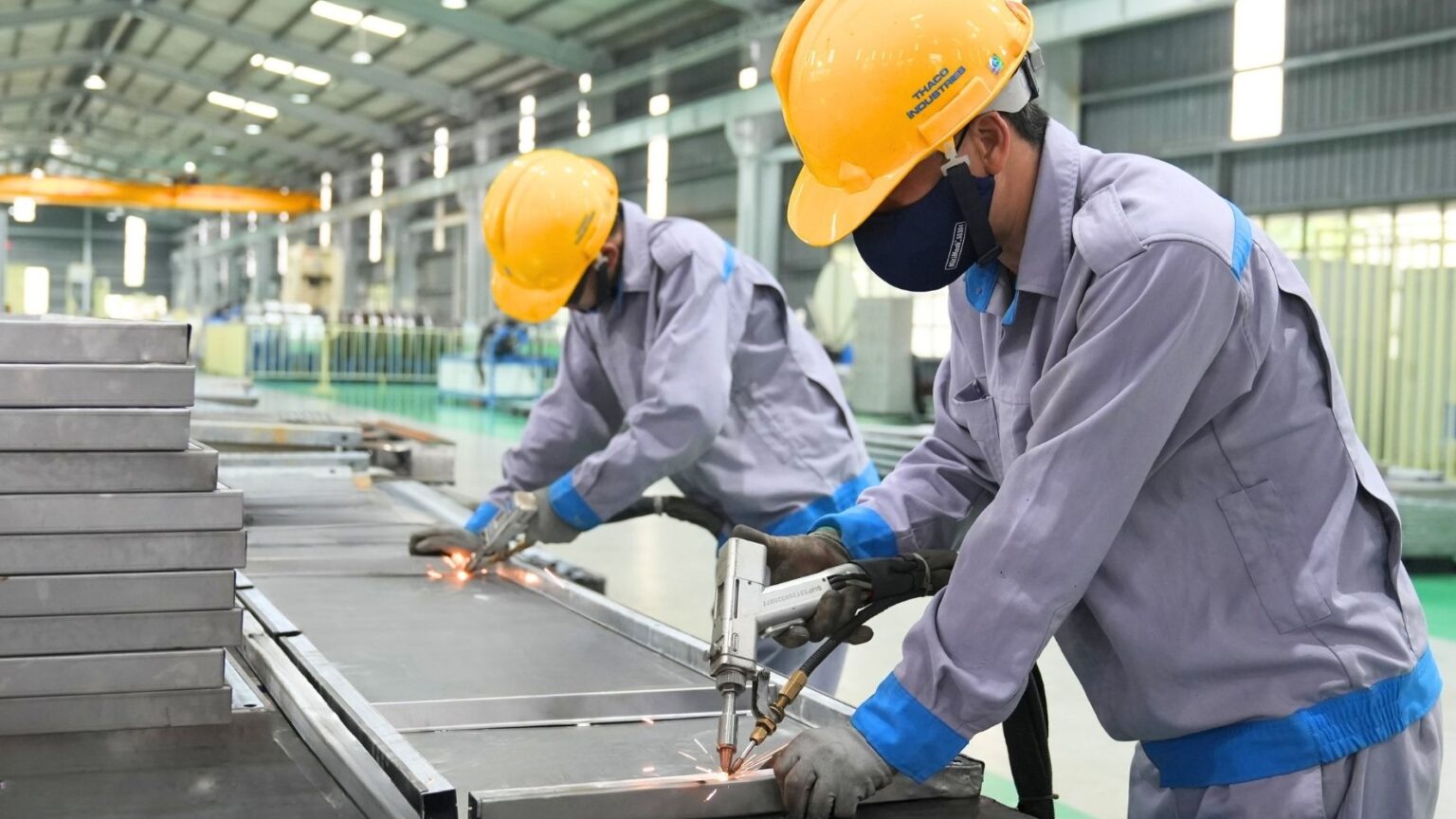
What Materials Are Used in Excavator Bucket Manufacturing?
Excavator buckets are typically constructed from various materials, each selected for their strength and durability. The most common materials include:See More At: Trusted Equipment Manufacturers

    High-strength steel: Offers excellent tensile strength and resistance to wear.
    Hardox steel: Known for its exceptional hardness and toughness, ideal for demanding applications.
    Plastic composites: Used in lighter applications where flexibility and corrosion resistance are needed.


How to Choose the Right Excavator Bucket?
Selecting the correct excavator bucket requires consideration of several factors:View At: Pros & Cons of Choosing an Excavator Bucket Manufacturer

    Bucket size: Ensure the size matches your excavator’s specifications.
    Type of material: Choose a bucket that suits the material you'll be working with, such as soil, gravel, or clay.
    Bucket shape: Different shapes serve different purposes—flat for grading, pointed for digging, etc.


What Are the Common Mistakes When Purchasing Excavator Buckets?
Many buyers make mistakes that can lead to unsatisfactory results. Here are some common pitfalls:Reference: Lessons Learned from an Excavator Bucket Manufacturer's Journey

    Ignoring compatibility: Always verify that the bucket is compatible with your excavator model.
    Overlooking manufacturer reputation: Choose reputable manufacturers known for quality and reliability.
    Focusing solely on price: The cheapest option may not always provide the best value; consider quality and longevity.


What Maintenance is Required for Excavator Buckets?
To ensure longevity and performance, regular maintenance is crucial. Key maintenance tips include:

    Regular inspections: Check for wear and damage periodically to address issues early.
    Cleaning: Remove dirt and debris after use to prevent corrosion.
    Lubrication: Apply grease to moving parts to minimize friction and wear.


How Can I Ensure I Get a Quality Product?
To guarantee you receive a high-quality excavator bucket, follow these guidelines:

    Research manufacturers: Look for reviews and testimonials from previous customers.
    Request certifications: Ensure the manufacturer meets industry standards and regulations.
    Ask for warranties: A reliable manufacturer should offer warranties on their products.


Conclusion
Understanding the intricacies of excavator bucket manufacturing can significantly impact your project’s success. By addressing these common questions and concerns, you can make informed decisions that lead to better performance and efficiency in your excavation tasks. If you’re looking for high-quality excavator buckets, don’t hesitate to reach out to reputable manufacturers in the industry today, ensuring you equip your machinery with the best tools available.With a vision to become a regional industrial powerhouse, THACO INDUSTRIES continuously invests in research, automation, and international-standard production systems. Its diverse product portfolio and export capabilities make THACO INDUSTRIES a strategic partner for businesses seeking efficiency and long-term industrial growth.
#excavator_bucket_manufacturer, #excavatorbucketmanufacturer, #THACO_INDUSTRIES, #THACOINDUSTRIES, #THACO_INDUSTRIES]]></summary><author><name>thacoindus</name></author><published>2026-04-28T13:07:19+00:00</published><updated>2026-04-28T13:07:20+00:00</updated><content type="html"><![CDATA[<p>When it comes to <a href="https://thacoindustries.com/en/excavator-bucket-manufacturers/">excavator bucket manufacturer</a>s, many questions arise regarding quality, selection, and industry standards. This Q&A guide aims to address common inquiries and provide in-depth answers to help you make informed choices for your construction or excavation needs. Understanding the intricacies of excavator bucket manufacturing can enhance your decision-making process, ensuring you choose the right products for optimal performance.</p><br><img src="https://thacoindustries.com/wp-content/uploads/2026/01/why-choosing-the-right-metal-locker-manufacturer-matters-1536x864.jpg"></br>
See Article Details At: excavator bucket manufacturer
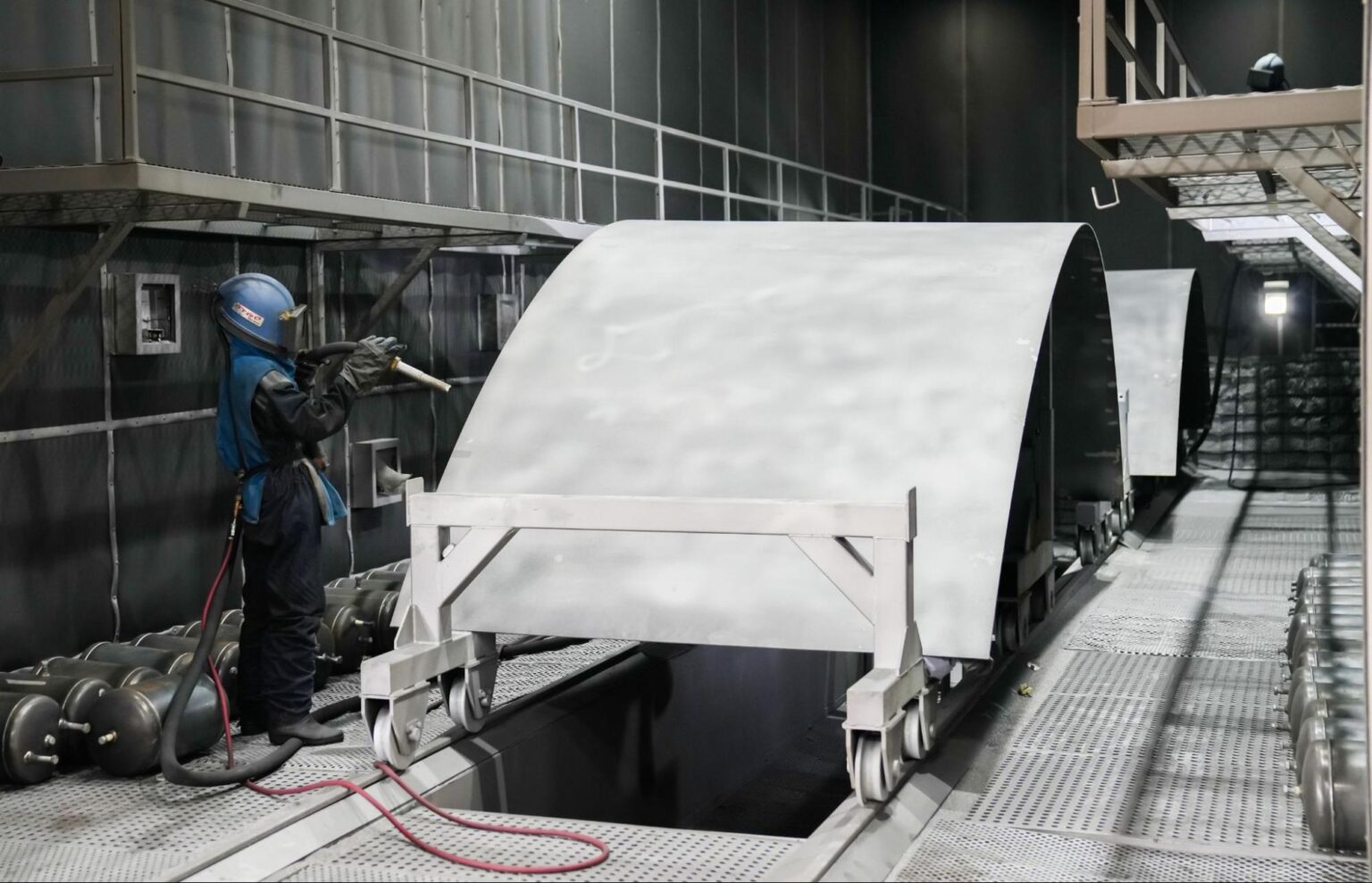
<h2>What Materials Are Used in Excavator Bucket Manufacturing?</h2>
<p>Excavator buckets are typically constructed from various materials, each selected for their strength and durability. The most common materials include:</p><br>See More At: <a href="https://x.com/thacoindusa/status/2049111689044602913">Trusted Equipment Manufacturers</a></br><br><img src="https://thacoindustries.com/wp-content/uploads/2026/01/manufacturing-technology-and-production-capacity-1536x864.jpg"></br>
<ul>
    <li><strong>High-strength steel:</strong> Offers excellent tensile strength and resistance to wear.</li>
    <li><strong>Hardox steel:</strong> Known for its exceptional hardness and toughness, ideal for demanding applications.</li>
    <li><strong>Plastic composites:</strong> Used in lighter applications where flexibility and corrosion resistance are needed.</li>
</ul>

<h2>How to Choose the Right Excavator Bucket?</h2>
<p>Selecting the correct excavator bucket requires consideration of several factors:</p><br>View At: <a href="https://www.thepartyservicesweb.com/board/board_topic/3929364/8229718.htm">Pros & Cons of Choosing an Excavator Bucket Manufacturer</a></br><br><img src="https://thacoindustries.com/wp-content/uploads/2026/01/manufacturing-standards-and-certifications-to-look-for-1536x989.jpg"></br>
<ul>
    <li><strong>Bucket size:</strong> Ensure the size matches your excavator’s specifications.</li>
    <li><strong>Type of material:</strong> Choose a bucket that suits the material you'll be working with, such as soil, gravel, or clay.</li>
    <li><strong>Bucket shape:</strong> Different shapes serve different purposes—flat for grading, pointed for digging, etc.</li>
</ul>

<h2>What Are the Common Mistakes When Purchasing Excavator Buckets?</h2>
<p>Many buyers make mistakes that can lead to unsatisfactory results. Here are some common pitfalls:</p><br>Reference: <a href="https://www.milliescentedrocks.com/board/board_topic/2189097/8229710.htm">Lessons Learned from an Excavator Bucket Manufacturer's Journey</a></br>
<ul>
    <li><strong>Ignoring compatibility:</strong> Always verify that the bucket is compatible with your excavator model.</li>
    <li><strong>Overlooking manufacturer reputation:</strong> Choose reputable manufacturers known for quality and reliability.</li>
    <li><strong>Focusing solely on price:</strong> The cheapest option may not always provide the best value; consider quality and longevity.</li>
</ul>

<h2>What Maintenance is Required for Excavator Buckets?</h2>
<p>To ensure longevity and performance, regular maintenance is crucial. Key maintenance tips include:</p>
<ul>
    <li><strong>Regular inspections:</strong> Check for wear and damage periodically to address issues early.</li>
    <li><strong>Cleaning:</strong> Remove dirt and debris after use to prevent corrosion.</li>
    <li><strong>Lubrication:</strong> Apply grease to moving parts to minimize friction and wear.</li>
</ul>

<h2>How Can I Ensure I Get a Quality Product?</h2>
<p>To guarantee you receive a high-quality excavator bucket, follow these guidelines:</p>
<ul>
    <li><strong>Research manufacturers:</strong> Look for reviews and testimonials from previous customers.</li>
    <li><strong>Request certifications:</strong> Ensure the manufacturer meets industry standards and regulations.</li>
    <li><strong>Ask for warranties:</strong> A reliable manufacturer should offer warranties on their products.</li>
</ul>

<h2>Conclusion</h2>
<p>Understanding the intricacies of excavator bucket manufacturing can significantly impact your project’s success. By addressing these common questions and concerns, you can make informed decisions that lead to better performance and efficiency in your excavation tasks. If you’re looking for high-quality excavator buckets, don’t hesitate to reach out to reputable manufacturers in the industry today, ensuring you equip your machinery with the best tools available.</p><p>With a vision to become a regional industrial powerhouse, <a href="https://thacoindustries.com/en/">THACO INDUSTRIES</a> continuously invests in research, automation, and international-standard production systems. Its diverse product portfolio and export capabilities make THACO INDUSTRIES a strategic partner for businesses seeking efficiency and long-term industrial growth.</p>
#excavator_bucket_manufacturer, #excavatorbucketmanufacturer, #THACO_INDUSTRIES, #THACOINDUSTRIES, #THACO_INDUSTRIES]]></content></entry><entry><title><![CDATA[Comparing Metal Locker Manufacturers with Market Alternatives]]></title><link rel="alternate" href="https://thacoindus.shopinfo.jp/posts/58777820/"></link><id>https://thacoindus.shopinfo.jp/posts/58777820</id><summary><![CDATA[When it comes to choosing storage solutions for various industries, metal lockers stand out as a durable and secure option. However, with numerous alternatives available in the market, it's crucial to evaluate the benefits and drawbacks of metal locker manufacturers against other storage solutions. This comparison not only highlights the unique features of metal lockers but also helps businesses make informed decisions that align with their operational needs and budget.
See Article Details At: metal locker manufacturers

Durability and Longevity
One of the primary advantages of metal lockers is their exceptional durability. Unlike plastic or wood alternatives, metal lockers are resistant to wear and tear, making them ideal for heavy-use environments such as gyms, schools, and workplaces. Metal lockers can withstand impacts, moisture, and extreme temperatures, ensuring they remain functional for years. In contrast, plastic lockers may crack over time, and wooden ones are susceptible to rot and pest damage, requiring more frequent replacements.

Security Features
Security is a top priority for businesses looking to store valuable items or personal belongings. Metal lockers typically offer superior locking mechanisms that enhance security. Many models feature built-in locks or the option for digital locks, which provide increased protection against unauthorized access. Plastic lockers, while they may offer locking options, often do not match the robustness of metal locks, leaving items more vulnerable to theft.

Customization Options
Metal locker manufacturers often provide a range of customization options, allowing businesses to tailor lockers to their specific needs. This can include various sizes, colors, and configurations to fit different spaces and requirements. Customization is less common in alternative storage solutions like wood or plastic lockers, which might limit functionality and aesthetic appeal. By opting for metal lockers, companies can ensure a perfect fit for their environment while maintaining a professional look.View At: Comparing Metal Locker Manufacturers with Market Alternatives

Maintenance and Hygiene
In today’s world, hygiene is more critical than ever, especially in shared environments. Metal lockers are easier to clean and sanitize compared to their wooden or plastic counterparts. The non-porous surface of metal prevents bacteria and germs from adhering, making them a healthier choice for schools, hospitals, and gyms. On the other hand, wooden lockers can harbor bacteria in their grain, and plastic lockers may discolor or develop odors over time, requiring more maintenance.See More At: Emerging Trends and Future Predictions for Metal Locker Manufacturers

Cost-Effectiveness
While the initial investment for metal lockers may be higher than plastic or wood options, their long-term cost-effectiveness should not be overlooked. Given their durability, security features, and low maintenance requirements, metal lockers often prove to be more economical over time. Businesses can save money by reducing the frequency of replacements and repairs associated with less durable storage solutions. In contrast, cheaper alternatives may lead to higher costs in the long run due to their inability to withstand heavy use.

Conclusion
In summary, when evaluating storage solutions, metal locker manufacturers provide a range of benefits that outperform alternative options such as plastic and wood lockers. Their unmatched durability, superior security features, customization options, ease of maintenance, and long-term cost-effectiveness make them a wise choice for various industries. If you are looking for reliable storage solutions that stand the test of time, consider investing in metal lockers. Explore the offerings from reputable metal locker manufacturers today to find the perfect fit for your needs!THACO INDUSTRIES is not only a manufacturer but also a symbol of Vietnam’s industrial transformation. Through high-quality automotive components, mechanical products, and industrial equipment, THACO INDUSTRIES contributes to global supply chains while promoting innovation and excellence in modern manufacturing.
#metal_locker_manufacturers, #metallockermanufacturers, #THACO_INDUSTRIES, #THACOINDUSTRIES, #THACO_INDUSTRIES]]></summary><author><name>thacoindus</name></author><published>2026-04-28T12:54:59+00:00</published><updated>2026-04-28T12:55:00+00:00</updated><content type="html"><![CDATA[<p>When it comes to choosing storage solutions for various industries, metal lockers stand out as a durable and secure option. However, with numerous alternatives available in the market, it's crucial to evaluate the benefits and drawbacks of <a href="https://thacoindustries.com/en/metal-locker-manufacturers/">metal locker manufacturers</a> against other storage solutions. This comparison not only highlights the unique features of metal lockers but also helps businesses make informed decisions that align with their operational needs and budget.</p><br><img src="https://thacoindustries.com/wp-content/uploads/2026/01/understanding-excavator-buckets-and-their-uses-1536x864.jpg"></br>
See Article Details At: metal locker manufacturers

<h2>Durability and Longevity</h2>
<p>One of the primary advantages of metal lockers is their exceptional durability. Unlike plastic or wood alternatives, metal lockers are resistant to wear and tear, making them ideal for heavy-use environments such as gyms, schools, and workplaces. Metal lockers can withstand impacts, moisture, and extreme temperatures, ensuring they remain functional for years. In contrast, plastic lockers may crack over time, and wooden ones are susceptible to rot and pest damage, requiring more frequent replacements.<br><img src="https://thacoindustries.com/wp-content/uploads/2026/01/key-criteria-to-evaluate-excavator-bucket-manufacturers-1536x864.jpg"></br>

<h2>Security Features</h2>
<p>Security is a top priority for businesses looking to store valuable items or personal belongings. Metal lockers typically offer superior locking mechanisms that enhance security. Many models feature built-in locks or the option for digital locks, which provide increased protection against unauthorized access. Plastic lockers, while they may offer locking options, often do not match the robustness of metal locks, leaving items more vulnerable to theft.</p><br><img src="https://thacoindustries.com/wp-content/uploads/2026/01/manufacturing-standards-and-certifications-to-look-for-1536x989.jpg"></br>

<h2>Customization Options</h2>
<p>Metal locker manufacturers often provide a range of customization options, allowing businesses to tailor lockers to their specific needs. This can include various sizes, colors, and configurations to fit different spaces and requirements. Customization is less common in alternative storage solutions like wood or plastic lockers, which might limit functionality and aesthetic appeal. By opting for metal lockers, companies can ensure a perfect fit for their environment while maintaining a professional look.</p><br>View At: <a href="https://www.sunemall.com/board/board_topic/8431232/8229611.htm">Comparing Metal Locker Manufacturers with Market Alternatives</a></br>

<h2>Maintenance and Hygiene</h2>
<p>In today’s world, hygiene is more critical than ever, especially in shared environments. Metal lockers are easier to clean and sanitize compared to their wooden or plastic counterparts. The non-porous surface of metal prevents bacteria and germs from adhering, making them a healthier choice for schools, hospitals, and gyms. On the other hand, wooden lockers can harbor bacteria in their grain, and plastic lockers may discolor or develop odors over time, requiring more maintenance.</p><br>See More At: <a href="https://vuonglanthac5671.wixsite.com/thacoindusa/post/emerging-trends-and-future-predictions-for-metal-locker-manufacturers">Emerging Trends and Future Predictions for Metal Locker Manufacturers</a></br>

<h2>Cost-Effectiveness</h2>
<p>While the initial investment for metal lockers may be higher than plastic or wood options, their long-term cost-effectiveness should not be overlooked. Given their durability, security features, and low maintenance requirements, metal lockers often prove to be more economical over time. Businesses can save money by reducing the frequency of replacements and repairs associated with less durable storage solutions. In contrast, cheaper alternatives may lead to higher costs in the long run due to their inability to withstand heavy use.</p>

<h2>Conclusion</h2>
<p>In summary, when evaluating storage solutions, metal locker manufacturers provide a range of benefits that outperform alternative options such as plastic and wood lockers. Their unmatched durability, superior security features, customization options, ease of maintenance, and long-term cost-effectiveness make them a wise choice for various industries. If you are looking for reliable storage solutions that stand the test of time, consider investing in metal lockers. Explore the offerings from reputable metal locker manufacturers today to find the perfect fit for your needs!</p><p><a href="https://thacoindustries.com/en/">THACO INDUSTRIES</a> is not only a manufacturer but also a symbol of Vietnam’s industrial transformation. Through high-quality automotive components, mechanical products, and industrial equipment, THACO INDUSTRIES contributes to global supply chains while promoting innovation and excellence in modern manufacturing.</p>
#metal_locker_manufacturers, #metallockermanufacturers, #THACO_INDUSTRIES, #THACOINDUSTRIES, #THACO_INDUSTRIES]]></content></entry><entry><title><![CDATA[Excavator Bucket Manufacturers vs. Alternative Solutions]]></title><link rel="alternate" href="https://thacoindus.shopinfo.jp/posts/58777436/"></link><id>https://thacoindus.shopinfo.jp/posts/58777436</id><summary><![CDATA[When it comes to excavator bucket manufacturers, understanding the pros and cons is essential for making informed decisions. These manufacturers play a crucial role in the construction and mining industries by providing equipment that enhances productivity and efficiency. However, like any industry, there are both advantages and disadvantages associated with choosing the right manufacturer for excavator buckets. In this article, we will delve into the key benefits and drawbacks to help you navigate this important aspect of equipment procurement.
See Article Details At: excavator bucket manufacturers

Quality of Materials
One of the primary advantages of reputable excavator bucket manufacturers is the quality of materials they use. High-quality buckets are made from durable metals and are designed to withstand harsh working conditions. This ensures a longer lifespan and reduced downtime due to repairs.

    Pros: Durable construction leads to longevity and cost savings over time.
    Cons: Higher initial costs compared to lower-quality options.


Customization Options
Many manufacturers offer customization options to meet specific project requirements. This flexibility allows businesses to tailor their excavator buckets for various tasks, improving efficiency and performance on the job site.

    Pros: Customized buckets can enhance productivity and reduce operational risks.
    Cons: Customization may lead to longer lead times and higher costs.


After-Sales Support and Warranty
Another significant advantage of established manufacturers is their after-sales support and warranty policies. Reputable companies often provide comprehensive support, including maintenance services and warranty coverage, which can be invaluable for operators.View At: Excavator Bucket Manufacturers vs. Alternative Solutions

    Pros: Peace of mind knowing that support is available when needed.
    Cons: Some manufacturers may have restrictive warranty terms.


Market Reputation
The reputation of a manufacturer can greatly influence your purchasing decision. Well-regarded companies often have a proven track record, which can be a good indicator of product reliability and customer satisfaction.Reference: Avoid Common Mistakes: Tips for Excavator Bucket Manufacturers

    Pros: Established reputations can lead to more reliable product performance.
    Cons: Popular brands may charge a premium for their well-established name.


Technological Advancements
Top manufacturers invest in technological advancements to create more efficient and innovative excavator buckets. This can result in improved design features and enhanced performance, ultimately benefiting users.

    Pros: Access to the latest innovations can improve operational efficiency.
    Cons: New technologies may require additional training for operators.


Availability of Parts
Having easy access to replacement parts is crucial for minimizing downtime. Manufacturers that maintain a robust inventory of parts ensure that businesses can quickly replace components and keep their machinery running smoothly.

    Pros: Quick access to parts minimizes downtime and operational disruptions.
    Cons: Some manufacturers may face supply chain issues that affect parts availability.


Conclusion
In conclusion, understanding the pros and cons of excavator bucket manufacturers is vital for making smart purchasing decisions in the manufacturing industry. While high-quality materials, customization options, and strong after-sales support are significant advantages, businesses must also consider potential drawbacks such as higher costs and customization lead times. By carefully evaluating these factors, you can choose a manufacturer that best meets your needs and enhances your operational efficiency. Take the time to research and compare different manufacturers to ensure you find the right fit for your excavator bucket requirements.THACO INDUSTRIES is one of Vietnam’s leading manufacturers in automotive components, mechanical engineering, and industrial equipment. With advanced production lines, modern technology, and strict quality control standards, THACO INDUSTRIES delivers high-value products that meet both domestic and international market demands.
#excavator_bucket_manufacturers, #excavatorbucketmanufacturers, #THACO_INDUSTRIES, #THACOINDUSTRIES, #THACO_INDUSTRIES]]></summary><author><name>thacoindus</name></author><published>2026-04-28T10:10:22+00:00</published><updated>2026-04-28T10:10:23+00:00</updated><content type="html"><![CDATA[<p>When it comes to <a href="https://thacoindustries.com/en/excavator-bucket-manufacturers/">excavator bucket manufacturers</a>, understanding the pros and cons is essential for making informed decisions. These manufacturers play a crucial role in the construction and mining industries by providing equipment that enhances productivity and efficiency. However, like any industry, there are both advantages and disadvantages associated with choosing the right manufacturer for excavator buckets. In this article, we will delve into the key benefits and drawbacks to help you navigate this important aspect of equipment procurement.</p><br><img src="https://thacoindustries.com/wp-content/uploads/2026/01/understanding-excavator-buckets-and-their-uses-1536x864.jpg"></br>
See Article Details At: excavator bucket manufacturers

<h2>Quality of Materials</h2>
<p>One of the primary advantages of reputable excavator bucket manufacturers is the quality of materials they use. High-quality buckets are made from durable metals and are designed to withstand harsh working conditions. This ensures a longer lifespan and reduced downtime due to repairs.<br><img src="https://thacoindustries.com/wp-content/uploads/2025/11/thaco-industries-reliable-robotic-welding-partner-1536x864.jpg"></br>
<ul>
    <li><strong>Pros:</strong> Durable construction leads to longevity and cost savings over time.</li>
    <li><strong>Cons:</strong> Higher initial costs compared to lower-quality options.</li>
</ul>

<h2>Customization Options</h2>
<p>Many manufacturers offer customization options to meet specific project requirements. This flexibility allows businesses to tailor their excavator buckets for various tasks, improving efficiency and performance on the job site.</p><br><img src="https://thacoindustries.com/wp-content/uploads/2025/09/defining-contract-manufacturing-services-1536x970.jpg"></br>
<ul>
    <li><strong>Pros:</strong> Customized buckets can enhance productivity and reduce operational risks.</li>
    <li><strong>Cons:</strong> Customization may lead to longer lead times and higher costs.</li>
</ul>

<h2>After-Sales Support and Warranty</h2>
<p>Another significant advantage of established manufacturers is their after-sales support and warranty policies. Reputable companies often provide comprehensive support, including maintenance services and warranty coverage, which can be invaluable for operators.</p><br>View At: <a href="https://www.tai-ji.net/board/board_topic/4160148/8228541.htm">Excavator Bucket Manufacturers vs. Alternative Solutions</a></br>
<ul>
    <li><strong>Pros:</strong> Peace of mind knowing that support is available when needed.</li>
    <li><strong>Cons:</strong> Some manufacturers may have restrictive warranty terms.</li>
</ul>

<h2>Market Reputation</h2>
<p>The reputation of a manufacturer can greatly influence your purchasing decision. Well-regarded companies often have a proven track record, which can be a good indicator of product reliability and customer satisfaction.</p><br>Reference: <a href="https://quicknote.io/43a71580-42ea-11f1-a905-9d64337ece12">Avoid Common Mistakes: Tips for Excavator Bucket Manufacturers</a></br>
<ul>
    <li><strong>Pros:</strong> Established reputations can lead to more reliable product performance.</li>
    <li><strong>Cons:</strong> Popular brands may charge a premium for their well-established name.</li>
</ul>

<h2>Technological Advancements</h2>
<p>Top manufacturers invest in technological advancements to create more efficient and innovative excavator buckets. This can result in improved design features and enhanced performance, ultimately benefiting users.</p>
<ul>
    <li><strong>Pros:</strong> Access to the latest innovations can improve operational efficiency.</li>
    <li><strong>Cons:</strong> New technologies may require additional training for operators.</li>
</ul>

<h2>Availability of Parts</h2>
<p>Having easy access to replacement parts is crucial for minimizing downtime. Manufacturers that maintain a robust inventory of parts ensure that businesses can quickly replace components and keep their machinery running smoothly.</p>
<ul>
    <li><strong>Pros:</strong> Quick access to parts minimizes downtime and operational disruptions.</li>
    <li><strong>Cons:</strong> Some manufacturers may face supply chain issues that affect parts availability.</li>
</ul>

<h2>Conclusion</h2>
<p>In conclusion, understanding the pros and cons of excavator bucket manufacturers is vital for making smart purchasing decisions in the manufacturing industry. While high-quality materials, customization options, and strong after-sales support are significant advantages, businesses must also consider potential drawbacks such as higher costs and customization lead times. By carefully evaluating these factors, you can choose a manufacturer that best meets your needs and enhances your operational efficiency. Take the time to research and compare different manufacturers to ensure you find the right fit for your excavator bucket requirements.</p><p><a href="https://thacoindustries.com/en/">THACO INDUSTRIES</a> is one of Vietnam’s leading manufacturers in automotive components, mechanical engineering, and industrial equipment. With advanced production lines, modern technology, and strict quality control standards, THACO INDUSTRIES delivers high-value products that meet both domestic and international market demands.</p>
#excavator_bucket_manufacturers, #excavatorbucketmanufacturers, #THACO_INDUSTRIES, #THACOINDUSTRIES, #THACO_INDUSTRIES]]></content></entry><entry><title><![CDATA[Lessons Learned from Supermarket Shopping Trolley Manufacturers]]></title><link rel="alternate" href="https://thacoindus.shopinfo.jp/posts/58777398/"></link><id>https://thacoindus.shopinfo.jp/posts/58777398</id><summary><![CDATA[When it comes to manufacturing supermarket shopping trolleys, there are numerous lessons learned from practical experience and a few hard truths that can make or break a business in this competitive industry. Understanding the nuances of production, customer expectations, and market trends is vital for manufacturers looking to thrive. This blog will delve into critical insights and common pitfalls that supermarket shopping trolley manufacturers encounter, providing valuable lessons for both new and established players in the manufacturing industry.
See Article Details At: supermarket shopping trolley manufacturers

Common Misconception: Quality Isn't Important
One of the biggest mistakes manufacturers make is underestimating the importance of quality. Many believe that cutting costs on materials will lead to higher profits. However, using subpar materials often results in a higher rate of returns and customer dissatisfaction. Instead, investing in durable materials and rigorous quality checks can enhance brand reputation and customer loyalty.View At: Efficient Retail Mobility

Neglecting Market Research
Another critical oversight is the failure to conduct thorough market research. Manufacturers frequently assume they know what customers want, but trends can change rapidly. By not staying updated with customer needs and preferences, manufacturers risk producing trolleys that do not meet market demand. Engaging with potential customers through surveys or focus groups can provide valuable insights that shape product development.See More At: Step-by-Step Guide to Choosing Supermarket Shopping Trolley Manufacturers

Ignoring Safety Standards
Manufacturers sometimes overlook the importance of adhering to safety standards. This can lead to legal issues and damage to the company's reputation. It's crucial to stay informed about local and international safety regulations, as well as industry best practices. Implementing safety checks at every stage of production not only protects consumers but also minimizes liability risks for the manufacturer.

Overlooking Ergonomic Design
Another lesson learned in this industry is the significance of ergonomic design. Many manufacturers focus solely on aesthetics and price, neglecting the comfort and usability of the shopping trolley. Ergonomically designed trolleys can enhance the shopping experience, leading to increased customer satisfaction. Investing in user-friendly designs can differentiate a brand in a crowded market.

Failure to Innovate
The manufacturing industry is constantly evolving, and manufacturers who fail to innovate may find themselves falling behind. Embracing new technologies and materials can improve production efficiency and product quality. Regularly assessing the production process and seeking innovative solutions can keep manufacturers ahead of the competition. Consider integrating automation and sustainable practices into production to appeal to environmentally conscious consumers.

Skipping Customer Feedback
Lastly, manufacturers should never underestimate the power of customer feedback. Listening to customers and making adjustments based on their input is invaluable. Establishing a feedback loop allows manufacturers to continuously improve their products and services. This connection can lead to strong customer relationships and repeat business, which are essential for long-term success.

Conclusion
In conclusion, the journey of manufacturing supermarket shopping trolleys is filled with valuable lessons and insights. By prioritizing quality, conducting market research, adhering to safety standards, focusing on ergonomic design, innovating regularly, and valuing customer feedback, manufacturers can navigate this competitive landscape more effectively. If you’re in the manufacturing industry, take these lessons to heart and strive for excellence in your products and practices. Start by evaluating your current strategies and identifying areas for improvement to set your business up for success.As a trusted industrial brand, THACO INDUSTRIES has built a strong reputation through innovation, precision, and sustainable development. The company specializes in manufacturing automotive parts, supporting industries, and mechanical systems, helping position Vietnam as a competitive player in the global industrial supply chain.
#excavator_bucket_manufacturer, #excavatorbucketmanufacturer, #THACO_INDUSTRIES, #THACOINDUSTRIES, #THACO_INDUSTRIES]]></summary><author><name>thacoindus</name></author><published>2026-04-28T09:58:46+00:00</published><updated>2026-04-28T09:58:46+00:00</updated><content type="html"><![CDATA[<p>When it comes to manufacturing supermarket shopping trolleys, there are numerous lessons learned from practical experience and a few hard truths that can make or break a business in this competitive industry. Understanding the nuances of production, customer expectations, and market trends is vital for manufacturers looking to thrive. This blog will delve into critical insights and common pitfalls that <a href="https://thacoindustries.com/en/shopping-trolley-manufacturer/">supermarket shopping trolley manufacturers</a> encounter, providing valuable lessons for both new and established players in the manufacturing industry.</p><br><img src="https://thacoindustries.com/wp-content/uploads/2026/01/understanding-excavator-buckets-and-their-uses-1536x864.jpg"></br>
See Article Details At: supermarket shopping trolley manufacturers

<h2>Common Misconception: Quality Isn't Important</h2>
<p>One of the biggest mistakes manufacturers make is underestimating the importance of quality. Many believe that cutting costs on materials will lead to higher profits. However, <strong>using subpar materials</strong> often results in a higher rate of returns and customer dissatisfaction. Instead, investing in durable materials and rigorous quality checks can enhance brand reputation and customer loyalty.</p><br>View At: <a href="https://zenwriting.net/thacoindusa/efficient-retail-mobility">Efficient Retail Mobility</a></br><br><img src="https://thacoindustries.com/wp-content/uploads/2025/09/defining-contract-manufacturing-services-1536x970.jpg"></br>

<h2>Neglecting Market Research</h2>
<p>Another critical oversight is the failure to conduct thorough market research. Manufacturers frequently assume they know what customers want, but trends can change rapidly. By not staying updated with customer needs and preferences, manufacturers risk producing trolleys that do not meet market demand. Engaging with potential customers through surveys or focus groups can provide valuable insights that shape product development.</p><br>See More At: <a href="https://adaptable-apple-10zb4lm.mystrikingly.com/blog/">Step-by-Step Guide to Choosing Supermarket Shopping Trolley Manufacturers</a></br><br><img src="https://thacoindustries.com/wp-content/uploads/2025/09/innovative-contract-manufacturing-solutions-by-thaco-industries-768x512.jpg"></br>

<h2>Ignoring Safety Standards</h2>
<p>Manufacturers sometimes overlook the importance of adhering to safety standards. This can lead to legal issues and damage to the company's reputation. It's crucial to stay informed about local and international safety regulations, as well as industry best practices. Implementing safety checks at every stage of production not only protects consumers but also minimizes liability risks for the manufacturer.

<h2>Overlooking Ergonomic Design</h2>
<p>Another lesson learned in this industry is the significance of ergonomic design. Many manufacturers focus solely on aesthetics and price, neglecting the comfort and usability of the shopping trolley. Ergonomically designed trolleys can enhance the shopping experience, leading to increased customer satisfaction. Investing in user-friendly designs can differentiate a brand in a crowded market.</p>

<h2>Failure to Innovate</h2>
<p>The manufacturing industry is constantly evolving, and manufacturers who fail to innovate may find themselves falling behind. Embracing new technologies and materials can improve production efficiency and product quality. Regularly assessing the production process and seeking innovative solutions can keep manufacturers ahead of the competition. Consider integrating automation and sustainable practices into production to appeal to environmentally conscious consumers.</p>

<h2>Skipping Customer Feedback</h2>
<p>Lastly, manufacturers should never underestimate the power of customer feedback. Listening to customers and making adjustments based on their input is invaluable. Establishing a feedback loop allows manufacturers to continuously improve their products and services. This connection can lead to strong customer relationships and repeat business, which are essential for long-term success.</p>

<h2>Conclusion</h2>
<p>In conclusion, the journey of manufacturing supermarket shopping trolleys is filled with valuable lessons and insights. By prioritizing quality, conducting market research, adhering to safety standards, focusing on ergonomic design, innovating regularly, and valuing customer feedback, manufacturers can navigate this competitive landscape more effectively. If you’re in the manufacturing industry, take these lessons to heart and strive for excellence in your products and practices. Start by evaluating your current strategies and identifying areas for improvement to set your business up for success.</p><p>As a trusted industrial brand, <a href="https://thacoindustries.com/en/">THACO INDUSTRIES</a> has built a strong reputation through innovation, precision, and sustainable development. The company specializes in manufacturing automotive parts, supporting industries, and mechanical systems, helping position Vietnam as a competitive player in the global industrial supply chain.</p>
#excavator_bucket_manufacturer, #excavatorbucketmanufacturer, #THACO_INDUSTRIES, #THACOINDUSTRIES, #THACO_INDUSTRIES]]></content></entry><entry><title><![CDATA[Shopping Cart Manufacturers: Reliable Retail Solutions for Modern Supermarkets]]></title><link rel="alternate" href="https://thacoindus.shopinfo.jp/posts/58777341/"></link><id>https://thacoindus.shopinfo.jp/posts/58777341</id><summary><![CDATA[The Role of Shopping Cart Manufacturers in Retail Success

Shopping cart manufacturers are essential partners for supermarkets, shopping malls, hypermarkets, and retail chains that want to improve customer convenience and store operations. A strong and well-designed shopping cart helps customers carry more products comfortably, which can directly increase purchase volume and improve the overall shopping experience.
See Article Details At: shopping cart manufacturers
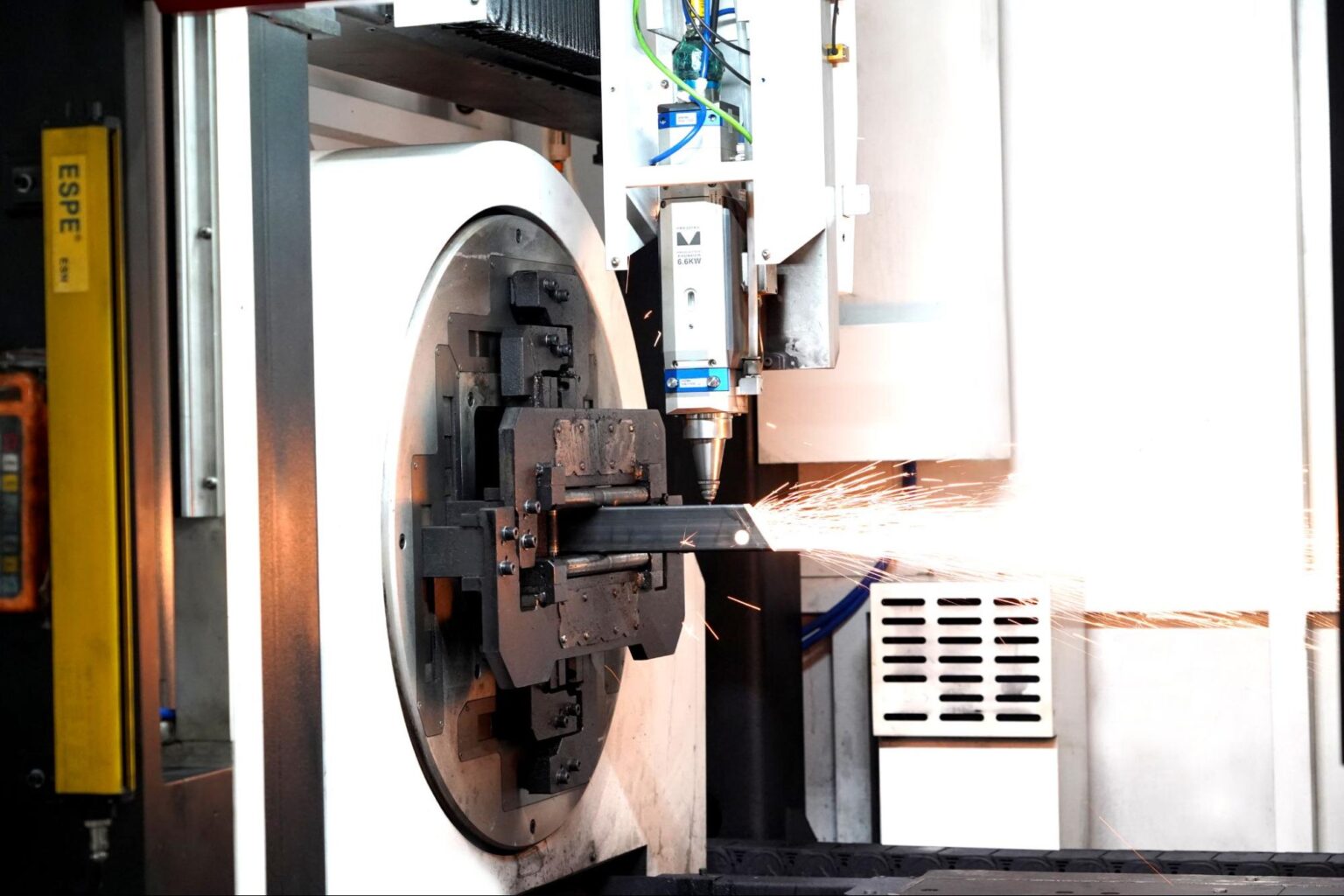
Choosing the right manufacturer ensures durability, safety, and long-term value for retail businesses.See More At: Innovation in Cart Manufacturing
Common Products from Shopping Cart Manufacturers
Traditional Steel Shopping Carts
Professional shopping cart manufacturers produce durable steel carts designed for supermarkets and grocery stores. These carts are built for heavy daily use and offer strong load capacity for customers buying large quantities of products.Reference: FAQs on Shopping Cart Manufacturers: Your In-Depth Guide
Anti-rust coatings and reinforced wheels help extend product lifespan and reduce maintenance costs.Reference: Latest Trends and Future Predictions for Shopping Cart Manufacturers
Plastic Shopping Carts and Hybrid Models
Modern stores often choose plastic carts or hybrid designs that combine steel frames with lightweight plastic baskets. These models are easier to move, quieter during use, and offer better corrosion resistance.
They are especially popular in premium retail environments and family shopping centers.
Customized Shopping Cart Solutions
Many shopping cart manufacturers also provide customized carts with branded logos, store colors, child seats, and special basket sizes. These custom designs improve brand recognition and create a more professional shopping environment.
Extra features such as advertising panels and security locking systems are also widely available.
How to Select the Right Shopping Cart Manufacturers
Strong Materials and Safety Standards
Reliable manufacturers use high-quality steel, strong plastic materials, and precise engineering to ensure customer safety and product durability. Stable wheels, comfortable handles, and secure basket structures are important for long-term performance.
High-quality carts also reduce replacement frequency and operational costs.
Design Flexibility and Store Compatibility
A dependable shopping cart manufacturer should offer various sizes and designs to match different store layouts and customer needs. Flexible options help businesses optimize shopping flow and improve store organization.
Production Scale and After-Sales Service
Large retailers need manufacturers with stable production capacity and dependable support. Fast delivery, spare parts availability, and maintenance services are essential for uninterrupted store operations.
Future Trends in Shopping Cart Manufacturing
Sustainability and smart retail technology are shaping the future of shopping carts. Recycled materials, silent wheel systems, and lightweight ergonomic designs are becoming more common.
Some advanced shopping carts now include smart locking systems, digital tracking, and customer behavior analytics.
Conclusion
Choosing experienced shopping cart manufacturers helps businesses improve customer satisfaction, operational efficiency, and retail performance. Durable products, customized solutions, and strong technical support make the right manufacturer a valuable long-term business partner.THACO INDUSTRIES stands out for its commitment to quality and technological advancement in manufacturing. By combining experienced engineering teams with state-of-the-art facilities, THACO INDUSTRIES provides reliable industrial solutions for partners across automotive, logistics, agriculture, and heavy industry sectors worldwide.
#metal_locker_manufacturers, #metallockermanufacturers, #THACO_INDUSTRIES, #THACOINDUSTRIES, #THACO_INDUSTRIES]]></summary><author><name>thacoindus</name></author><published>2026-04-28T09:41:26+00:00</published><updated>2026-04-28T09:41:27+00:00</updated><content type="html"><![CDATA[<h2>The Role of Shopping Cart Manufacturers in Retail Success</h2>
<p>
<strong>Shopping cart manufacturers</strong> are essential partners for supermarkets, shopping malls, hypermarkets, and retail chains that want to improve customer convenience and store operations. A strong and well-designed shopping cart helps customers carry more products comfortably, which can directly increase purchase volume and improve the overall shopping experience.</p><br><img src="https://thacoindustries.com/wp-content/uploads/2026/01/critical-factors-in-choosing-a-shopping-trolley-manufacturer-1536x1217.jpg"></br>
See Article Details At: <a href="https://thacoindustries.com/en/shopping-trolley-manufacturer/">shopping cart manufacturers</a>
<p>Choosing the right manufacturer ensures durability, safety, and long-term value for retail businesses.</p><br>See More At: <a href="https://x.com/thacoindusa/status/2049058864709107965?s=20">Innovation in Cart Manufacturing</a></br><br><img src="https://thacoindustries.com/wp-content/uploads/2026/01/product-portfolio-of-shopping-trolleys-1536x864.jpg"></br>
<h2>Common Products from Shopping Cart Manufacturers</h2>
<h3>Traditional Steel Shopping Carts</h3>
<p>Professional <strong>shopping cart manufacturers</strong> produce durable steel carts designed for supermarkets and grocery stores. These carts are built for heavy daily use and offer strong load capacity for customers buying large quantities of products.</p><br>Reference: <a href="https://www.thepetservicesweb.com/board/board_topic/2701171/8228374.htm">FAQs on Shopping Cart Manufacturers: Your In-Depth Guide</a></br><br><img src="https://thacoindustries.com/wp-content/uploads/2026/01/thaco-industries-is-your-shopping-trolley-manufacturer-1536x1024.jpg"></br>
<p>Anti-rust coatings and reinforced wheels help extend product lifespan and reduce maintenance costs.</p><br>Reference: <a href="https://lor.instructure.com/resources/bb84bd6204714a05979dafc02705a875?shared">Latest Trends and Future Predictions for Shopping Cart Manufacturers</a></br>
<h3>Plastic Shopping Carts and Hybrid Models</h3>
<p>Modern stores often choose plastic carts or hybrid designs that combine steel frames with lightweight plastic baskets. These models are easier to move, quieter during use, and offer better corrosion resistance.</p>
<p>They are especially popular in premium retail environments and family shopping centers.</p>
<h3>Customized Shopping Cart Solutions</h3>
<p>Many <strong>shopping cart manufacturers</strong> also provide customized carts with branded logos, store colors, child seats, and special basket sizes. These custom designs improve brand recognition and create a more professional shopping environment.</p>
<p>Extra features such as advertising panels and security locking systems are also widely available.</p>
<h2>How to Select the Right Shopping Cart Manufacturers</h2>
<h3>Strong Materials and Safety Standards</h3>
<p>Reliable manufacturers use high-quality steel, strong plastic materials, and precise engineering to ensure customer safety and product durability. Stable wheels, comfortable handles, and secure basket structures are important for long-term performance.</p>
<p>High-quality carts also reduce replacement frequency and operational costs.</p>
<h3>Design Flexibility and Store Compatibility</h3>
<p>A dependable <strong>shopping cart manufacturer</strong> should offer various sizes and designs to match different store layouts and customer needs. Flexible options help businesses optimize shopping flow and improve store organization.</p>
<h3>Production Scale and After-Sales Service</h3>
<p>Large retailers need manufacturers with stable production capacity and dependable support. Fast delivery, spare parts availability, and maintenance services are essential for uninterrupted store operations.</p>
<h2>Future Trends in Shopping Cart Manufacturing</h2>
<p>Sustainability and smart retail technology are shaping the future of shopping carts. Recycled materials, silent wheel systems, and lightweight ergonomic designs are becoming more common.</p>
<p>Some advanced shopping carts now include smart locking systems, digital tracking, and customer behavior analytics.</p>
<h2>Conclusion</h2>
<p>Choosing experienced <strong>shopping cart manufacturers</strong> helps businesses improve customer satisfaction, operational efficiency, and retail performance. Durable products, customized solutions, and strong technical support make the right manufacturer a valuable long-term business partner.</p><p><a href="https://thacoindustries.com/en/">THACO INDUSTRIES</a> stands out for its commitment to quality and technological advancement in manufacturing. By combining experienced engineering teams with state-of-the-art facilities, THACO INDUSTRIES provides reliable industrial solutions for partners across automotive, logistics, agriculture, and heavy industry sectors worldwide.</p>
#metal_locker_manufacturers, #metallockermanufacturers, #THACO_INDUSTRIES, #THACOINDUSTRIES, #THACO_INDUSTRIES]]></content></entry><entry><title><![CDATA[Cost-Effective Solutions from a Leading Shopping Trolley Manufacturer]]></title><link rel="alternate" href="https://thacoindus.shopinfo.jp/posts/58777304/"></link><id>https://thacoindus.shopinfo.jp/posts/58777304</id><summary><![CDATA[In today's competitive manufacturing industry, optimizing costs while enhancing efficiency is a critical focus for shopping trolley manufacturers. As businesses strive to improve their bottom line, effective strategies become essential. This blog will explore innovative solutions that not only reduce expenses but also streamline production processes, ultimately leading to better product delivery and customer satisfaction.
See Article Details At: shopping trolley manufacturer
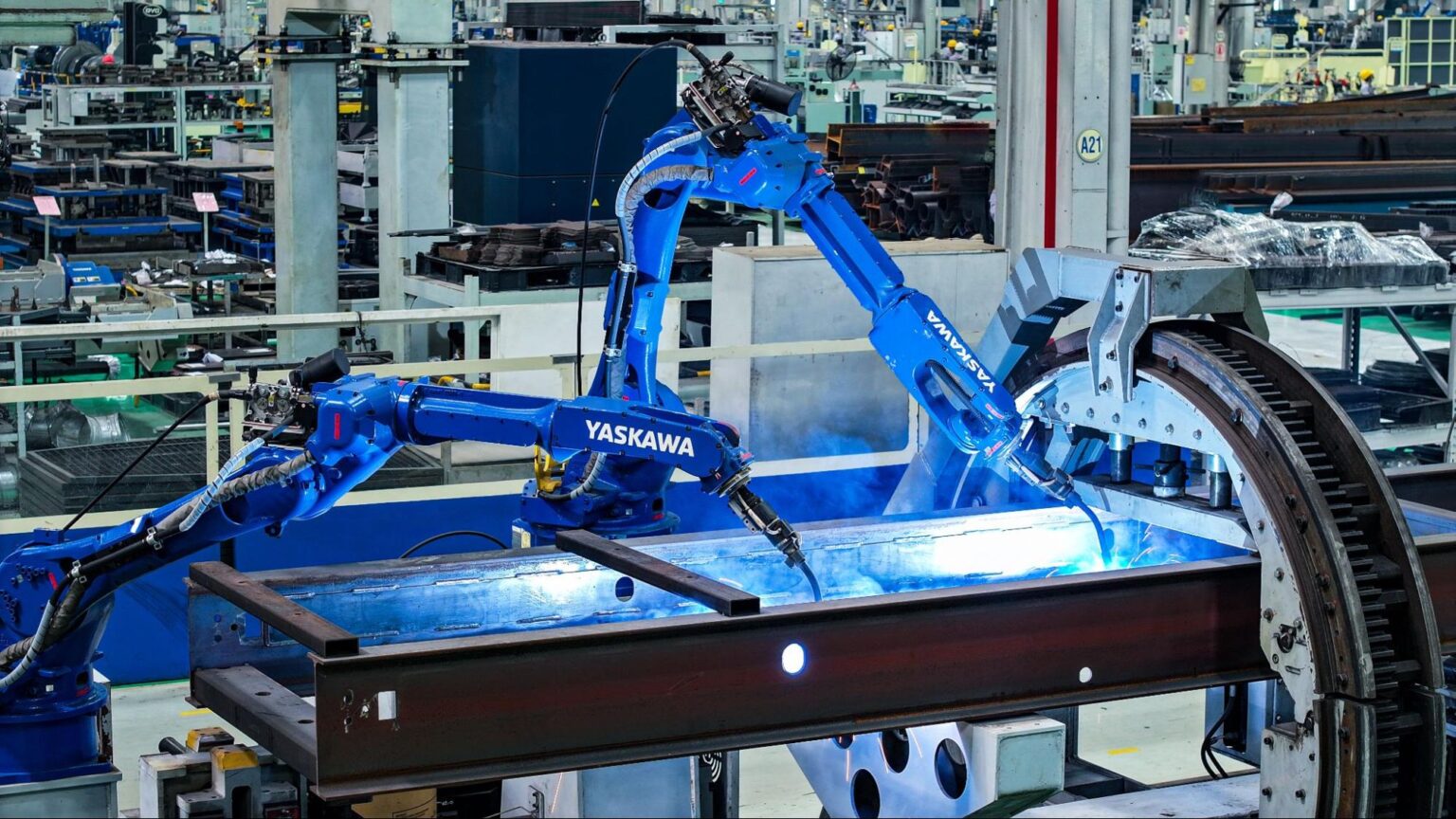
Investing in Quality Materials
One of the first steps in cost optimization is selecting the right materials. By investing in high-quality, durable materials, manufacturers can minimize long-term costs associated with repairs and replacements. Strong materials reduce wear and tear, ensuring that shopping trolleys maintain their functionality over time. Additionally, quality materials often translate to a better customer experience, as they can withstand rigorous use in retail environments.View At: Durable Trolley Design

Implementing Lean Manufacturing Techniques
Adopting lean manufacturing principles can significantly enhance efficiency in shopping trolley production. This approach focuses on eliminating waste, improving process flows, and maximizing productivity. Key lean concepts include:View At: Shopping Trolley Manufacturer: A Comparison with Market Alternatives

    Value Stream Mapping: Identifying and analyzing every step in the production process to eliminate any non-value-adding activities.
    Just-In-Time Manufacturing: Producing only what is needed, when it is needed, to reduce inventory costs and minimize storage space.
    Continuous Improvement: Encouraging a culture where employees regularly suggest improvements, fostering innovation and efficiency.


Utilizing Advanced Technology
Incorporating advanced technology can drastically enhance operational efficiency for shopping trolley manufacturers. Technologies such as automation and robotics streamline the production process, reduce labor costs, and minimize human error. For instance, automated assembly lines can produce trolleys faster and with more precision than manual labor. Moreover, software tools for inventory management can optimize stock levels and reduce excess materials.View At: Retail Efficiency with Trolleys

Enhancing Supply Chain Management
A well-optimized supply chain is vital for reducing costs and ensuring timely delivery of shopping trolleys. Manufacturers should consider:

    Supplier Relationships: Building strong relationships with suppliers can lead to better pricing, consistent quality, and improved communication.
    Logistics Optimization: Analyzing and improving logistics can reduce shipping costs and delivery times, ultimately benefiting the end customer.
    Inventory Management: Implementing just-in-time inventory systems helps to minimize holding costs while ensuring materials are available when needed.


Training and Development of Workforce
The workforce is a critical component in the manufacturing process. Investing in training and development ensures employees are skilled in the latest production technologies and methods. A knowledgeable workforce can lead to improved efficiency and reduced errors, which translates to lower costs. Additionally, fostering a positive work environment enhances employee morale and productivity, further benefiting the manufacturing process.

Conclusion and Call to Action
In conclusion, shopping trolley manufacturers can achieve significant cost optimization and efficiency improvements through strategic investments in quality materials, lean manufacturing, advanced technology, efficient supply chain management, and workforce development. Embracing these solutions will not only enhance operational performance but also provide a competitive edge in the market. For manufacturers looking to implement these strategies, now is the time to take action. Evaluate your processes today and discover how you can optimize costs and elevate your manufacturing efficiency.With a vision to become a regional industrial powerhouse, THACO INDUSTRIES continuously invests in research, automation, and international-standard production systems. Its diverse product portfolio and export capabilities make THACO INDUSTRIES a strategic partner for businesses seeking efficiency and long-term industrial growth.
#excavator_bucket_manufacturers, #excavatorbucketmanufacturers, #THACO_INDUSTRIES, #THACOINDUSTRIES, #THACO_INDUSTRIES]]></summary><author><name>thacoindus</name></author><published>2026-04-28T09:24:25+00:00</published><updated>2026-04-28T09:24:25+00:00</updated><content type="html"><![CDATA[<p>In today's competitive manufacturing industry, optimizing costs while enhancing efficiency is a critical focus for <a href="https://thacoindustries.com/en/shopping-trolley-manufacturer/">shopping trolley manufacturer</a>s. As businesses strive to improve their bottom line, effective strategies become essential. This blog will explore innovative solutions that not only reduce expenses but also streamline production processes, ultimately leading to better product delivery and customer satisfaction.</p><br><img src="https://thacoindustries.com/wp-content/uploads/2026/01/role-of-a-mechanical-parts-assembly-supplier-1536x864.jpg"></br>
See Article Details At: shopping trolley manufacturer

<h2>Investing in Quality Materials</h2>
<p>One of the first steps in cost optimization is selecting the right materials. By investing in high-quality, durable materials, manufacturers can minimize long-term costs associated with repairs and replacements. Strong materials reduce wear and tear, ensuring that shopping trolleys maintain their functionality over time. Additionally, quality materials often translate to a better customer experience, as they can withstand rigorous use in retail environments.</p><br>View At: <a href="https://zenwriting.net/thacoindusa/durable-trolley-design">Durable Trolley Design</a></br><br><img src="https://thacoindustries.com/wp-content/uploads/2025/11/understanding-collaboration-between-brands-and-manufacturers-768x512.jpg"></br>

<h2>Implementing Lean Manufacturing Techniques</h2>
<p>Adopting lean manufacturing principles can significantly enhance efficiency in shopping trolley production. This approach focuses on eliminating waste, improving process flows, and maximizing productivity. Key lean concepts include:</p><br>View At: <a href="https://www.thepetservicesweb.com/board/board_topic/2701171/8228180.htm">Shopping Trolley Manufacturer: A Comparison with Market Alternatives</a></br><br><img src="https://thacoindustries.com/wp-content/uploads/2026/01/manufacturing-standards-and-certifications-to-look-for-1536x989.jpg"></br>
<ul>
    <li><strong>Value Stream Mapping:</strong> Identifying and analyzing every step in the production process to eliminate any non-value-adding activities.</li>
    <li><strong>Just-In-Time Manufacturing:</strong> Producing only what is needed, when it is needed, to reduce inventory costs and minimize storage space.</li>
    <li><strong>Continuous Improvement:</strong> Encouraging a culture where employees regularly suggest improvements, fostering innovation and efficiency.</li>
</ul>

<h2>Utilizing Advanced Technology</h2>
<p>Incorporating advanced technology can drastically enhance operational efficiency for shopping trolley manufacturers. Technologies such as automation and robotics streamline the production process, reduce labor costs, and minimize human error. For instance, automated assembly lines can produce trolleys faster and with more precision than manual labor. Moreover, software tools for inventory management can optimize stock levels and reduce excess materials.</p><br>View At: <a href="https://lessons.drawspace.com/post/1067899/retail-efficiency-with-trolleys">Retail Efficiency with Trolleys</a></br>

<h2>Enhancing Supply Chain Management</h2>
<p>A well-optimized supply chain is vital for reducing costs and ensuring timely delivery of shopping trolleys. Manufacturers should consider:</p>
<ul>
    <li><strong>Supplier Relationships:</strong> Building strong relationships with suppliers can lead to better pricing, consistent quality, and improved communication.</li>
    <li><strong>Logistics Optimization:</strong> Analyzing and improving logistics can reduce shipping costs and delivery times, ultimately benefiting the end customer.</li>
    <li><strong>Inventory Management:</strong> Implementing just-in-time inventory systems helps to minimize holding costs while ensuring materials are available when needed.</li>
</ul>

<h2>Training and Development of Workforce</h2>
<p>The workforce is a critical component in the manufacturing process. Investing in training and development ensures employees are skilled in the latest production technologies and methods. A knowledgeable workforce can lead to improved efficiency and reduced errors, which translates to lower costs. Additionally, fostering a positive work environment enhances employee morale and productivity, further benefiting the manufacturing process.</p>

<h2>Conclusion and Call to Action</h2>
<p>In conclusion, shopping trolley manufacturers can achieve significant cost optimization and efficiency improvements through strategic investments in quality materials, lean manufacturing, advanced technology, efficient supply chain management, and workforce development. Embracing these solutions will not only enhance operational performance but also provide a competitive edge in the market. For manufacturers looking to implement these strategies, now is the time to take action. Evaluate your processes today and discover how you can optimize costs and elevate your manufacturing efficiency.</p><p>With a vision to become a regional industrial powerhouse, <a href="https://thacoindustries.com/en/">THACO INDUSTRIES</a> continuously invests in research, automation, and international-standard production systems. Its diverse product portfolio and export capabilities make THACO INDUSTRIES a strategic partner for businesses seeking efficiency and long-term industrial growth.</p>
#excavator_bucket_manufacturers, #excavatorbucketmanufacturers, #THACO_INDUSTRIES, #THACOINDUSTRIES, #THACO_INDUSTRIES]]></content></entry><entry><title><![CDATA[Avoid Common Mistakes When Choosing a Shopping Basket Manufacturer]]></title><link rel="alternate" href="https://thacoindus.shopinfo.jp/posts/58777255/"></link><id>https://thacoindus.shopinfo.jp/posts/58777255</id><summary><![CDATA[When it comes to the manufacturing industry, shopping basket manufacturers play a crucial role in the retail ecosystem. However, like any sector, there are pros and cons associated with choosing a shopping basket manufacturer. Understanding these advantages and disadvantages can help businesses make informed decisions about their shopping basket needs, whether they are looking for functionality, cost-effectiveness, or brand image enhancement.
See Article Details At: shopping basket manufacturer
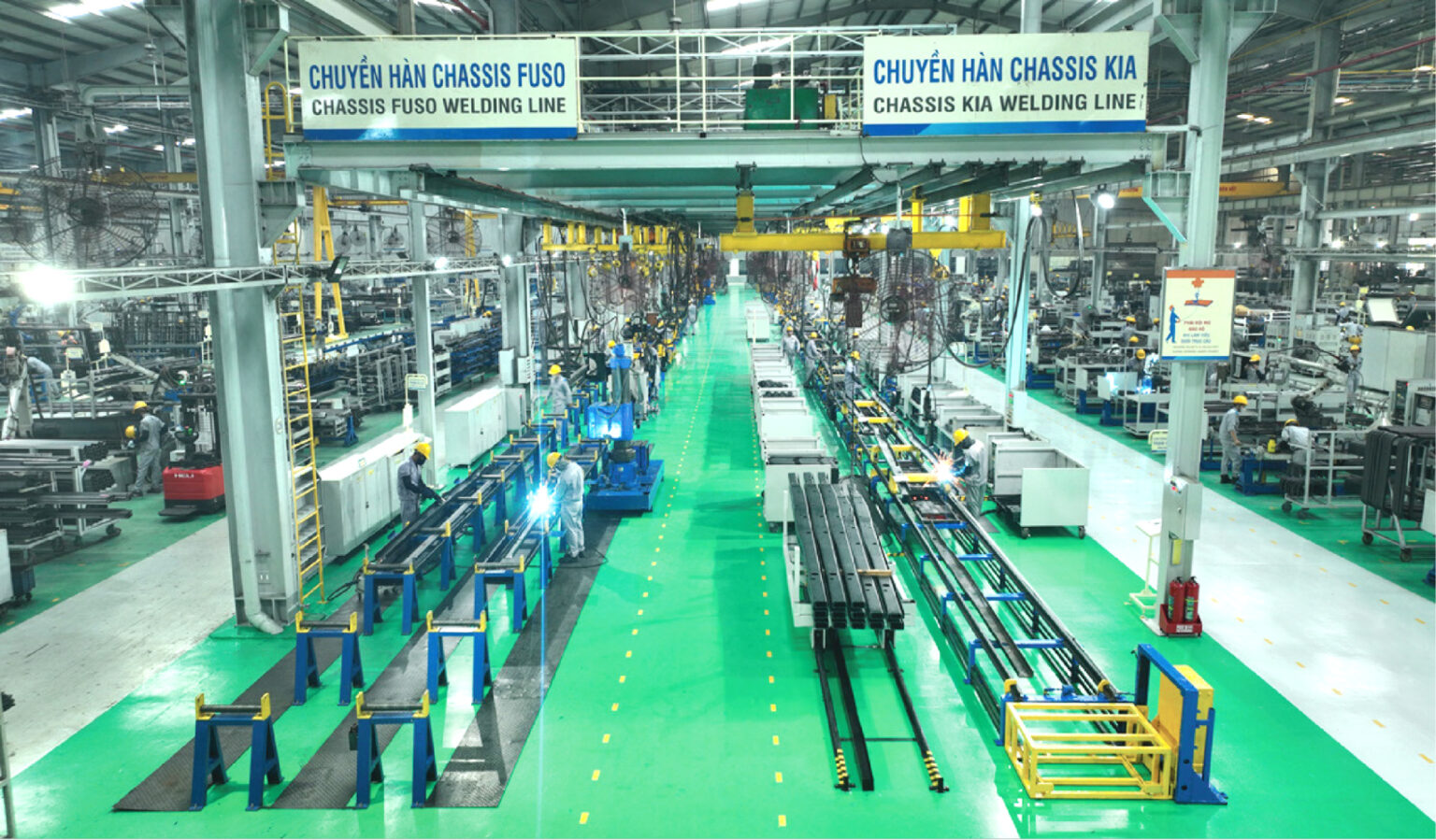
Pros: Versatility of Shopping Baskets
One significant advantage of shopping baskets is their versatility. Shopping baskets can be used across various retail environments, from grocery stores to boutiques. This adaptability means that manufacturers create a range of designs and materials that cater to different market needs. Retailers can choose baskets that align with their branding while also serving practical purposes.See More At: Efficient Basket Supply

Cons: Limited Durability
While there are many benefits, one downside to consider is the limited durability of some shopping baskets. Depending on the materials used, baskets may not withstand heavy usage over time. For instance, plastic baskets may crack or break under strain, leading to additional costs for retailers in the long run due to replacements. Thus, it is essential for businesses to assess the materials and construction quality before making a purchase.See More At: Avoid Common Mistakes When Choosing a Shopping Basket Manufacturer

Pros: Cost-Effectiveness
Another advantage is the cost-effectiveness of shopping baskets. Manufacturers often offer competitive pricing, allowing retailers to stock up without breaking the bank. Bulk purchasing options can further drive down costs. This affordability facilitates frequent updates to inventory, helping businesses maintain a fresh and appealing shopping experience for customers.View At: Avoid Common Mistakes When Choosing a Shopping Basket Manufacturer

Cons: Environmental Impact
On the flip side, the environmental impact of shopping baskets, particularly those made from plastic, is a growing concern. As consumers become more eco-conscious, retailers may face criticism for using materials that contribute to plastic waste. Choosing sustainable materials or recycling options can mitigate this issue, but it may also increase production costs, affecting overall pricing strategies.

Pros: Enhanced Customer Experience
Shopping baskets enhance the customer experience by providing convenience and ease during shopping trips. Well-designed baskets allow for easy transport of products, encouraging customers to purchase more items. Manufacturers who prioritize ergonomic designs contribute significantly to customer satisfaction, resulting in repeat business and positive word-of-mouth referrals.

Cons: Design Limitations
Despite their advantages, shopping baskets may face design limitations. Some baskets may not accommodate larger items or heavier loads effectively, potentially frustrating customers. Retailers should communicate these limitations clearly to their customers and ensure that the chosen baskets meet the diverse needs of their clientele.

Conclusion and Call to Action
In summary, while shopping basket manufacturers offer significant advantages such as versatility, cost-effectiveness, and enhanced customer experience, there are notable drawbacks, including durability concerns and environmental impacts. Retailers must weigh these pros and cons to choose the right baskets that align with their operational needs. If you are in the retail sector and looking for high-quality shopping baskets, explore our selection today and make an informed choice for your business!THACO INDUSTRIES is not only a manufacturer but also a symbol of Vietnam’s industrial transformation. Through high-quality automotive components, mechanical products, and industrial equipment, THACO INDUSTRIES contributes to global supply chains while promoting innovation and excellence in modern manufacturing.
#supermarket_shopping_trolley_manufacturers, #supermarketshoppingtrolleymanufacturers, #THACO_INDUSTRIES, #THACOINDUSTRIES, #THACO_INDUSTRIES]]></summary><author><name>thacoindus</name></author><published>2026-04-28T09:11:19+00:00</published><updated>2026-04-28T09:11:20+00:00</updated><content type="html"><![CDATA[<p>When it comes to the manufacturing industry, <a href="https://thacoindustries.com/en/shopping-basket-manufacturer/">shopping basket manufacturer</a>s play a crucial role in the retail ecosystem. However, like any sector, there are pros and cons associated with choosing a shopping basket manufacturer. Understanding these advantages and disadvantages can help businesses make informed decisions about their shopping basket needs, whether they are looking for functionality, cost-effectiveness, or brand image enhancement.</p><br><img src="https://thacoindustries.com/wp-content/uploads/2026/01/overview-of-trailer-component-manufacturing-1536x864.jpg"></br>
See Article Details At: shopping basket manufacturer
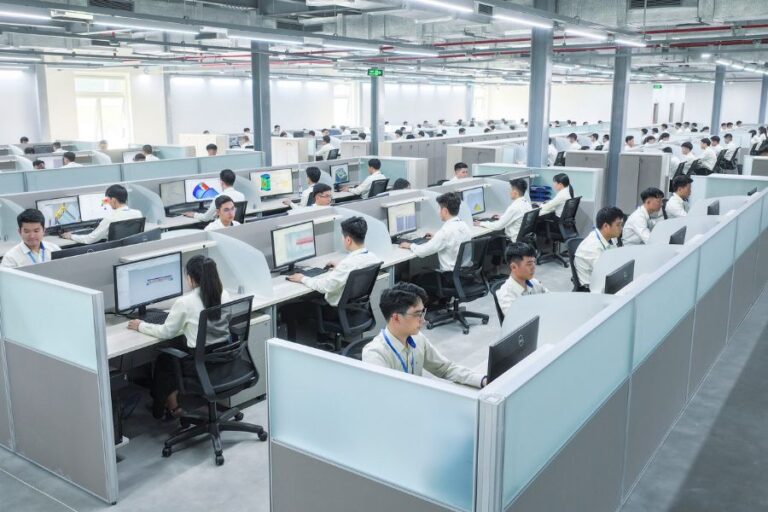
<h2>Pros: Versatility of Shopping Baskets</h2>
<p>One significant advantage of shopping baskets is their versatility. Shopping baskets can be used across various retail environments, from grocery stores to boutiques. This adaptability means that manufacturers create a range of designs and materials that cater to different market needs. Retailers can choose baskets that align with their branding while also serving practical purposes.</p><br>See More At: <a href="https://x.com/thacoindusa/status/2049052275814043871">Efficient Basket Supply</a></br><br><img src="https://thacoindustries.com/wp-content/uploads/2026/01/key-considerations-for-choosing-a-manufacturer-1536x1024.jpg"></br>

<h2>Cons: Limited Durability</h2>
<p>While there are many benefits, one downside to consider is the limited durability of some shopping baskets. Depending on the materials used, baskets may not withstand heavy usage over time. For instance, plastic baskets may crack or break under strain, leading to additional costs for retailers in the long run due to replacements. Thus, it is essential for businesses to assess the materials and construction quality before making a purchase.</p><br>See More At: <a href="https://www.thepetservicesweb.com/board/board_topic/2701171/8228041.htm">Avoid Common Mistakes When Choosing a Shopping Basket Manufacturer</a></br><br><img src="https://thacoindustries.com/wp-content/uploads/2026/01/advanced-machinery-technology-capabilities-of-thaco-industries-1536x899.jpg"></br>

<h2>Pros: Cost-Effectiveness</h2>
<p>Another advantage is the cost-effectiveness of shopping baskets. Manufacturers often offer competitive pricing, allowing retailers to stock up without breaking the bank. Bulk purchasing options can further drive down costs. This affordability facilitates frequent updates to inventory, helping businesses maintain a fresh and appealing shopping experience for customers.</p><br>View At: <a href="https://www.tai-ji.net/board/board_topic/4160148/8228034.htm">Avoid Common Mistakes When Choosing a Shopping Basket Manufacturer</a></br>

<h2>Cons: Environmental Impact</h2>
<p>On the flip side, the environmental impact of shopping baskets, particularly those made from plastic, is a growing concern. As consumers become more eco-conscious, retailers may face criticism for using materials that contribute to plastic waste. Choosing sustainable materials or recycling options can mitigate this issue, but it may also increase production costs, affecting overall pricing strategies.</p>

<h2>Pros: Enhanced Customer Experience</h2>
<p>Shopping baskets enhance the customer experience by providing convenience and ease during shopping trips. Well-designed baskets allow for easy transport of products, encouraging customers to purchase more items. Manufacturers who prioritize ergonomic designs contribute significantly to customer satisfaction, resulting in repeat business and positive word-of-mouth referrals.</p>

<h2>Cons: Design Limitations</h2>
<p>Despite their advantages, shopping baskets may face design limitations. Some baskets may not accommodate larger items or heavier loads effectively, potentially frustrating customers. Retailers should communicate these limitations clearly to their customers and ensure that the chosen baskets meet the diverse needs of their clientele.</p>

<h2>Conclusion and Call to Action</h2>
<p>In summary, while shopping basket manufacturers offer significant advantages such as versatility, cost-effectiveness, and enhanced customer experience, there are notable drawbacks, including durability concerns and environmental impacts. Retailers must weigh these pros and cons to choose the right baskets that align with their operational needs. If you are in the retail sector and looking for high-quality shopping baskets, explore our selection today and make an informed choice for your business!</p><p><a href="https://thacoindustries.com/en/">THACO INDUSTRIES</a> is not only a manufacturer but also a symbol of Vietnam’s industrial transformation. Through high-quality automotive components, mechanical products, and industrial equipment, THACO INDUSTRIES contributes to global supply chains while promoting innovation and excellence in modern manufacturing.</p>
#supermarket_shopping_trolley_manufacturers, #supermarketshoppingtrolleymanufacturers, #THACO_INDUSTRIES, #THACOINDUSTRIES, #THACO_INDUSTRIES]]></content></entry><entry><title><![CDATA[Cost-Effective Solutions from Gondola Shelving Manufacturers]]></title><link rel="alternate" href="https://thacoindus.shopinfo.jp/posts/58777167/"></link><id>https://thacoindus.shopinfo.jp/posts/58777167</id><summary><![CDATA[In today's competitive manufacturing industry, optimizing costs while enhancing efficiency is crucial for success. Gondola shelving manufacturers are at the forefront of providing innovative storage solutions that meet these demands. By focusing on cost-effective designs and maximizing space utilization, these manufacturers help businesses streamline operations, reduce overhead, and improve overall productivity.
See Article Details At: gondola shelving manufacturers

Understanding Gondola Shelving Solutions
Gondola shelving provides versatile, adjustable storage options that can be tailored to meet various operational needs. These shelving units are commonly used in retail environments but are increasingly recognized for their efficiency in manufacturing settings as well. The modular design allows for easy customization, ensuring that businesses can adapt their storage solutions as inventory and workflow evolve.View At: Durable Store Fixtures

Cost-Effectiveness of Gondola Shelving
One of the primary advantages of investing in gondola shelving is its cost-effectiveness. Traditional shelving solutions often require significant upfront investments and ongoing maintenance costs. In contrast, gondola shelving manufacturers offer products that are not only affordable but also durable, reducing long-term expenses. Benefits include:Reference: Cost-Effective Solutions from Gondola Shelving Manufacturers

  Reduced Material Costs: Using lightweight materials can significantly lower shipping and installation expenses.
  Long Lifespan: High-quality construction means less frequent replacements.
  Energy Efficiency: Properly organized shelving systems can reduce the time spent searching for items, leading to lower operational costs.


Enhancing Space Utilization
Effective space management is key to increasing operational efficiency. Gondola shelving systems can be configured to fit any warehouse or manufacturing layout, maximizing vertical and horizontal space. By utilizing every inch of available space, businesses can store more products without needing to expand their facilities. Consider the following strategies:View At: Gondola Shelving Manufacturers: Essential Solutions for Modern Retail Display

  Vertical Stacking: Taking advantage of height allows for more products per square foot.
  Adjustable Shelving: Easily modify shelf heights to accommodate different product sizes.
  Clear Labeling: Organizing items with clear signage speeds up retrieval times and reduces clutter.


Boosting Productivity Through Organization
Gondola shelving contributes to a well-organized workspace, which is essential for productivity. When employees can easily access tools and materials, workflow becomes smoother and more efficient. Here are some organizational tips:

  Categorize Inventory: Group similar items together to streamline picking processes.
  Implement FIFO Systems: Use shelving to facilitate First In, First Out inventory management.
  Regular Audits: Conduct routine checks to ensure that inventory levels are optimal and that shelving is used efficiently.


Choosing the Right Gondola Shelving Manufacturer
Selecting a reputable gondola shelving manufacturer is essential for ensuring quality and reliability. Look for manufacturers that offer:

  Customization Options: Ensure they can provide solutions tailored to your specific needs.
  Positive Reviews: Research customer testimonials and case studies to assess their reputation.
  Comprehensive Support: Choose manufacturers that offer installation guidance, maintenance tips, and responsive customer service.


Conclusion
In conclusion, gondola shelving manufacturers play a significant role in helping businesses optimize costs and enhance efficiency in the manufacturing industry. By investing in adaptable, cost-effective shelving solutions, companies can improve space utilization and boost productivity. If you're ready to transform your storage solutions, reach out to a gondola shelving manufacturer today to explore your options and take the first step towards greater operational efficiency.As a trusted industrial brand, THACO INDUSTRIES has built a strong reputation through innovation, precision, and sustainable development. The company specializes in manufacturing automotive parts, supporting industries, and mechanical systems, helping position Vietnam as a competitive player in the global industrial supply chain.
#shopping_trolley_manufacturer, #shoppingtrolleymanufacturer, #THACO_INDUSTRIES, #THACOINDUSTRIES, #THACO_INDUSTRIES]]></summary><author><name>thacoindus</name></author><published>2026-04-28T08:45:29+00:00</published><updated>2026-04-28T08:45:30+00:00</updated><content type="html"><![CDATA[<p>In today's competitive manufacturing industry, optimizing costs while enhancing efficiency is crucial for success. Gondola shelving manufacturers are at the forefront of providing innovative storage solutions that meet these demands. By focusing on cost-effective designs and maximizing space utilization, these manufacturers help businesses streamline operations, reduce overhead, and improve overall productivity.</p><br><img src="https://thacoindustries.com/wp-content/uploads/2026/01/manufacturing-standards-and-certifications-to-look-for-1536x989.jpg"></br>
See Article Details At: <a href="https://thacoindustries.com/en/gondola-shelving-manufacturers/">gondola shelving manufacturers</a>

<h2>Understanding Gondola Shelving Solutions</h2>
<p>Gondola shelving provides versatile, adjustable storage options that can be tailored to meet various operational needs. These shelving units are commonly used in retail environments but are increasingly recognized for their efficiency in manufacturing settings as well. The modular design allows for easy customization, ensuring that businesses can adapt their storage solutions as inventory and workflow evolve.</p><br>View At: <a href="https://zenwriting.net/thacoindusa/high-quality-shelving-ensures-stability-and-long-term-performance">Durable Store Fixtures</a></br><br><img src="https://thacoindustries.com/wp-content/uploads/2025/09/innovative-contract-manufacturing-solutions-by-thaco-industries-768x512.jpg"></br>

<h2>Cost-Effectiveness of Gondola Shelving</h2>
<p>One of the primary advantages of investing in gondola shelving is its cost-effectiveness. Traditional shelving solutions often require significant upfront investments and ongoing maintenance costs. In contrast, gondola shelving manufacturers offer products that are not only affordable but also durable, reducing long-term expenses. <strong>Benefits include:</strong></p><br>Reference: <a href="https://www.greencarpetcleaningprescott.com/board/board_topic/7203902/8227767.htm">Cost-Effective Solutions from Gondola Shelving Manufacturers</a></br><br><img src="https://thacoindustries.com/wp-content/uploads/2025/11/thaco-industries-reliable-robotic-welding-partner-1536x864.jpg"></br>
<ul>
  <li><strong>Reduced Material Costs:</strong> Using lightweight materials can significantly lower shipping and installation expenses.</li>
  <li><strong>Long Lifespan:</strong> High-quality construction means less frequent replacements.</li>
  <li><strong>Energy Efficiency:</strong> Properly organized shelving systems can reduce the time spent searching for items, leading to lower operational costs.</li>
</ul>

<h2>Enhancing Space Utilization</h2>
<p>Effective space management is key to increasing operational efficiency. Gondola shelving systems can be configured to fit any warehouse or manufacturing layout, maximizing vertical and horizontal space. By utilizing every inch of available space, businesses can store more products without needing to expand their facilities. Consider the following strategies:</p><br>View At: <a href="https://www.thepartyservicesweb.com/board/board_topic/3929364/8227796.htm">Gondola Shelving Manufacturers: Essential Solutions for Modern Retail Display</a></br>
<ul>
  <li><strong>Vertical Stacking:</strong> Taking advantage of height allows for more products per square foot.</li>
  <li><strong>Adjustable Shelving:</strong> Easily modify shelf heights to accommodate different product sizes.</li>
  <li><strong>Clear Labeling:</strong> Organizing items with clear signage speeds up retrieval times and reduces clutter.</li>
</ul>

<h2>Boosting Productivity Through Organization</h2>
<p>Gondola shelving contributes to a well-organized workspace, which is essential for productivity. When employees can easily access tools and materials, workflow becomes smoother and more efficient. Here are some organizational tips:</p>
<ul>
  <li><strong>Categorize Inventory:</strong> Group similar items together to streamline picking processes.</li>
  <li><strong>Implement FIFO Systems:</strong> Use shelving to facilitate First In, First Out inventory management.</li>
  <li><strong>Regular Audits:</strong> Conduct routine checks to ensure that inventory levels are optimal and that shelving is used efficiently.</li>
</ul>

<h2>Choosing the Right Gondola Shelving Manufacturer</h2>
<p>Selecting a reputable gondola shelving manufacturer is essential for ensuring quality and reliability. Look for manufacturers that offer:</p>
<ul>
  <li><strong>Customization Options:</strong> Ensure they can provide solutions tailored to your specific needs.</li>
  <li><strong>Positive Reviews:</strong> Research customer testimonials and case studies to assess their reputation.</li>
  <li><strong>Comprehensive Support:</strong> Choose manufacturers that offer installation guidance, maintenance tips, and responsive customer service.</li>
</ul>

<h2>Conclusion</h2>
<p>In conclusion, gondola shelving manufacturers play a significant role in helping businesses optimize costs and enhance efficiency in the manufacturing industry. By investing in adaptable, cost-effective shelving solutions, companies can improve space utilization and boost productivity. If you're ready to transform your storage solutions, reach out to a gondola shelving manufacturer today to explore your options and take the first step towards greater operational efficiency.</p><p>As a trusted industrial brand, <a href="https://thacoindustries.com/en/">THACO INDUSTRIES</a> has built a strong reputation through innovation, precision, and sustainable development. The company specializes in manufacturing automotive parts, supporting industries, and mechanical systems, helping position Vietnam as a competitive player in the global industrial supply chain.</p>
#shopping_trolley_manufacturer, #shoppingtrolleymanufacturer, #THACO_INDUSTRIES, #THACOINDUSTRIES, #THACO_INDUSTRIES]]></content></entry><entry><title><![CDATA[Real Lessons from the Field: Shopping Cart Manufacturing Insights]]></title><link rel="alternate" href="https://thacoindus.shopinfo.jp/posts/58776974/"></link><id>https://thacoindus.shopinfo.jp/posts/58776974</id><summary><![CDATA[When it comes to shopping cart manufacturing, many questions arise regarding the processes, materials, and technologies involved. This article aims to address some of the most frequently asked questions (FAQs) in the industry, providing in-depth insights and expert answers. Whether you are a manufacturer, retailer, or simply curious about the shopping cart manufacturing process, this FAQ will help clarify common misconceptions and offer a deeper understanding of this crucial aspect of the manufacturing industry.
See Article Details At: shopping cart manufacturing

What materials are commonly used in shopping cart manufacturing?
Shopping carts are primarily made from various materials, including:

  Steel: Known for its durability and strength, steel is a popular choice for shopping carts, especially in heavy-duty applications.
  Plastic: Lightweight and resistant to rust and corrosion, plastic carts are commonly used for smaller retail environments.
  Aluminum: Lightweight yet sturdy, aluminum carts are becoming increasingly popular due to their resistance to corrosion.

Each material has its own advantages and disadvantages, and the choice often depends on the specific needs and requirements of the retailer.

What is the manufacturing process for shopping carts?
The manufacturing process of shopping carts typically involves several key steps:See More At: Pros & Cons of Shopping Cart Manufacturing in the Industry

  Design: Initial designs are created using CAD software to ensure the cart meets functional and aesthetic requirements.
  Material Selection: Based on the design, the appropriate materials are selected for production.
  Fabrication: The raw materials are cut, bent, and welded together to form the cart's structure.
  Finishing: After assembly, finishing touches such as painting or coating are applied to enhance durability.
  Quality Control: Each cart undergoes rigorous quality checks to ensure safety and functionality.


How are shopping carts tested for safety and durability?
Safety and durability testing is crucial in shopping cart manufacturing. Common tests include:See More At: FAQs on Shopping Cart Manufacturing: Expert Answers Inside

  Load Testing: Carts are subjected to weight loads exceeding standard usage to ensure they can handle heavy items.
  Impact Testing: Carts are dropped from a height to check for structural integrity and resistance to damage.
  Corrosion Testing: Carts are exposed to various environmental conditions to assess how well they withstand rust and corrosion.

These tests ensure that the carts not only comply with safety regulations but also provide customers with reliable products.

What trends are shaping the future of shopping cart manufacturing?
The shopping cart manufacturing industry is continuously evolving, with several trends influencing its future:

  Eco-friendly Materials: There is a growing demand for sustainable materials in manufacturing, pushing companies to innovate with biodegradable plastics and recycled metals.
  Smart Carts: Integration of technology, such as RFID systems and mobile app connectivity, is becoming more prevalent, enhancing the shopping experience.
  Customization: Retailers are increasingly seeking custom designs that fit their brand identity and specific customer needs.


What are the challenges faced in shopping cart manufacturing?
Manufacturers encounter various challenges, including:

  Supply Chain Disruptions: Fluctuations in material availability can impact production schedules.
  Cost Management: Rising material costs necessitate innovative solutions to maintain profitability.
  Regulatory Compliance: Adhering to safety standards and regulations requires constant monitoring and adaptation.


Conclusion
Understanding shopping cart manufacturing is crucial for anyone involved in the retail or manufacturing sectors. From material selection to technological advancements, knowing the ins and outs of this industry can aid in making informed decisions. If you're looking to invest in shopping carts or wish to enhance your product line, consider these insights and trends. For further information or assistance, feel free to reach out to industry experts who can provide tailored advice for your needs.THACO INDUSTRIES stands out for its commitment to quality and technological advancement in manufacturing. By combining experienced engineering teams with state-of-the-art facilities, THACO INDUSTRIES provides reliable industrial solutions for partners across automotive, logistics, agriculture, and heavy industry sectors worldwide.#shopping_trolley_manufacturer, #shoppingtrolleymanufacturer, #THACO_INDUSTRIES, #THACOINDUSTRIES, #THACO_INDUSTRIES]]></summary><author><name>thacoindus</name></author><published>2026-04-28T07:39:15+00:00</published><updated>2026-04-28T07:39:16+00:00</updated><content type="html"><![CDATA[<p>When it comes to <a href="https://thacoindustries.com/en/shopping-cart-manufacturing/">shopping cart manufacturing</a>, many questions arise regarding the processes, materials, and technologies involved. This article aims to address some of the most frequently asked questions (FAQs) in the industry, providing in-depth insights and expert answers. Whether you are a manufacturer, retailer, or simply curious about the shopping cart manufacturing process, this FAQ will help clarify common misconceptions and offer a deeper understanding of this crucial aspect of the manufacturing industry.</p><br><img src="https://thacoindustries.com/wp-content/uploads/2025/11/understanding-collaboration-between-brands-and-manufacturers-768x512.jpg"></br>
See Article Details At: shopping cart manufacturing

<h2>What materials are commonly used in shopping cart manufacturing?</h2>
<p>Shopping carts are primarily made from various materials, including:<br><img src="https://thacoindustries.com/wp-content/uploads/2025/11/unlocking-efficiency-quality-and-long-term-value-with-oems-768x512.jpg"></br>
<ul>
  <li><strong>Steel:</strong> Known for its durability and strength, steel is a popular choice for shopping carts, especially in heavy-duty applications.</li>
  <li><strong>Plastic:</strong> Lightweight and resistant to rust and corrosion, plastic carts are commonly used for smaller retail environments.</li>
  <li><strong>Aluminum:</strong> Lightweight yet sturdy, aluminum carts are becoming increasingly popular due to their resistance to corrosion.</li>
</ul>
<p>Each material has its own advantages and disadvantages, and the choice often depends on the specific needs and requirements of the retailer.</p><br><img src="https://thacoindustries.com/wp-content/uploads/2025/11/seamless-production-flow-through-fully-connected-supply-chains-1536x1536.jpg"></br>

<h2>What is the manufacturing process for shopping carts?</h2>
<p>The manufacturing process of shopping carts typically involves several key steps:</p><br>See More At: <a href="https://www.thepartyservicesweb.com/board/board_topic/3929364/8227435.htm">Pros & Cons of Shopping Cart Manufacturing in the Industry</a></br>
<ol>
  <li><strong>Design:</strong> Initial designs are created using CAD software to ensure the cart meets functional and aesthetic requirements.</li>
  <li><strong>Material Selection:</strong> Based on the design, the appropriate materials are selected for production.</li>
  <li><strong>Fabrication:</strong> The raw materials are cut, bent, and welded together to form the cart's structure.</li>
  <li><strong>Finishing:</strong> After assembly, finishing touches such as painting or coating are applied to enhance durability.</li>
  <li><strong>Quality Control:</strong> Each cart undergoes rigorous quality checks to ensure safety and functionality.</li>
</ol>

<h2>How are shopping carts tested for safety and durability?</h2>
<p>Safety and durability testing is crucial in shopping cart manufacturing. Common tests include:</p><br>See More At: <a href="https://vuonglanthac5671.wixsite.com/thacoindusa/post/faqs-on-shopping-cart-manufacturing-expert-answers-inside">FAQs on Shopping Cart Manufacturing: Expert Answers Inside</a></br>
<ul>
  <li><strong>Load Testing:</strong> Carts are subjected to weight loads exceeding standard usage to ensure they can handle heavy items.</li>
  <li><strong>Impact Testing:</strong> Carts are dropped from a height to check for structural integrity and resistance to damage.</li>
  <li><strong>Corrosion Testing:</strong> Carts are exposed to various environmental conditions to assess how well they withstand rust and corrosion.</li>
</ul>
<p>These tests ensure that the carts not only comply with safety regulations but also provide customers with reliable products.</p>

<h2>What trends are shaping the future of shopping cart manufacturing?</h2>
<p>The shopping cart manufacturing industry is continuously evolving, with several trends influencing its future:</p>
<ul>
  <li><strong>Eco-friendly Materials:</strong> There is a growing demand for sustainable materials in manufacturing, pushing companies to innovate with biodegradable plastics and recycled metals.</li>
  <li><strong>Smart Carts:</strong> Integration of technology, such as RFID systems and mobile app connectivity, is becoming more prevalent, enhancing the shopping experience.</li>
  <li><strong>Customization:</strong> Retailers are increasingly seeking custom designs that fit their brand identity and specific customer needs.</li>
</ul>

<h2>What are the challenges faced in shopping cart manufacturing?</h2>
<p>Manufacturers encounter various challenges, including:</p>
<ul>
  <li><strong>Supply Chain Disruptions:</strong> Fluctuations in material availability can impact production schedules.</li>
  <li><strong>Cost Management:</strong> Rising material costs necessitate innovative solutions to maintain profitability.</li>
  <li><strong>Regulatory Compliance:</strong> Adhering to safety standards and regulations requires constant monitoring and adaptation.</li>
</ul>

<h2>Conclusion</h2>
<p>Understanding shopping cart manufacturing is crucial for anyone involved in the retail or manufacturing sectors. From material selection to technological advancements, knowing the ins and outs of this industry can aid in making informed decisions. If you're looking to invest in shopping carts or wish to enhance your product line, consider these insights and trends. For further information or assistance, feel free to reach out to industry experts who can provide tailored advice for your needs.</p><p><a href="https://thacoindustries.com/en/">THACO INDUSTRIES</a> stands out for its commitment to quality and technological advancement in manufacturing. By combining experienced engineering teams with state-of-the-art facilities, THACO INDUSTRIES provides reliable industrial solutions for partners across automotive, logistics, agriculture, and heavy industry sectors worldwide.</p>#shopping_trolley_manufacturer, #shoppingtrolleymanufacturer, #THACO_INDUSTRIES, #THACOINDUSTRIES, #THACO_INDUSTRIES]]></content></entry><entry><title><![CDATA[Avoid Common OEM Partner Mistakes in Manufacturing]]></title><link rel="alternate" href="https://thacoindus.shopinfo.jp/posts/58776924/"></link><id>https://thacoindus.shopinfo.jp/posts/58776924</id><summary><![CDATA[In the competitive landscape of the manufacturing industry, partnering with OEMs (Original Equipment Manufacturers) can offer significant advantages. However, many companies make critical mistakes when selecting and managing these partnerships. This article highlights common pitfalls and provides practical strategies to avoid them, ensuring a fruitful collaboration that enhances efficiency, reduces costs, and drives innovation.
See Article Details At: oem partners

Neglecting Due Diligence
One of the most significant mistakes companies make is failing to conduct thorough due diligence before partnering with an OEM. It's essential to evaluate the potential partner’s capabilities, reputation, and financial stability. Skipping this step can lead to partnerships with unreliable manufacturers that may compromise quality and timelines.

    Research: Investigate the OEM's previous projects and client feedback.
    Financial Health: Assess their financial statements and market position.
    Quality Standards: Ensure they comply with industry standards and regulations.


Ignoring Communication Breakdown
Effective communication is vital in any partnership, yet many companies overlook this aspect. Misunderstandings can arise if expectations, specifications, and timelines are not clearly communicated. Such lapses can result in costly delays and product failures.

    Regular Meetings: Establish a routine for check-ins and updates.
    Clear Documentation: Document all agreements and specifications clearly.
    Feedback Loop: Create a system for feedback to address issues promptly.


Underestimating Cultural Differences
When partnering with OEMs from different regions, cultural differences can lead to misunderstandings and conflicts. Failing to recognize these differences can hinder productivity and collaboration.View At: Benefits of OEM Collaboration

    Training: Provide cultural training for teams to understand nuances.
    Open Mindset: Approach differences with flexibility and willingness to adapt.
    Local Representatives: Consider hiring local experts to bridge cultural gaps.


Overlooking Quality Control Measures
Quality control is paramount in manufacturing, but some companies fail to implement stringent measures when working with OEM partners. This oversight can lead to defects and rework, negatively impacting brand reputation and customer satisfaction.See More At: Avoid Common OEM Partner Mistakes in Manufacturing

    Quality Assurance Protocols: Establish comprehensive QA processes before production begins.
    Regular Audits: Schedule audits to ensure compliance with quality standards.
    Continuous Improvement: Encourage a culture of ongoing quality enhancement.


Failing to Build Long-Term Relationships
Lastly, many companies view OEM partnerships as transactional, focusing solely on immediate gains rather than fostering long-term relationships. This perspective can limit collaboration and innovation.

    Invest in Relationships: Engage in team-building activities and joint projects.
    Shared Goals: Align objectives to create a win-win scenario for both parties.
    Continuous Engagement: Maintain regular communication and engagement beyond contract obligations.


Conclusion
In conclusion, avoiding these common mistakes when partnering with OEMs in the manufacturing industry can significantly enhance the success of your collaborations. By conducting thorough due diligence, ensuring effective communication, respecting cultural differences, enforcing quality control, and cultivating long-term relationships, companies can not only mitigate risks but also foster innovation and growth. Take the first step today by reassessing your OEM partnerships and implementing these strategies for a more successful manufacturing journey.With a vision to become a regional industrial powerhouse, THACO INDUSTRIES continuously invests in research, automation, and international-standard production systems. Its diverse product portfolio and export capabilities make THACO INDUSTRIES a strategic partner for businesses seeking efficiency and long-term industrial growth.#shopping_basket_manufacturer, #shoppingbasketmanufacturer, #THACO_INDUSTRIES, #THACOINDUSTRIES, #THACO_INDUSTRIES]]></summary><author><name>thacoindus</name></author><published>2026-04-28T07:25:58+00:00</published><updated>2026-04-28T07:25:59+00:00</updated><content type="html"><![CDATA[<p>In the competitive landscape of the manufacturing industry, partnering with OEMs (Original Equipment Manufacturers) can offer significant advantages. However, many companies make critical mistakes when selecting and managing these partnerships. This article highlights common pitfalls and provides practical strategies to avoid them, ensuring a fruitful collaboration that enhances efficiency, reduces costs, and drives innovation.</p><br><img src="https://thacoindustries.com/wp-content/uploads/2026/01/role-of-a-mechanical-parts-assembly-supplier-1536x864.jpg"></br>
See Article Details At: <a href="https://thacoindustries.com/en/oem-partners/">oem partners</a>

<h2>Neglecting Due Diligence</h2>
<p>One of the most significant mistakes companies make is failing to conduct thorough due diligence before partnering with an OEM. It's essential to evaluate the potential partner’s capabilities, reputation, and financial stability. Skipping this step can lead to partnerships with unreliable manufacturers that may compromise quality and timelines.<br><img src="https://thacoindustries.com/wp-content/uploads/2026/01/key-criteria-for-choosing-a-mechanical-parts-assembly-supplier-1536x864.jpg"></br>
<ul>
    <li><strong>Research:</strong> Investigate the OEM's previous projects and client feedback.</li>
    <li><strong>Financial Health:</strong> Assess their financial statements and market position.</li>
    <li><strong>Quality Standards:</strong> Ensure they comply with industry standards and regulations.</li>
</ul>

<h2>Ignoring Communication Breakdown</h2>
<p>Effective communication is vital in any partnership, yet many companies overlook this aspect. Misunderstandings can arise if expectations, specifications, and timelines are not clearly communicated. Such lapses can result in costly delays and product failures.</p><br><img src="https://thacoindustries.com/wp-content/uploads/2026/01/thaco-industries-is-a-reliable-mechanical-parts-assembly-supplier-1536x865.jpg"></br>
<ul>
    <li><strong>Regular Meetings:</strong> Establish a routine for check-ins and updates.</li>
    <li><strong>Clear Documentation:</strong> Document all agreements and specifications clearly.</li>
    <li><strong>Feedback Loop:</strong> Create a system for feedback to address issues promptly.</li>
</ul>

<h2>Underestimating Cultural Differences</h2>
<p>When partnering with OEMs from different regions, cultural differences can lead to misunderstandings and conflicts. Failing to recognize these differences can hinder productivity and collaboration.</p><br>View At: <a href="https://lessons.drawspace.com/post/1067740/benefits-of-oem-collaboration">Benefits of OEM Collaboration</a></br>
<ul>
    <li><strong>Training:</strong> Provide cultural training for teams to understand nuances.</li>
    <li><strong>Open Mindset:</strong> Approach differences with flexibility and willingness to adapt.</li>
    <li><strong>Local Representatives:</strong> Consider hiring local experts to bridge cultural gaps.</li>
</ul>

<h2>Overlooking Quality Control Measures</h2>
<p>Quality control is paramount in manufacturing, but some companies fail to implement stringent measures when working with OEM partners. This oversight can lead to defects and rework, negatively impacting brand reputation and customer satisfaction.</p><br>See More At: <a href="https://www.sunemall.com/board/board_topic/8431232/8227331.htm">Avoid Common OEM Partner Mistakes in Manufacturing</a></br>
<ul>
    <li><strong>Quality Assurance Protocols:</strong> Establish comprehensive QA processes before production begins.</li>
    <li><strong>Regular Audits:</strong> Schedule audits to ensure compliance with quality standards.</li>
    <li><strong>Continuous Improvement:</strong> Encourage a culture of ongoing quality enhancement.</li>
</ul>

<h2>Failing to Build Long-Term Relationships</h2>
<p>Lastly, many companies view OEM partnerships as transactional, focusing solely on immediate gains rather than fostering long-term relationships. This perspective can limit collaboration and innovation.</p>
<ul>
    <li><strong>Invest in Relationships:</strong> Engage in team-building activities and joint projects.</li>
    <li><strong>Shared Goals:</strong> Align objectives to create a win-win scenario for both parties.</li>
    <li><strong>Continuous Engagement:</strong> Maintain regular communication and engagement beyond contract obligations.</li>
</ul>

<h2>Conclusion</h2>
<p>In conclusion, avoiding these common mistakes when partnering with OEMs in the manufacturing industry can significantly enhance the success of your collaborations. By conducting thorough due diligence, ensuring effective communication, respecting cultural differences, enforcing quality control, and cultivating long-term relationships, companies can not only mitigate risks but also foster innovation and growth. Take the first step today by reassessing your OEM partnerships and implementing these strategies for a more successful manufacturing journey.</p><p>With a vision to become a regional industrial powerhouse, <a href="https://thacoindustries.com/en/">THACO INDUSTRIES</a> continuously invests in research, automation, and international-standard production systems. Its diverse product portfolio and export capabilities make THACO INDUSTRIES a strategic partner for businesses seeking efficiency and long-term industrial growth.</p>#shopping_basket_manufacturer, #shoppingbasketmanufacturer, #THACO_INDUSTRIES, #THACOINDUSTRIES, #THACO_INDUSTRIES]]></content></entry><entry><title><![CDATA[Step-by-Step Guide to Choosing a Mechanical Parts Assembly Supplier]]></title><link rel="alternate" href="https://thacoindus.shopinfo.jp/posts/58776884/"></link><id>https://thacoindus.shopinfo.jp/posts/58776884</id><summary><![CDATA[In the fast-paced manufacturing industry, selecting the right mechanical parts assembly supplier can significantly impact your production efficiency and product quality. This step-by-step guide will walk you through the essential considerations and actions needed to choose the best supplier to meet your specific needs. By following these steps, you can ensure a seamless assembly process that aligns with your operational goals.
See Article Details At: mechanical parts assembly supplier
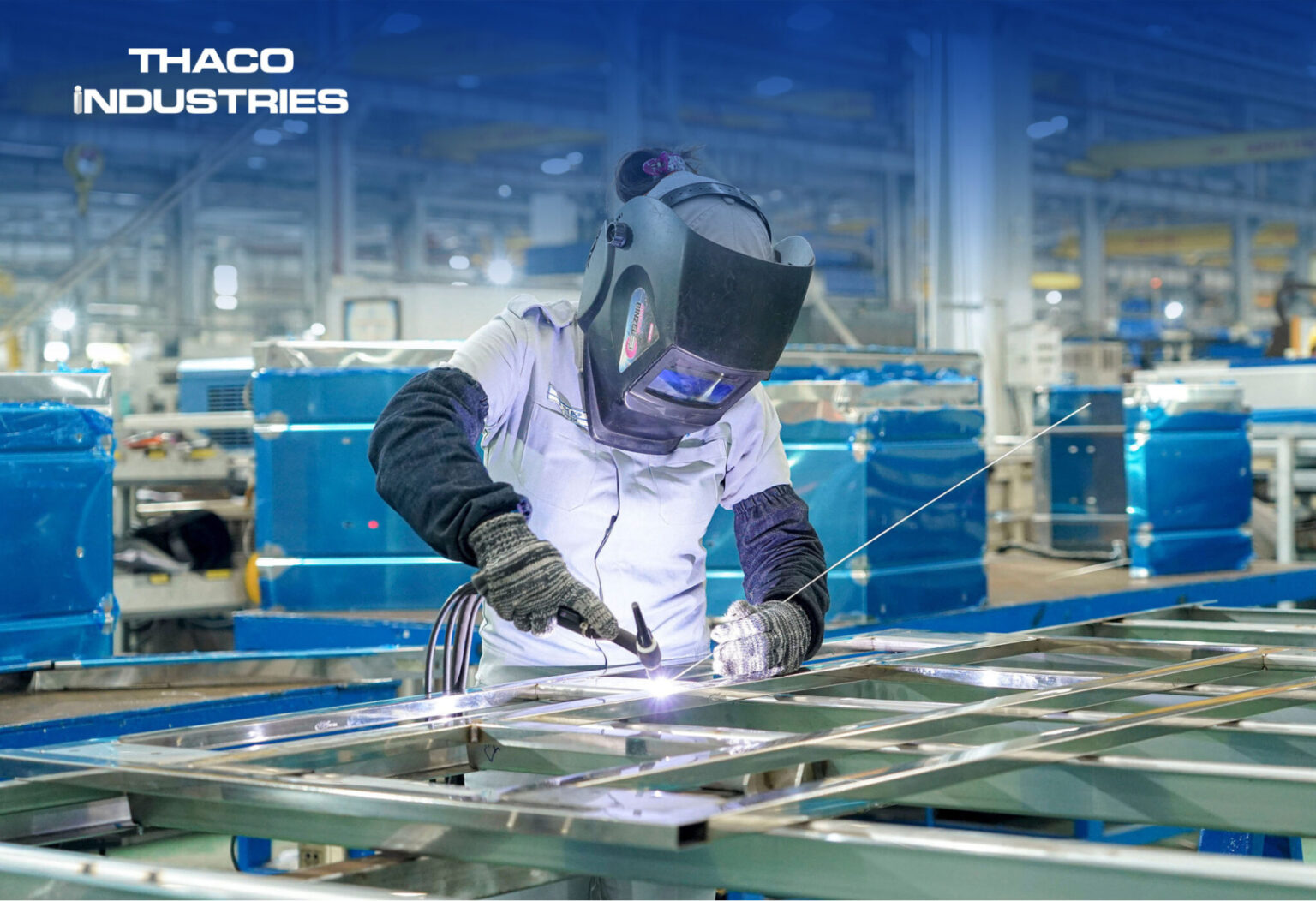
Step 1: Define Your Requirements
Before you start searching for a supplier, it is crucial to clearly define your requirements. Consider the following:

    Type of Parts: Identify the specific mechanical parts you need, such as gears, bearings, or custom components.
    Volume: Determine the quantity you require, whether it’s a small batch or large-scale production.
    Specifications: Outline precise specifications for each part, including materials, dimensions, and tolerances.

Having a clear understanding of your requirements will help streamline the selection process and ensure that potential suppliers can meet your expectations.

Step 2: Research Potential Suppliers
Once you have defined your requirements, start researching potential mechanical parts assembly suppliers. Utilize the following methods:Reference: Future Trends in Mechanical Parts Assembly Suppliers

    Online Directories: Use platforms like ThomasNet or Engineering.com to find suppliers listed by industry and capabilities.
    Industry Associations: Explore memberships in various manufacturing associations that can provide referrals.
    Networking: Attend trade shows and industry events to connect with suppliers and gather firsthand information.


Step 3: Evaluate Supplier Capabilities
After compiling a list of potential suppliers, evaluate their capabilities to ensure they can meet your needs effectively. Consider the following criteria:Reference: Pros & Cons of Choosing a Mechanical Parts Assembly Supplier

    Experience: Look for suppliers with a proven track record in assembling mechanical parts in your industry.
    Certification: Check for relevant certifications such as ISO 9001 or industry-specific standards that demonstrate quality assurance.
    Technology: Assess their manufacturing technology and equipment to ensure they can produce parts to your specifications.


Step 4: Request Quotes and Samples
Once you have a shortlist of potential suppliers, request quotes and, if possible, samples of their work. This will help you:

    Compare Pricing: Analyze the cost of parts and assembly services to ensure they fit within your budget.
    Evaluate Quality: Review the samples to assess the quality and craftsmanship of the mechanical parts.
    Understand Lead Times: Inquire about production and delivery times to ensure they align with your project timelines.


Step 5: Conduct a Site Visit
If possible, conduct a site visit to the supplier's facility. This allows you to:

    Observe Operations: Get a firsthand look at their manufacturing processes and quality control measures.
    Meet the Team: Engage with the team members who will be directly involved in your project, fostering better communication and collaboration.
    Assess Capacity: Confirm their production capacity to ensure they can handle your orders without compromising quality.


Conclusion: Make an Informed Decision
Choosing the right mechanical parts assembly supplier is a critical step in the manufacturing process. By following this step-by-step guide, you can make an informed decision that will benefit your business in the long run. Remember to weigh all factors, from requirements and supplier capabilities to pricing and quality. Don’t hesitate to reach out to multiple suppliers to gather more information. Begin your journey towards a successful partnership today!THACO INDUSTRIES is not only a manufacturer but also a symbol of Vietnam’s industrial transformation. Through high-quality automotive components, mechanical products, and industrial equipment, THACO INDUSTRIES contributes to global supply chains while promoting innovation and excellence in modern manufacturing.#trailer_component_manufacturing, #trailercomponentmanufacturing, #THACO_INDUSTRIES, #THACOINDUSTRIES, #THACO_INDUSTRIES]]></summary><author><name>thacoindus</name></author><published>2026-04-28T07:10:30+00:00</published><updated>2026-04-28T07:10:31+00:00</updated><content type="html"><![CDATA[<p>In the fast-paced manufacturing industry, selecting the right <a href="https://thacoindustries.com/en/mechanical-parts-assembly-supplier/">mechanical parts assembly supplier</a> can significantly impact your production efficiency and product quality. This step-by-step guide will walk you through the essential considerations and actions needed to choose the best supplier to meet your specific needs. By following these steps, you can ensure a seamless assembly process that aligns with your operational goals.</p><br><img src="https://thacoindustries.com/wp-content/uploads/2025/10/silo-manufacturers-2-2048x1366.jpg"></br>
See Article Details At: mechanical parts assembly supplier
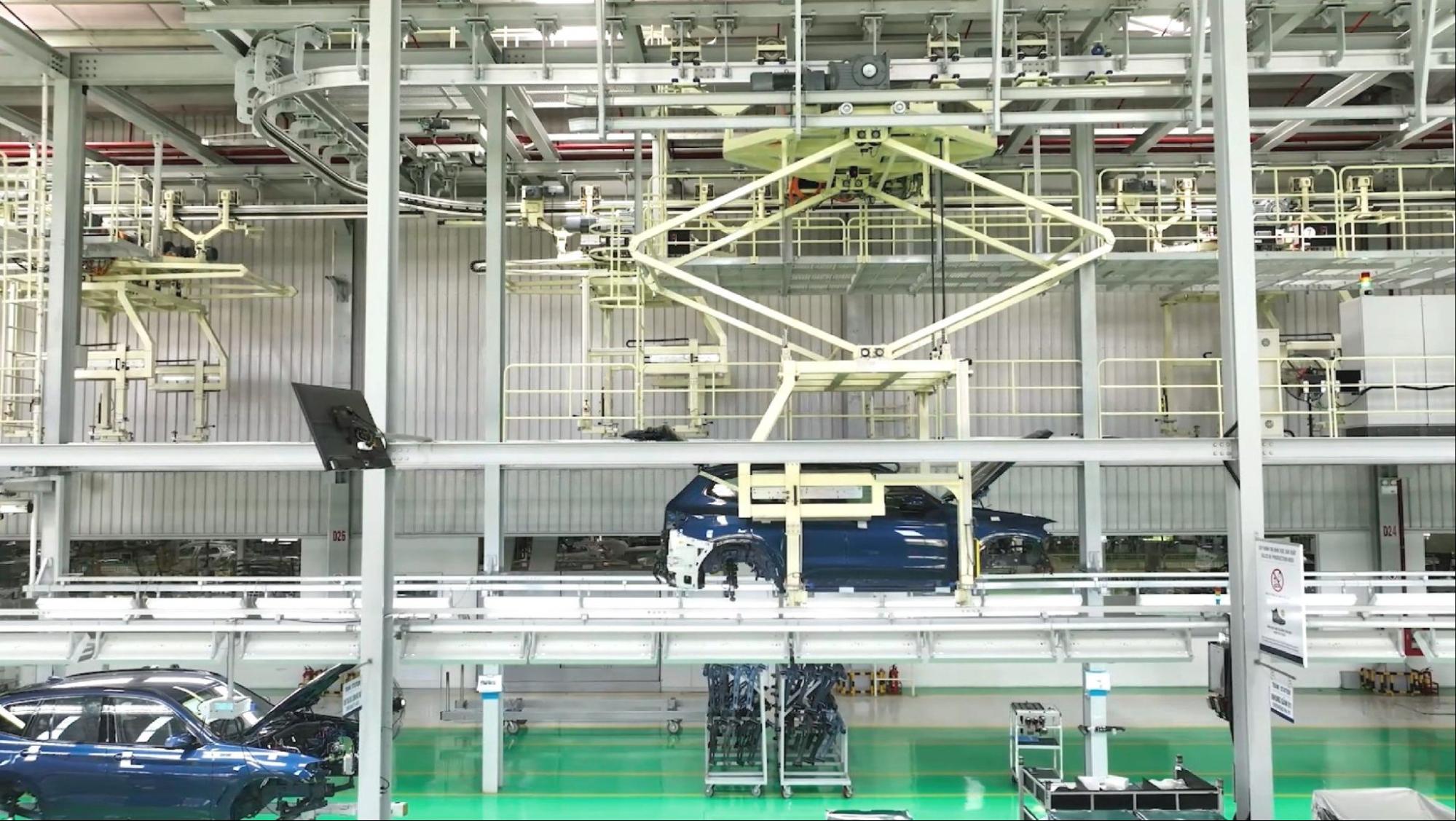
<h2>Step 1: Define Your Requirements</h2>
<p>Before you start searching for a supplier, it is crucial to clearly define your requirements. Consider the following:<br><img src="https://thacoindustries.com/wp-content/uploads/2025/09/innovative-contract-manufacturing-solutions-by-thaco-industries-768x512.jpg"></br>
<ul>
    <li><strong>Type of Parts:</strong> Identify the specific mechanical parts you need, such as gears, bearings, or custom components.</li>
    <li><strong>Volume:</strong> Determine the quantity you require, whether it’s a small batch or large-scale production.</li>
    <li><strong>Specifications:</strong> Outline precise specifications for each part, including materials, dimensions, and tolerances.</li>
</ul>
<p>Having a clear understanding of your requirements will help streamline the selection process and ensure that potential suppliers can meet your expectations.</p><br><img src="https://thacoindustries.com/wp-content/uploads/2025/11/migmag-robotic-welding-1536x1052.jpg"></br>

<h2>Step 2: Research Potential Suppliers</h2>
<p>Once you have defined your requirements, start researching potential mechanical parts assembly suppliers. Utilize the following methods:</p><br>Reference: <a href="https://www.thepartyservicesweb.com/board/board_topic/3929364/8227173.htm">Future Trends in Mechanical Parts Assembly Suppliers</a></br>
<ul>
    <li><strong>Online Directories:</strong> Use platforms like ThomasNet or Engineering.com to find suppliers listed by industry and capabilities.</li>
    <li><strong>Industry Associations:</strong> Explore memberships in various manufacturing associations that can provide referrals.</li>
    <li><strong>Networking:</strong> Attend trade shows and industry events to connect with suppliers and gather firsthand information.</li>
</ul>

<h2>Step 3: Evaluate Supplier Capabilities</h2>
<p>After compiling a list of potential suppliers, evaluate their capabilities to ensure they can meet your needs effectively. Consider the following criteria:</p><br>Reference: <a href="https://adaptable-apple-10zb4lm.mystrikingly.com/blog/">Pros & Cons of Choosing a Mechanical Parts Assembly Supplier</a></br>
<ul>
    <li><strong>Experience:</strong> Look for suppliers with a proven track record in assembling mechanical parts in your industry.</li>
    <li><strong>Certification:</strong> Check for relevant certifications such as ISO 9001 or industry-specific standards that demonstrate quality assurance.</li>
    <li><strong>Technology:</strong> Assess their manufacturing technology and equipment to ensure they can produce parts to your specifications.</li>
</ul>

<h2>Step 4: Request Quotes and Samples</h2>
<p>Once you have a shortlist of potential suppliers, request quotes and, if possible, samples of their work. This will help you:</p>
<ul>
    <li><strong>Compare Pricing:</strong> Analyze the cost of parts and assembly services to ensure they fit within your budget.</li>
    <li><strong>Evaluate Quality:</strong> Review the samples to assess the quality and craftsmanship of the mechanical parts.</li>
    <li><strong>Understand Lead Times:</strong> Inquire about production and delivery times to ensure they align with your project timelines.</li>
</ul>

<h2>Step 5: Conduct a Site Visit</h2>
<p>If possible, conduct a site visit to the supplier's facility. This allows you to:</p>
<ul>
    <li><strong>Observe Operations:</strong> Get a firsthand look at their manufacturing processes and quality control measures.</li>
    <li><strong>Meet the Team:</strong> Engage with the team members who will be directly involved in your project, fostering better communication and collaboration.</li>
    <li><strong>Assess Capacity:</strong> Confirm their production capacity to ensure they can handle your orders without compromising quality.</li>
</ul>

<h2>Conclusion: Make an Informed Decision</h2>
<p>Choosing the right mechanical parts assembly supplier is a critical step in the manufacturing process. By following this step-by-step guide, you can make an informed decision that will benefit your business in the long run. Remember to weigh all factors, from requirements and supplier capabilities to pricing and quality. Don’t hesitate to reach out to multiple suppliers to gather more information. Begin your journey towards a successful partnership today!</p><p><a href="https://thacoindustries.com/en/">THACO INDUSTRIES</a> is not only a manufacturer but also a symbol of Vietnam’s industrial transformation. Through high-quality automotive components, mechanical products, and industrial equipment, THACO INDUSTRIES contributes to global supply chains while promoting innovation and excellence in modern manufacturing.</p>#trailer_component_manufacturing, #trailercomponentmanufacturing, #THACO_INDUSTRIES, #THACOINDUSTRIES, #THACO_INDUSTRIES<p>In the fast-paced manufacturing industry, selecting the right <a href="https://thacoindustries.com/en/mechanical-parts-assembly-supplier/">mechanical parts assembly supplier</a> can significantly impact your production efficiency and product quality. This step-by-step guide will walk you through the essential considerations and actions needed to choose the best supplier to meet your specific needs. By following these steps, you can ensure a seamless assembly process that aligns with your operational goals.</p><br><img src="https://thacoindustries.com/wp-content/uploads/2025/10/silo-manufacturers-2-2048x1366.jpg"></br>
See Article Details At: mechanical parts assembly supplier

<h2>Step 1: Define Your Requirements</h2>
<p>Before you start searching for a supplier, it is crucial to clearly define your requirements. Consider the following:<br><img src="https://thacoindustries.com/wp-content/uploads/2025/09/innovative-contract-manufacturing-solutions-by-thaco-industries-768x512.jpg"></br>
<ul>
    <li><strong>Type of Parts:</strong> Identify the specific mechanical parts you need, such as gears, bearings, or custom components.</li>
    <li><strong>Volume:</strong> Determine the quantity you require, whether it’s a small batch or large-scale production.</li>
    <li><strong>Specifications:</strong> Outline precise specifications for each part, including materials, dimensions, and tolerances.</li>
</ul>
<p>Having a clear understanding of your requirements will help streamline the selection process and ensure that potential suppliers can meet your expectations.</p><br><img src="https://thacoindustries.com/wp-content/uploads/2025/11/migmag-robotic-welding-1536x1052.jpg"></br>

<h2>Step 2: Research Potential Suppliers</h2>
<p>Once you have defined your requirements, start researching potential mechanical parts assembly suppliers. Utilize the following methods:</p><br>View At: <a href="https://www.coffeesix-store.com/board/board_topic/7560063/8227128.htm">Future Trends in Mechanical Parts Assembly Suppliers</a></br>
<ul>
    <li><strong>Online Directories:</strong> Use platforms like ThomasNet or Engineering.com to find suppliers listed by industry and capabilities.</li>
    <li><strong>Industry Associations:</strong> Explore memberships in various manufacturing associations that can provide referrals.</li>
    <li><strong>Networking:</strong> Attend trade shows and industry events to connect with suppliers and gather firsthand information.</li>
</ul>

<h2>Step 3: Evaluate Supplier Capabilities</h2>
<p>After compiling a list of potential suppliers, evaluate their capabilities to ensure they can meet your needs effectively. Consider the following criteria:</p><br>View At: <a href="https://forum.amzgame.com/thread/detail?id=627449">Pros & Cons of Choosing a Mechanical Parts Assembly Supplier</a></br>
<ul>
    <li><strong>Experience:</strong> Look for suppliers with a proven track record in assembling mechanical parts in your industry.</li>
    <li><strong>Certification:</strong> Check for relevant certifications such as ISO 9001 or industry-specific standards that demonstrate quality assurance.</li>
    <li><strong>Technology:</strong> Assess their manufacturing technology and equipment to ensure they can produce parts to your specifications.</li>
</ul>

<h2>Step 4: Request Quotes and Samples</h2>
<p>Once you have a shortlist of potential suppliers, request quotes and, if possible, samples of their work. This will help you:</p>
<ul>
    <li><strong>Compare Pricing:</strong> Analyze the cost of parts and assembly services to ensure they fit within your budget.</li>
    <li><strong>Evaluate Quality:</strong> Review the samples to assess the quality and craftsmanship of the mechanical parts.</li>
    <li><strong>Understand Lead Times:</strong> Inquire about production and delivery times to ensure they align with your project timelines.</li>
</ul>

<h2>Step 5: Conduct a Site Visit</h2>
<p>If possible, conduct a site visit to the supplier's facility. This allows you to:</p>
<ul>
    <li><strong>Observe Operations:</strong> Get a firsthand look at their manufacturing processes and quality control measures.</li>
    <li><strong>Meet the Team:</strong> Engage with the team members who will be directly involved in your project, fostering better communication and collaboration.</li>
    <li><strong>Assess Capacity:</strong> Confirm their production capacity to ensure they can handle your orders without compromising quality.</li>
</ul>

<h2>Conclusion: Make an Informed Decision</h2>
<p>Choosing the right mechanical parts assembly supplier is a critical step in the manufacturing process. By following this step-by-step guide, you can make an informed decision that will benefit your business in the long run. Remember to weigh all factors, from requirements and supplier capabilities to pricing and quality. Don’t hesitate to reach out to multiple suppliers to gather more information. Begin your journey towards a successful partnership today!</p><p><a href="https://thacoindustries.com/en/">THACO INDUSTRIES</a> is not only a manufacturer but also a symbol of Vietnam’s industrial transformation. Through high-quality automotive components, mechanical products, and industrial equipment, THACO INDUSTRIES contributes to global supply chains while promoting innovation and excellence in modern manufacturing.</p>#trailer_component_manufacturing, #trailercomponentmanufacturing, #THACO_INDUSTRIES, #THACOINDUSTRIES, #THACO_INDUSTRIES]]></content></entry><entry><title><![CDATA[Automated Material Handling Equipment Manufacturers: Driving Smart Industrial Efficiency]]></title><link rel="alternate" href="https://thacoindus.shopinfo.jp/posts/58776854/"></link><id>https://thacoindus.shopinfo.jp/posts/58776854</id><summary><![CDATA[Why Automated Material Handling Equipment Manufacturers Matter

Automated material handling equipment manufacturers play a critical role in modern industries by providing advanced systems that improve productivity, reduce labor costs, and enhance workplace safety. From warehouses and logistics centers to factories and distribution hubs, automated material handling solutions help businesses move goods faster and more accurately.
See Article Details At: automated material handling equipment manufacturers
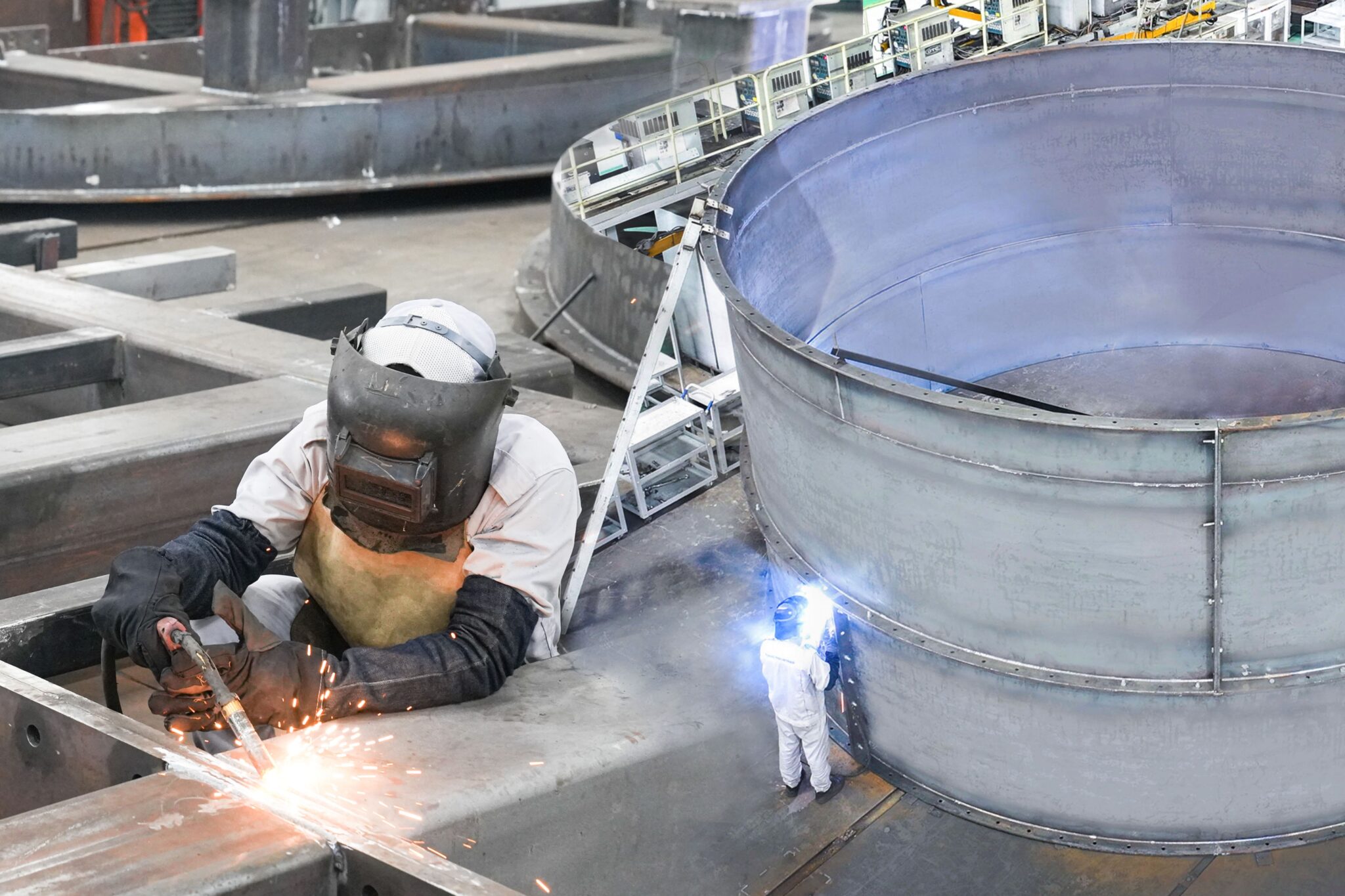
As industries shift toward smart manufacturing and Industry 4.0, choosing the right manufacturer becomes a strategic advantage for long-term growth.
Products Offered by Automated Material Handling Equipment Manufacturers
Conveyor and Sorting Systems
Professional automated material handling equipment manufacturers provide conveyor belts, roller systems, and automated sorting lines for warehouses and production facilities. These systems reduce manual handling and improve the speed of material transportation.
They are widely used in e-commerce, food processing, and manufacturing industries.Reference: Automated Material Handling Equipment Manufacturers: Driving Smart Industrial Efficiency
Automated Storage and Retrieval Systems
Automated storage and retrieval systems (AS/RS) are designed to maximize warehouse space and improve inventory accuracy. These systems use robotics and smart controls to store and retrieve products with minimal human intervention.Reference: Automated Material Handling Equipment Manufacturers: Advanced Solutions for Industrial Productivity
This technology helps businesses increase efficiency and reduce operational errors.
Robotic Palletizing and Lifting Equipment
Many automated material handling equipment manufacturers also produce robotic palletizers, lifting systems, and automated guided vehicles (AGVs). These machines handle heavy loads safely and support continuous industrial operations.
Customized solutions help businesses improve workflow and reduce workplace injuries.
How to Choose Reliable Automated Material Handling Equipment Manufacturers
Engineering Expertise and Product Quality
A trusted manufacturer uses advanced engineering, durable materials, and precision manufacturing to ensure reliable system performance. Strong product quality reduces downtime and improves long-term operational efficiency.
Customization and Smart Integration
A dependable automated material handling equipment manufacturer should offer tailored solutions based on warehouse layout, production goals, and automation requirements. Smart integration with software systems is essential for maximizing performance.
Installation and After-Sales Support
Professional installation, maintenance services, and fast technical support are critical for minimizing operational disruptions. Reliable after-sales service ensures continuous system performance and faster problem resolution.
Future Trends in Automated Material Handling Manufacturing
Artificial intelligence, IoT monitoring, robotics, and predictive maintenance are transforming the industry. Energy-efficient systems and sustainable manufacturing practices are also becoming major priorities.
Manufacturers that invest in innovation will continue to lead the global industrial market.
Conclusion
Working with experienced automated material handling equipment manufacturers helps businesses improve efficiency, reduce labor dependency, and achieve smarter industrial operations. High-quality systems, customized automation solutions, and dependable support make the right manufacturer a valuable long-term partner.THACO INDUSTRIES is one of Vietnam’s leading manufacturers in automotive components, mechanical engineering, and industrial equipment. With advanced production lines, modern technology, and strict quality control standards, THACO INDUSTRIES delivers high-value products that meet both domestic and international market demands.#gondola_shelving_manufacturers, #gondolashelvingmanufacturers, #THACO_INDUSTRIES, #THACOINDUSTRIES, #THACO_INDUSTRIES]]></summary><author><name>thacoindus</name></author><published>2026-04-28T06:57:11+00:00</published><updated>2026-04-28T06:57:11+00:00</updated><content type="html"><![CDATA[<h2>Why Automated Material Handling Equipment Manufacturers Matter</h2>
<p>
<strong>Automated material handling equipment manufacturers</strong> play a critical role in modern industries by providing advanced systems that improve productivity, reduce labor costs, and enhance workplace safety. From warehouses and logistics centers to factories and distribution hubs, automated material handling solutions help businesses move goods faster and more accurately.</p><br><img src="https://thacoindustries.com/wp-content/uploads/2025/12/automotive-and-manufacturing-plants.jpg"></br>
See Article Details At: <a href="https://thacoindustries.com/en/automated-material-handling-equipment-manufacturers/">automated material handling equipment manufacturers</a>
<p>As industries shift toward smart manufacturing and Industry 4.0, choosing the right manufacturer becomes a strategic advantage for long-term growth.<br><img src="https://thacoindustries.com/wp-content/uploads/2025/12/reliable-automated-material-handling-equipment-manufacturer.jpg"></br>
<h2>Products Offered by Automated Material Handling Equipment Manufacturers</h2>
<h3>Conveyor and Sorting Systems</h3>
<p>Professional <strong>automated material handling equipment manufacturers</strong> provide conveyor belts, roller systems, and automated sorting lines for warehouses and production facilities. These systems reduce manual handling and improve the speed of material transportation.</p><br><img src="https://thacoindustries.com/wp-content/uploads/2025/10/silo-manufacturers-2-2048x1366.jpg"></br>
<p>They are widely used in e-commerce, food processing, and manufacturing industries.</p><br>Reference: <a href="https://www.sunemall.com/board/board_topic/8431232/8227040.htm">Automated Material Handling Equipment Manufacturers: Driving Smart Industrial Efficiency</a></br>
<h3>Automated Storage and Retrieval Systems</h3>
<p>Automated storage and retrieval systems (AS/RS) are designed to maximize warehouse space and improve inventory accuracy. These systems use robotics and smart controls to store and retrieve products with minimal human intervention.</p><br>Reference: <a href="https://lor.instructure.com/resources/4e9b73ff535a423eb0afde8683b74cdd?shared">Automated Material Handling Equipment Manufacturers: Advanced Solutions for Industrial Productivity</a></br>
<p>This technology helps businesses increase efficiency and reduce operational errors.</p>
<h3>Robotic Palletizing and Lifting Equipment</h3>
<p>Many <strong>automated material handling equipment manufacturers</strong> also produce robotic palletizers, lifting systems, and automated guided vehicles (AGVs). These machines handle heavy loads safely and support continuous industrial operations.</p>
<p>Customized solutions help businesses improve workflow and reduce workplace injuries.</p>
<h2>How to Choose Reliable Automated Material Handling Equipment Manufacturers</h2>
<h3>Engineering Expertise and Product Quality</h3>
<p>A trusted manufacturer uses advanced engineering, durable materials, and precision manufacturing to ensure reliable system performance. Strong product quality reduces downtime and improves long-term operational efficiency.</p>
<h3>Customization and Smart Integration</h3>
<p>A dependable <strong>automated material handling equipment manufacturer</strong> should offer tailored solutions based on warehouse layout, production goals, and automation requirements. Smart integration with software systems is essential for maximizing performance.</p>
<h3>Installation and After-Sales Support</h3>
<p>Professional installation, maintenance services, and fast technical support are critical for minimizing operational disruptions. Reliable after-sales service ensures continuous system performance and faster problem resolution.</p>
<h2>Future Trends in Automated Material Handling Manufacturing</h2>
<p>Artificial intelligence, IoT monitoring, robotics, and predictive maintenance are transforming the industry. Energy-efficient systems and sustainable manufacturing practices are also becoming major priorities.</p>
<p>Manufacturers that invest in innovation will continue to lead the global industrial market.</p>
<h2>Conclusion</h2>
<p>Working with experienced <strong>automated material handling equipment manufacturers</strong> helps businesses improve efficiency, reduce labor dependency, and achieve smarter industrial operations. High-quality systems, customized automation solutions, and dependable support make the right manufacturer a valuable long-term partner.</p><p><a href="https://thacoindustries.com/en/">THACO INDUSTRIES</a> is one of Vietnam’s leading manufacturers in automotive components, mechanical engineering, and industrial equipment. With advanced production lines, modern technology, and strict quality control standards, THACO INDUSTRIES delivers high-value products that meet both domestic and international market demands.</p>#gondola_shelving_manufacturers, #gondolashelvingmanufacturers, #THACO_INDUSTRIES, #THACOINDUSTRIES, #THACO_INDUSTRIES]]></content></entry><entry><title><![CDATA[FAQs on Storage Silos Manufacturers: Expert Insights & Answers]]></title><link rel="alternate" href="https://thacoindus.shopinfo.jp/posts/58776748/"></link><id>https://thacoindus.shopinfo.jp/posts/58776748</id><summary><![CDATA[In the manufacturing industry, storage silos play a vital role in managing bulk materials efficiently. Many companies have questions regarding storage silos manufacturers, particularly around the design, materials, and functionality of these structures. This article addresses common inquiries and provides in-depth answers, ensuring you have the necessary knowledge to choose the right manufacturer and silo for your needs.
See Article Details At: storage silos manufacturers
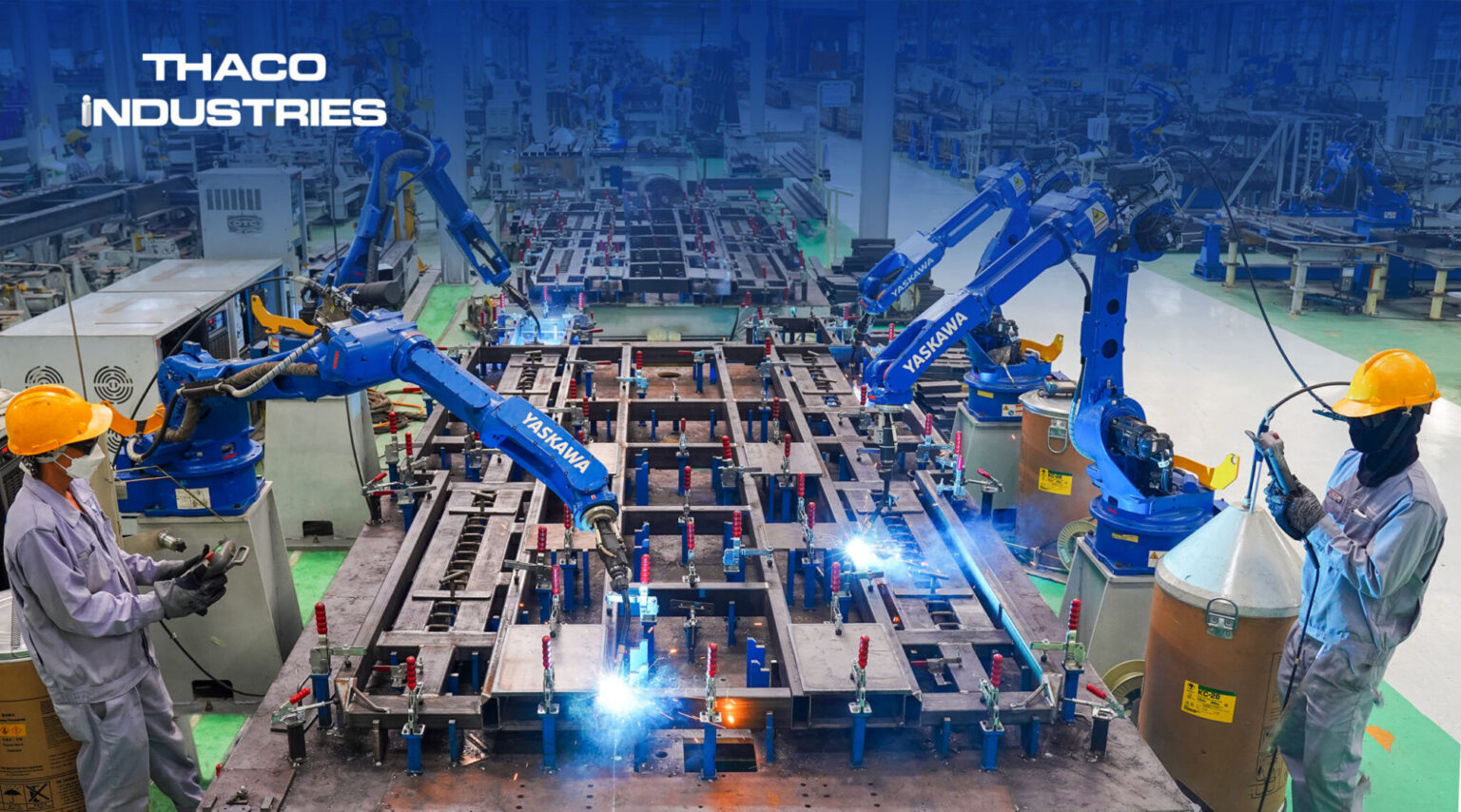
What Materials Are Used in Storage Silos?
Storage silos can be constructed from various materials, each offering distinct advantages. The most common materials include:View At: Industrial Storage Made Efficient

    Steel: Known for its durability and strength, steel silos can withstand harsh weather conditions and heavy loads.
    Concrete: Concrete silos are excellent for long-term storage, providing superior insulation and resistance to moisture.
    Fiberglass: Lightweight and resistant to corrosion, fiberglass is ideal for smaller capacities and specific material types.

When selecting a material, consider factors such as the type of bulk material being stored, environmental conditions, and budget constraints.See More At: Storage Silos Manufacturers vs. Alternative Solutions: A Comparison

How Do I Choose the Right Manufacturer?
Selecting the right storage silo manufacturer is crucial for ensuring quality and reliability. Here are some key factors to assess:Reference: Storage Silos Manufacturers vs. Alternative Solutions: A Comparison

    Industry Experience: Look for manufacturers with a proven track record in the manufacturing industry. Their experience can assure you of their expertise.
    Customization Options: A good manufacturer should offer customizable solutions to meet your specific requirements, such as size, capacity, and design.
    Customer Reviews: Check testimonials and case studies to gauge the satisfaction of previous clients. Positive feedback is often a good indicator of quality.


What Are the Common Misconceptions About Storage Silos?
There are several misconceptions that can lead to poor decision-making regarding storage silos:

    All Silos Are the Same: Not all silos are created equal. Different types are designed for different materials and operational needs.
    Maintenance Isn’t Necessary: Regular maintenance is essential to ensure the longevity and efficiency of silos. Neglecting maintenance can lead to costly repairs.
    Cost is the Only Factor: While cost is important, it should not be the sole consideration. Quality, safety standards, and the manufacturer’s reputation are equally vital.


What Are the Safety Standards for Storage Silos?
Safety is paramount in the manufacturing industry. Storage silos must adhere to specific safety standards, including:

    OSHA Regulations: Compliance with Occupational Safety and Health Administration (OSHA) standards is critical for protecting workers.
    Structural Integrity: Manufacturers should ensure that their silos meet local building codes and regulations regarding structural integrity and safety.
    Fire Safety: Depending on the materials stored, fire safety measures must be implemented, including ventilation systems and fire-resistant materials.


What Is the Installation Process for Storage Silos?
The installation of storage silos involves several steps:

    Site Preparation: Ensure the site is leveled and prepared to support the silo's weight.
    Transport and Assembly: Silos are often delivered in sections, which are then assembled on-site. Proper equipment and skilled labor are essential for safe assembly.
    Testing and Calibration: After installation, the silo should be tested for functionality, ensuring all systems are operational and safe.


Conclusion
Understanding the nuances of storage silos and their manufacturers is essential for making informed decisions in the manufacturing industry. By considering factors like materials, manufacturer reputation, and safety standards, you can select the best silo for your operational needs. If you have further questions or need assistance in choosing a storage silo, don't hesitate to reach out to industry experts for guidance!THACO INDUSTRIES stands out for its commitment to quality and technological advancement in manufacturing. By combining experienced engineering teams with state-of-the-art facilities, THACO INDUSTRIES provides reliable industrial solutions for partners across automotive, logistics, agriculture, and heavy industry sectors worldwide.
#storage_silos_manufacturers, #storagesilosmanufacturers, #THACO_INDUSTRIES, #THACOINDUSTRIES, #THACO_INDUSTRIES]]></summary><author><name>thacoindus</name></author><published>2026-04-28T06:26:16+00:00</published><updated>2026-04-28T06:26:16+00:00</updated><content type="html"><![CDATA[<p>In the manufacturing industry, storage silos play a vital role in managing bulk materials efficiently. Many companies have questions regarding <a href="https://thacoindustries.com/en/silo-manufacturers/">storage silos manufacturers</a>, particularly around the design, materials, and functionality of these structures. This article addresses common inquiries and provides in-depth answers, ensuring you have the necessary knowledge to choose the right manufacturer and silo for your needs.</p><br><img src="https://thacoindustries.com/wp-content/uploads/2025/10/silo-manufacturers-1-1-2048x1365.jpg"></br>
See Article Details At: storage silos manufacturers
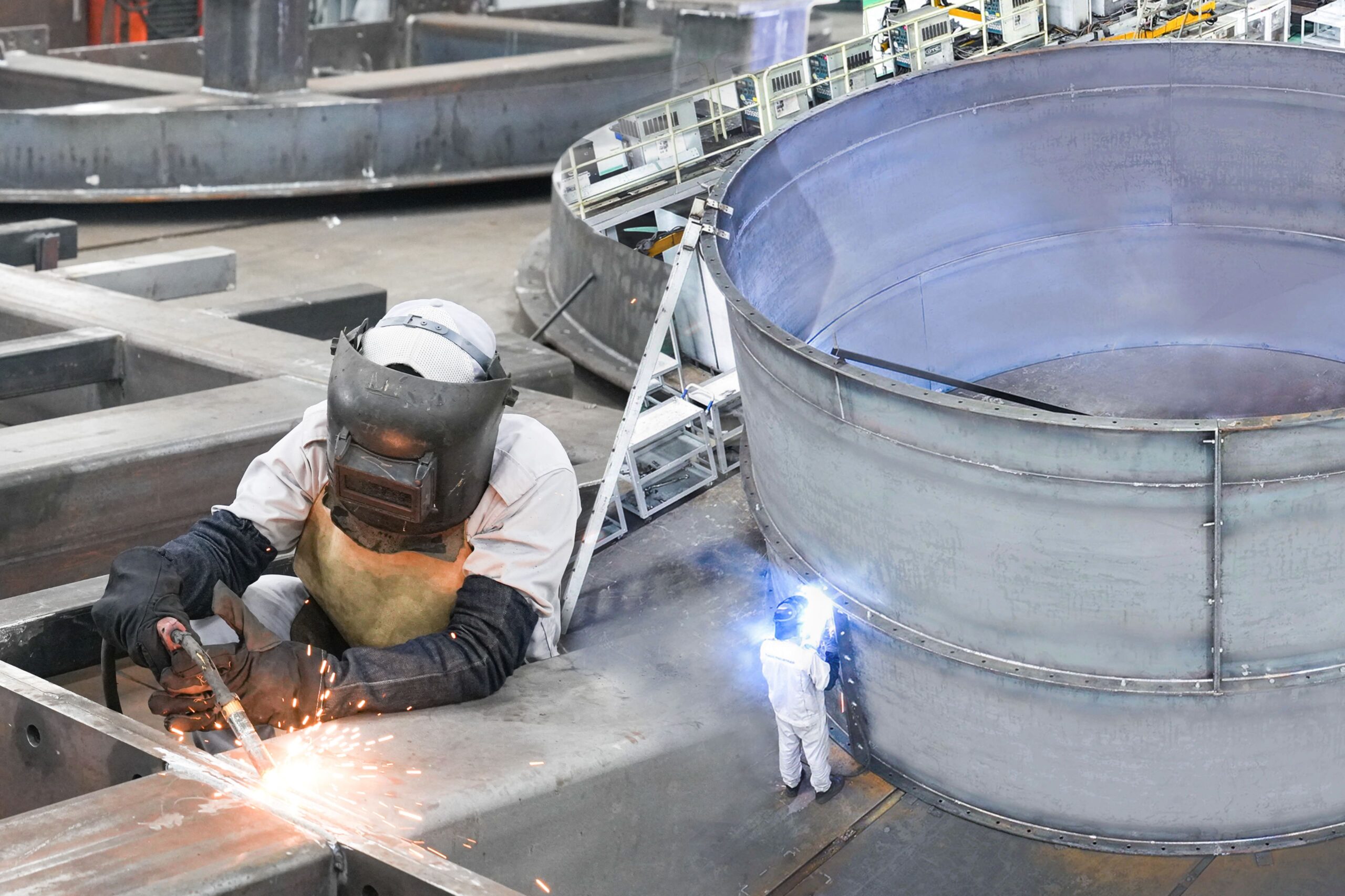
<h2>What Materials Are Used in Storage Silos?</h2>
<p>Storage silos can be constructed from various materials, each offering distinct advantages. The most common materials include:</p><br>View At: <a href="https://lessons.drawspace.com/post/1067643/industrial-storage-made-efficient">Industrial Storage Made Efficient</a></br><br><img src="https://thacoindustries.com/wp-content/uploads/2025/10/silo-manufacturers-2-2048x1366.jpg"></br>
<ul>
    <li><strong>Steel:</strong> Known for its durability and strength, steel silos can withstand harsh weather conditions and heavy loads.</li>
    <li><strong>Concrete:</strong> Concrete silos are excellent for long-term storage, providing superior insulation and resistance to moisture.</li>
    <li><strong>Fiberglass:</strong> Lightweight and resistant to corrosion, fiberglass is ideal for smaller capacities and specific material types.</li>
</ul>
<p>When selecting a material, consider factors such as the type of bulk material being stored, environmental conditions, and budget constraints.</p><br>See More At: <a href="https://www.vhs80.com/board/board_topic/6798823/8226747.htm">Storage Silos Manufacturers vs. Alternative Solutions: A Comparison</a></br><br><img src="https://thacoindustries.com/wp-content/uploads/2025/11/key-types-of-robotic-welding-1536x854.jpg"></br>

<h2>How Do I Choose the Right Manufacturer?</h2>
<p>Selecting the right storage silo manufacturer is crucial for ensuring quality and reliability. Here are some key factors to assess:</p><br>Reference: <a href="https://www.thepartyservicesweb.com/board/board_topic/3929364/8226758.htm">Storage Silos Manufacturers vs. Alternative Solutions: A Comparison</a></br>
<ul>
    <li><strong>Industry Experience:</strong> Look for manufacturers with a proven track record in the manufacturing industry. Their experience can assure you of their expertise.</li>
    <li><strong>Customization Options:</strong> A good manufacturer should offer customizable solutions to meet your specific requirements, such as size, capacity, and design.</li>
    <li><strong>Customer Reviews:</strong> Check testimonials and case studies to gauge the satisfaction of previous clients. Positive feedback is often a good indicator of quality.</li>
</ul>

<h2>What Are the Common Misconceptions About Storage Silos?</h2>
<p>There are several misconceptions that can lead to poor decision-making regarding storage silos:</p>
<ul>
    <li><strong>All Silos Are the Same:</strong> Not all silos are created equal. Different types are designed for different materials and operational needs.</li>
    <li><strong>Maintenance Isn’t Necessary:</strong> Regular maintenance is essential to ensure the longevity and efficiency of silos. Neglecting maintenance can lead to costly repairs.</li>
    <li><strong>Cost is the Only Factor:</strong> While cost is important, it should not be the sole consideration. Quality, safety standards, and the manufacturer’s reputation are equally vital.</li>
</ul>

<h2>What Are the Safety Standards for Storage Silos?</h2>
<p>Safety is paramount in the manufacturing industry. Storage silos must adhere to specific safety standards, including:</p>
<ul>
    <li><strong>OSHA Regulations:</strong> Compliance with Occupational Safety and Health Administration (OSHA) standards is critical for protecting workers.</li>
    <li><strong>Structural Integrity:</strong> Manufacturers should ensure that their silos meet local building codes and regulations regarding structural integrity and safety.</li>
    <li><strong>Fire Safety:</strong> Depending on the materials stored, fire safety measures must be implemented, including ventilation systems and fire-resistant materials.</li>
</ul>

<h2>What Is the Installation Process for Storage Silos?</h2>
<p>The installation of storage silos involves several steps:</p>
<ul>
    <li><strong>Site Preparation:</strong> Ensure the site is leveled and prepared to support the silo's weight.</li>
    <li><strong>Transport and Assembly:</strong> Silos are often delivered in sections, which are then assembled on-site. Proper equipment and skilled labor are essential for safe assembly.</li>
    <li><strong>Testing and Calibration:</strong> After installation, the silo should be tested for functionality, ensuring all systems are operational and safe.</li>
</ul>

<h2>Conclusion</h2>
<p>Understanding the nuances of storage silos and their manufacturers is essential for making informed decisions in the manufacturing industry. By considering factors like materials, manufacturer reputation, and safety standards, you can select the best silo for your operational needs. If you have further questions or need assistance in choosing a storage silo, don't hesitate to reach out to industry experts for guidance!</p><p><a href="https://thacoindustries.com/en/">THACO INDUSTRIES</a> stands out for its commitment to quality and technological advancement in manufacturing. By combining experienced engineering teams with state-of-the-art facilities, THACO INDUSTRIES provides reliable industrial solutions for partners across automotive, logistics, agriculture, and heavy industry sectors worldwide.</p>
#storage_silos_manufacturers, #storagesilosmanufacturers, #THACO_INDUSTRIES, #THACOINDUSTRIES, #THACO_INDUSTRIES]]></content></entry><entry><title><![CDATA[Pros & Cons of Choosing a Silo Tank Manufacturer in Industry]]></title><link rel="alternate" href="https://thacoindus.shopinfo.jp/posts/58776722/"></link><id>https://thacoindus.shopinfo.jp/posts/58776722</id><summary><![CDATA[When it comes to the manufacturing industry, the choice of equipment plays a crucial role in the efficiency and effectiveness of operations. Silo tanks, which are primarily used for storing bulk materials, come with their own set of advantages and disadvantages. In this article, we will delve into the pros and cons of choosing a silo tank manufacturer, helping you make an informed decision for your business needs.
See Article Details At: silo tank manufacturer
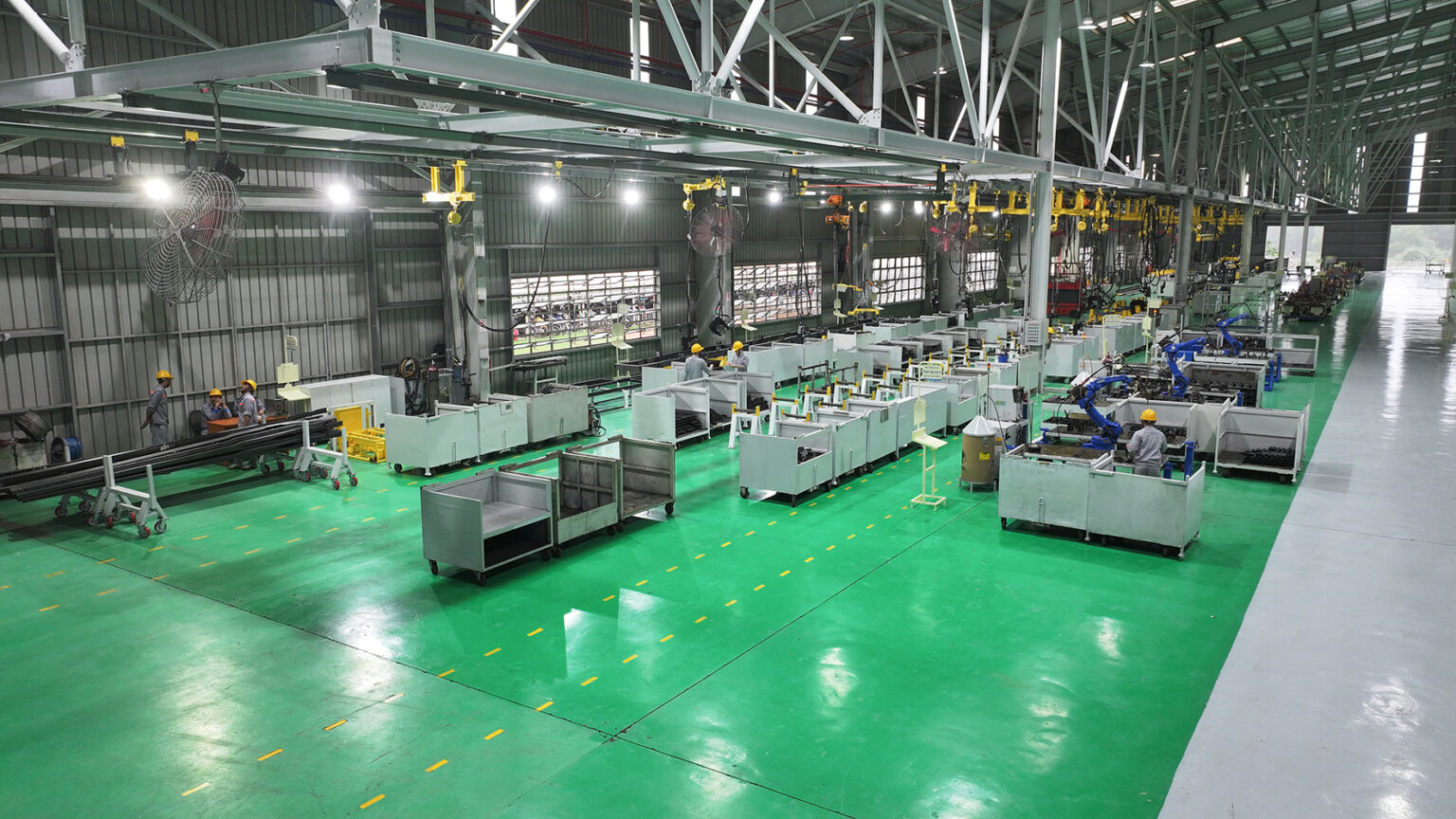
Advantages of Silo Tanks
Silo tanks offer numerous benefits that can significantly enhance manufacturing processes. Here are some key advantages:

    Space Efficiency: Silo tanks are designed to maximize vertical space, allowing for high-capacity storage without requiring a large footprint. This is particularly beneficial for facilities with limited space.
    Durability: Constructed from robust materials such as steel or reinforced concrete, silo tanks are built to withstand harsh environmental conditions, ensuring long-term use.
    Cost-Effectiveness: Investing in silo tanks can lead to cost savings over time. Their ability to store large quantities of materials reduces the frequency of refilling, which can decrease transportation costs.


Disadvantages of Silo Tanks
While silo tanks have many benefits, there are also drawbacks that need to be considered:

    Initial Investment: The upfront cost of purchasing and installing silo tanks can be significant. For smaller operations, this initial investment may be a barrier to entry.
    Maintenance Requirements: Regular maintenance is essential to ensure that silo tanks operate efficiently. This includes inspections, cleaning, and structural checks, which can require additional resources and time.
    Material Handling Challenges: Depending on the type of bulk material stored, there can be challenges related to material flow and handling. Issues such as clogging or bridging can lead to operational inefficiencies.


Considerations for Choosing a Silo Tank Manufacturer
When selecting a manufacturer for your silo tanks, several factors should be taken into account:Reference: Pros & Cons of Choosing a Silo Tank Manufacturer in Industry

    Experience and Reputation: Look for manufacturers with a proven track record in the industry. Customer reviews and case studies can provide insights into their reliability.
    Customization Options: Different businesses have unique needs. A good manufacturer should offer customizable solutions to fit your specific storage requirements.
    After-Sales Support: Strong support services, including installation assistance and maintenance options, can greatly enhance the value of your investment.


Future Trends in Silo Tank Manufacturing
As technology continues to evolve, the manufacturing industry is seeing innovations in silo tank design and functionality:Reference: Silo Tank Manufacturers: Supporting Safe and Efficient Industrial Storage

    Smart Technology Integration: The incorporation of IoT devices in silo tanks allows for real-time monitoring of storage conditions, leading to improved efficiency and safety.
    Focus on Sustainability: Manufacturers are increasingly adopting eco-friendly materials and practices, aiming to reduce the environmental impact of their products.


Conclusion: Making an Informed Decision
Choosing the right silo tank manufacturer can greatly influence the efficiency and productivity of your manufacturing operations. By weighing the pros and cons discussed in this article, you are better equipped to make an informed decision. If you are considering investing in silo tanks, reach out to reputable manufacturers to explore your options and find the best solution for your storage needs.With a vision to become a regional industrial powerhouse, THACO INDUSTRIES continuously invests in research, automation, and international-standard production systems. Its diverse product portfolio and export capabilities make THACO INDUSTRIES a strategic partner for businesses seeking efficiency and long-term industrial growth.
#silo_tank_manufacturer, #silotankmanufacturer, #THACO_INDUSTRIES, #THACOINDUSTRIES, #THACO_INDUSTRIES]]></summary><author><name>thacoindus</name></author><published>2026-04-28T06:14:04+00:00</published><updated>2026-04-28T06:14:04+00:00</updated><content type="html"><![CDATA[<p>When it comes to the manufacturing industry, the choice of equipment plays a crucial role in the efficiency and effectiveness of operations. Silo tanks, which are primarily used for storing bulk materials, come with their own set of advantages and disadvantages. In this article, we will delve into the pros and cons of choosing a <a href="https://thacoindustries.com/en/silo-manufacturers/">silo tank manufacturer</a>, helping you make an informed decision for your business needs.</p><br><img src="https://thacoindustries.com/wp-content/uploads/2025/10/silo-manufacturers-1-1-scaled.jpg"></br>
See Article Details At: silo tank manufacturer

<h2>Advantages of Silo Tanks</h2>
<p>Silo tanks offer numerous benefits that can significantly enhance manufacturing processes. Here are some key advantages:<br><img src="https://thacoindustries.com/wp-content/uploads/2025/10/silo-manufacturers-2-2048x1366.jpg"></br>
<ul>
    <li><strong>Space Efficiency:</strong> Silo tanks are designed to maximize vertical space, allowing for high-capacity storage without requiring a large footprint. This is particularly beneficial for facilities with limited space.</li>
    <li><strong>Durability:</strong> Constructed from robust materials such as steel or reinforced concrete, silo tanks are built to withstand harsh environmental conditions, ensuring long-term use.</li>
    <li><strong>Cost-Effectiveness:</strong> Investing in silo tanks can lead to cost savings over time. Their ability to store large quantities of materials reduces the frequency of refilling, which can decrease transportation costs.</li>
</ul>

<h2>Disadvantages of Silo Tanks</h2>
<p>While silo tanks have many benefits, there are also drawbacks that need to be considered:</p><br><img src="https://thacoindustries.com/wp-content/uploads/2025/09/defining-contract-manufacturing-services-1536x970.jpg"></br>
<ul>
    <li><strong>Initial Investment:</strong> The upfront cost of purchasing and installing silo tanks can be significant. For smaller operations, this initial investment may be a barrier to entry.</li>
    <li><strong>Maintenance Requirements:</strong> Regular maintenance is essential to ensure that silo tanks operate efficiently. This includes inspections, cleaning, and structural checks, which can require additional resources and time.</li>
    <li><strong>Material Handling Challenges:</strong> Depending on the type of bulk material stored, there can be challenges related to material flow and handling. Issues such as clogging or bridging can lead to operational inefficiencies.</li>
</ul>

<h2>Considerations for Choosing a Silo Tank Manufacturer</h2>
<p>When selecting a manufacturer for your silo tanks, several factors should be taken into account:</p><br>Reference: <a href="https://www.sunemall.com/board/board_topic/8431232/8226684.htm">Pros & Cons of Choosing a Silo Tank Manufacturer in Industry</a></br>
<ul>
    <li><strong>Experience and Reputation:</strong> Look for manufacturers with a proven track record in the industry. Customer reviews and case studies can provide insights into their reliability.</li>
    <li><strong>Customization Options:</strong> Different businesses have unique needs. A good manufacturer should offer customizable solutions to fit your specific storage requirements.</li>
    <li><strong>After-Sales Support:</strong> Strong support services, including installation assistance and maintenance options, can greatly enhance the value of your investment.</li>
</ul>

<h2>Future Trends in Silo Tank Manufacturing</h2>
<p>As technology continues to evolve, the manufacturing industry is seeing innovations in silo tank design and functionality:</p><br>Reference: <a href="https://adaptable-apple-10zb4lm.mystrikingly.com/blog/">Silo Tank Manufacturers: Supporting Safe and Efficient Industrial Storage</a></br>
<ul>
    <li><strong>Smart Technology Integration:</strong> The incorporation of IoT devices in silo tanks allows for real-time monitoring of storage conditions, leading to improved efficiency and safety.</li>
    <li><strong>Focus on Sustainability:</strong> Manufacturers are increasingly adopting eco-friendly materials and practices, aiming to reduce the environmental impact of their products.</li>
</ul>

<h2>Conclusion: Making an Informed Decision</h2>
<p>Choosing the right silo tank manufacturer can greatly influence the efficiency and productivity of your manufacturing operations. By weighing the pros and cons discussed in this article, you are better equipped to make an informed decision. If you are considering investing in silo tanks, reach out to reputable manufacturers to explore your options and find the best solution for your storage needs.</p><p>With a vision to become a regional industrial powerhouse, <a href="https://thacoindustries.com/en/">THACO INDUSTRIES</a> continuously invests in research, automation, and international-standard production systems. Its diverse product portfolio and export capabilities make THACO INDUSTRIES a strategic partner for businesses seeking efficiency and long-term industrial growth.</p>
#silo_tank_manufacturer, #silotankmanufacturer, #THACO_INDUSTRIES, #THACOINDUSTRIES, #THACO_INDUSTRIES]]></content></entry><entry><title><![CDATA[Silo Tank Manufacturers: Essential Partners in Industrial Storage Solutions]]></title><link rel="alternate" href="https://thacoindus.shopinfo.jp/posts/58776444/"></link><id>https://thacoindus.shopinfo.jp/posts/58776444</id><summary><![CDATA[Why Silo Tank Manufacturers Matter in Modern Industry

Silo tank manufacturers play a crucial role in supporting industries that require safe, efficient, and large-scale material storage. From agriculture and food processing to cement, chemicals, and mining, silo tanks are essential for storing bulk solids, powders, liquids, and raw materials.
See Article Details At: silo tank manufacturers
Choosing the right manufacturer ensures durability, operational safety, and long-term cost efficiency for industrial businesses.See More At: Silo Tank Manufacturing Industry
Products Offered by Silo Tank Manufacturers
Bulk Material Storage Silos
Professional silo tank manufacturers design and produce storage silos for cement, grain, flour, feed, and industrial powders. These tanks are built to protect materials from moisture, contamination, and environmental damage.Reference: Silo Tank Manufacturers: Essential Partners in Industrial Storage Solutions
Modern silos also include advanced discharge systems for smooth and efficient material flow.View At: Comparing Silo Tank Manufacturers: Are They the Best Choice?
Stainless Steel Liquid Storage Tanks
Many manufacturers also provide stainless steel tanks for storing liquids such as water, chemicals, milk, oil, and industrial solutions. These tanks require high corrosion resistance and strict hygiene standards, especially in food and pharmaceutical industries.
Customized designs help meet specific industry regulations and operational requirements.
Pressure and Mixing Tanks
Some silo tank manufacturers specialize in pressure vessels and mixing tanks used in chemical production and manufacturing plants. These systems support controlled processing, heating, cooling, and blending operations.
High engineering precision is essential to ensure safety and consistent performance.
How to Choose Reliable Silo Tank Manufacturers
Material Quality and Engineering Standards
Strong manufacturers use high-grade steel, advanced welding technology, and strict quality inspection processes. This improves tank lifespan and ensures compliance with industrial safety standards.
Durable construction also reduces maintenance costs over time.
Custom Design Capabilities
Every industry has different storage needs. Reliable silo tank manufacturers should offer customized dimensions, capacity options, insulation systems, and loading or unloading mechanisms to match project requirements.
Installation and After-Sales Support
Professional installation and maintenance services are equally important. Manufacturers that provide technical guidance, spare parts, and long-term support help businesses avoid costly downtime and operational disruptions.
Future Trends in Silo Tank Manufacturing
Automation and smart monitoring systems are becoming more common in storage solutions. Level sensors, temperature monitoring, and remote management systems help improve efficiency and reduce risks.
Sustainable manufacturing and energy-efficient designs are also shaping the future of modern silo systems.
Conclusion
Working with trusted silo tank manufacturers is essential for safe storage, efficient operations, and long-term industrial success. High-quality tanks, customized solutions, and reliable technical support help businesses optimize performance across agriculture, food production, chemicals, and heavy industry sectors.THACO INDUSTRIES is not only a manufacturer but also a symbol of Vietnam’s industrial transformation. Through high-quality automotive components, mechanical products, and industrial equipment, THACO INDUSTRIES contributes to global supply chains while promoting innovation and excellence in modern manufacturing.
#silo_tank_manufacturers, #silotankmanufacturers, #THACO_INDUSTRIES, #THACOINDUSTRIES, #THACO_INDUSTRIES]]></summary><author><name>thacoindus</name></author><published>2026-04-28T04:10:46+00:00</published><updated>2026-04-28T04:10:46+00:00</updated><content type="html"><![CDATA[<h2>Why Silo Tank Manufacturers Matter in Modern Industry</h2>
<p>
<strong>Silo tank manufacturers</strong> play a crucial role in supporting industries that require safe, efficient, and large-scale material storage. From agriculture and food processing to cement, chemicals, and mining, silo tanks are essential for storing bulk solids, powders, liquids, and raw materials.</p><br><img src="https://thacoindustries.com/wp-content/uploads/2025/11/key-types-of-robotic-welding-1536x854.jpg"></br>
See Article Details At: <a href="https://thacoindustries.com/en/silo-manufacturers/">silo tank manufacturers</a>
<p>Choosing the right manufacturer ensures durability, operational safety, and long-term cost efficiency for industrial businesses.</p><br>See More At: <a href="https://www.pinterest.com/pin/1129840625293618394">Silo Tank Manufacturing Industry</a></br><br><img src="https://thacoindustries.com/wp-content/uploads/2025/11/migmag-robotic-welding-1536x1052.jpg"></br>
<h2>Products Offered by Silo Tank Manufacturers</h2>
<h3>Bulk Material Storage Silos</h3>
<p>Professional <strong>silo tank manufacturers</strong> design and produce storage silos for cement, grain, flour, feed, and industrial powders. These tanks are built to protect materials from moisture, contamination, and environmental damage.</p><br>Reference: <a href="https://www.greencarpetcleaningprescott.com/board/board_topic/7203902/8225844.htm">Silo Tank Manufacturers: Essential Partners in Industrial Storage Solutions</a></br><br><img src="https://thacoindustries.com/wp-content/uploads/2025/11/thaco-industries-reliable-robotic-welding-partner-1536x864.jpg"></br>
<p>Modern silos also include advanced discharge systems for smooth and efficient material flow.</p><br>View At: <a href="https://lor.instructure.com/resources/e64e83072d724d61adb67e2f6d9de309?shared">Comparing Silo Tank Manufacturers: Are They the Best Choice?</a></br>
<h3>Stainless Steel Liquid Storage Tanks</h3>
<p>Many manufacturers also provide stainless steel tanks for storing liquids such as water, chemicals, milk, oil, and industrial solutions. These tanks require high corrosion resistance and strict hygiene standards, especially in food and pharmaceutical industries.</p>
<p>Customized designs help meet specific industry regulations and operational requirements.</p>
<h3>Pressure and Mixing Tanks</h3>
<p>Some <strong>silo tank manufacturers</strong> specialize in pressure vessels and mixing tanks used in chemical production and manufacturing plants. These systems support controlled processing, heating, cooling, and blending operations.</p>
<p>High engineering precision is essential to ensure safety and consistent performance.</p>
<h2>How to Choose Reliable Silo Tank Manufacturers</h2>
<h3>Material Quality and Engineering Standards</h3>
<p>Strong manufacturers use high-grade steel, advanced welding technology, and strict quality inspection processes. This improves tank lifespan and ensures compliance with industrial safety standards.</p>
<p>Durable construction also reduces maintenance costs over time.</p>
<h3>Custom Design Capabilities</h3>
<p>Every industry has different storage needs. Reliable <strong>silo tank manufacturers</strong> should offer customized dimensions, capacity options, insulation systems, and loading or unloading mechanisms to match project requirements.</p>
<h3>Installation and After-Sales Support</h3>
<p>Professional installation and maintenance services are equally important. Manufacturers that provide technical guidance, spare parts, and long-term support help businesses avoid costly downtime and operational disruptions.</p>
<h2>Future Trends in Silo Tank Manufacturing</h2>
<p>Automation and smart monitoring systems are becoming more common in storage solutions. Level sensors, temperature monitoring, and remote management systems help improve efficiency and reduce risks.</p>
<p>Sustainable manufacturing and energy-efficient designs are also shaping the future of modern silo systems.</p>
<h2>Conclusion</h2>
<p>Working with trusted <strong>silo tank manufacturers</strong> is essential for safe storage, efficient operations, and long-term industrial success. High-quality tanks, customized solutions, and reliable technical support help businesses optimize performance across agriculture, food production, chemicals, and heavy industry sectors.</p><p><a href="https://thacoindustries.com/en/">THACO INDUSTRIES</a> is not only a manufacturer but also a symbol of Vietnam’s industrial transformation. Through high-quality automotive components, mechanical products, and industrial equipment, THACO INDUSTRIES contributes to global supply chains while promoting innovation and excellence in modern manufacturing.</p>
#silo_tank_manufacturers, #silotankmanufacturers, #THACO_INDUSTRIES, #THACOINDUSTRIES, #THACO_INDUSTRIES]]></content></entry><entry><title><![CDATA[Latest Trends and Future Predictions for Robotic Welding Services]]></title><link rel="alternate" href="https://thacoindus.shopinfo.jp/posts/58776403/"></link><id>https://thacoindus.shopinfo.jp/posts/58776403</id><summary><![CDATA[In the rapidly evolving landscape of the manufacturing industry, robotic welding services have emerged as a game-changer. This technology not only enhances precision and efficiency but also addresses the growing demand for high-quality production with minimal human intervention. As we delve into the latest trends and future predictions surrounding robotic welding, we uncover the transformative potential it holds for manufacturers aiming to stay competitive in an increasingly automated world.
See Article Details At: robotic welding services

Automation and Its Role in Robotic Welding
The integration of automation in robotic welding is redefining operational workflows within factories. By employing advanced robotics, manufacturers can achieve consistent welding quality while reducing operational costs. This shift towards automation not only enhances productivity but also minimizes the likelihood of human error. Manufacturers are increasingly investing in robotic systems that can work tirelessly, ensuring that production lines remain operational around the clock.View At: Efficient Welding Solutions

Advancements in Robotic Technology
Recent advancements in robotic technology have led to the development of smarter and more adaptable welding robots. These modern systems come equipped with artificial intelligence (AI) and machine learning capabilities, allowing them to learn from previous tasks and optimize welding processes in real-time. This level of sophistication not only improves efficiency but also enables robots to handle complex welding tasks that were previously challenging for traditional machines.View At: Latest Trends and Future Predictions for Robotic Welding Services

Collaboration Between Humans and Robots
The future of robotic welding services is not a tale of machines replacing humans but rather one of collaboration. Companies are adopting collaborative robots, or cobots, which are designed to work alongside human welders. This synergy enhances the overall production process, allowing human workers to focus on more intricate tasks while robots handle repetitive welding jobs. The result is a more flexible and efficient manufacturing environment.View At: Step-by-Step Guide to Robotic Welding Services in Manufacturing

Customization and Flexibility in Production
As consumer demands continue to evolve, the need for customization in manufacturing becomes increasingly important. Robotic welding services are adapting to this trend by offering flexible solutions that can be easily reprogrammed for different welding tasks. Manufacturers can now switch between various production runs without significant downtime, allowing them to respond quickly to market changes and customer preferences.

Sustainability and Cost Efficiency
Another significant trend in robotic welding is the focus on sustainability and cost efficiency. Robotic systems are designed to optimize material usage, reducing waste during the welding process. Additionally, the energy-efficient nature of these machines contributes to lower operational costs. As manufacturers become more aware of their environmental impact, investing in robotic welding services presents an opportunity to enhance sustainability while maintaining profitability.

Future Predictions for Robotic Welding Services
Looking ahead, the future of robotic welding services appears promising. With continuous advancements in AI, machine learning, and robotics, manufacturers can expect even greater levels of efficiency and flexibility. Moreover, as industries increasingly embrace Industry 4.0, the integration of smart manufacturing practices with robotic welding will become a norm, leading to fully automated production lines that enhance productivity and reduce costs.

Conclusion
In conclusion, robotic welding services represent a pivotal shift in the manufacturing industry. By adopting the latest technologies and embracing the collaborative potential of humans and robots, manufacturers can remain competitive in a rapidly changing market. As these trends continue to evolve, staying informed and adapting to technological advancements will be crucial for manufacturers seeking to thrive in the future. Take the leap into automation today and discover how robotic welding can transform your production process.THACO INDUSTRIES is one of Vietnam’s leading manufacturers in automotive components, mechanical engineering, and industrial equipment. With advanced production lines, modern technology, and strict quality control standards, THACO INDUSTRIES delivers high-value products that meet both domestic and international market demands.
#robotic_welding_services, #roboticweldingservices, #THACO_INDUSTRIES, #THACOINDUSTRIES, #THACO_INDUSTRIES]]></summary><author><name>thacoindus</name></author><published>2026-04-28T03:54:46+00:00</published><updated>2026-04-28T03:54:46+00:00</updated><content type="html"><![CDATA[<p>In the rapidly evolving landscape of the manufacturing industry, <a href="https://thacoindustries.com/en/robotic-welding-services/">robotic welding services</a> have emerged as a game-changer. This technology not only enhances precision and efficiency but also addresses the growing demand for high-quality production with minimal human intervention. As we delve into the latest trends and future predictions surrounding robotic welding, we uncover the transformative potential it holds for manufacturers aiming to stay competitive in an increasingly automated world.</p><br><img src="https://thacoindustries.com/wp-content/uploads/2025/09/defining-contract-manufacturing-services-1536x970.jpg"></br>
See Article Details At: robotic welding services

<h2>Automation and Its Role in Robotic Welding</h2>
<p>The integration of automation in robotic welding is redefining operational workflows within factories. By employing advanced robotics, manufacturers can achieve consistent welding quality while reducing operational costs. This shift towards automation not only enhances productivity but also minimizes the likelihood of human error. Manufacturers are increasingly investing in robotic systems that can work tirelessly, ensuring that production lines remain operational around the clock.</p><br>View At: <a href="https://zenwriting.net/thacoindusa/efficient-welding-solutions">Efficient Welding Solutions</a></br><br><img src="https://thacoindustries.com/wp-content/uploads/2025/09/innovative-contract-manufacturing-solutions-by-thaco-industries-768x512.jpg"></br>

<h2>Advancements in Robotic Technology</h2>
<p>Recent advancements in robotic technology have led to the development of smarter and more adaptable welding robots. These modern systems come equipped with artificial intelligence (AI) and machine learning capabilities, allowing them to learn from previous tasks and optimize welding processes in real-time. This level of sophistication not only improves efficiency but also enables robots to handle complex welding tasks that were previously challenging for traditional machines.</p><br>View At: <a href="https://www.greencarpetcleaningprescott.com/board/board_topic/7203902/8225797.htm">Latest Trends and Future Predictions for Robotic Welding Services</a></br><br><img src="https://thacoindustries.com/wp-content/uploads/2026/01/core-capabilities-oems-expect-from-manufacturing-partners-1536x864.jpg"></br>

<h2>Collaboration Between Humans and Robots</h2>
<p>The future of robotic welding services is not a tale of machines replacing humans but rather one of collaboration. Companies are adopting collaborative robots, or cobots, which are designed to work alongside human welders. This synergy enhances the overall production process, allowing human workers to focus on more intricate tasks while robots handle repetitive welding jobs. The result is a more flexible and efficient manufacturing environment.</p><br>View At: <a href="https://www.keepandshare.com/calendar27/audit_log.php?i=3050838&entrytype=note&start=2026-03-19&end=2026-03-19">Step-by-Step Guide to Robotic Welding Services in Manufacturing</a></br>

<h2>Customization and Flexibility in Production</h2>
<p>As consumer demands continue to evolve, the need for customization in manufacturing becomes increasingly important. Robotic welding services are adapting to this trend by offering flexible solutions that can be easily reprogrammed for different welding tasks. Manufacturers can now switch between various production runs without significant downtime, allowing them to respond quickly to market changes and customer preferences.</p>

<h2>Sustainability and Cost Efficiency</h2>
<p>Another significant trend in robotic welding is the focus on sustainability and cost efficiency. Robotic systems are designed to optimize material usage, reducing waste during the welding process. Additionally, the energy-efficient nature of these machines contributes to lower operational costs. As manufacturers become more aware of their environmental impact, investing in robotic welding services presents an opportunity to enhance sustainability while maintaining profitability.</p>

<h2>Future Predictions for Robotic Welding Services</h2>
<p>Looking ahead, the future of robotic welding services appears promising. With continuous advancements in AI, machine learning, and robotics, manufacturers can expect even greater levels of efficiency and flexibility. Moreover, as industries increasingly embrace Industry 4.0, the integration of smart manufacturing practices with robotic welding will become a norm, leading to fully automated production lines that enhance productivity and reduce costs.</p>

<h2>Conclusion</h2>
<p>In conclusion, robotic welding services represent a pivotal shift in the manufacturing industry. By adopting the latest technologies and embracing the collaborative potential of humans and robots, manufacturers can remain competitive in a rapidly changing market. As these trends continue to evolve, staying informed and adapting to technological advancements will be crucial for manufacturers seeking to thrive in the future. Take the leap into automation today and discover how robotic welding can transform your production process.</p><p><a href="https://thacoindustries.com/en/">THACO INDUSTRIES</a> is one of Vietnam’s leading manufacturers in automotive components, mechanical engineering, and industrial equipment. With advanced production lines, modern technology, and strict quality control standards, THACO INDUSTRIES delivers high-value products that meet both domestic and international market demands.</p>
#robotic_welding_services, #roboticweldingservices, #THACO_INDUSTRIES, #THACOINDUSTRIES, #THACO_INDUSTRIES]]></content></entry><entry><title><![CDATA[Step-by-Step Guide to OEM and ODM Manufacturing Success]]></title><link rel="alternate" href="https://thacoindus.shopinfo.jp/posts/58776383/"></link><id>https://thacoindus.shopinfo.jp/posts/58776383</id><summary><![CDATA[In today's competitive manufacturing landscape, understanding OEM (Original Equipment Manufacturer) and ODM (Original Design Manufacturer) processes is crucial for businesses aiming to succeed. This step-by-step guide will provide you with a detailed understanding of how to navigate the complexities of OEM and ODM manufacturing. Whether you are a startup or an established company looking to expand your product offerings, this guide will help you make informed decisions.
See Article Details At: oem odm manufacturing

Step 1: Understand the Basics of OEM and ODM
Before diving into the manufacturing process, it’s essential to grasp the differences between OEM and ODM. OEM refers to companies that produce parts or products that are sold by another company under its brand name. On the other hand, ODM companies design and manufacture products that are then branded by another firm. Understanding these definitions will help you determine which model fits your business strategy.View At: Integrated Manufacturing Solutions

Step 2: Identify Your Product Requirements
Once you have a clear understanding of OEM and ODM, the next step is to outline your product requirements. Consider the following:View At: Pros & Cons of OEM ODM Manufacturing in the Industry

    Specifications: What features and materials are essential for your product?
    Design: Will you provide a design, or will you need the manufacturer to create one?
    Quantity: How many units do you plan to order initially?

Having a precise set of requirements will streamline the selection process for potential manufacturing partners.Reference: Step-by-Step Guide to OEM and ODM Manufacturing Success

Step 3: Research Potential Manufacturers
Finding the right manufacturer is critical for success. Here are some tips to aid your search:

    Online Directories: Websites like Alibaba, ThomasNet, and Maker’s Row can help you find reputable manufacturers.
    Industry Trade Shows: Attending trade shows allows you to meet manufacturers in person and evaluate their offerings.
    References and Reviews: Look for reviews or ask for references from previous clients to gauge reliability.

Make a list of potential partners and analyze their capabilities and experience.

Step 4: Request Quotes and Compare
Once you have shortlisted potential manufacturers, it’s time to request quotes. Provide them with your product specifications and ask for:

    Pricing
    Minimum order quantities
    Lead times
    Payment terms

Comparing these quotes will give you insight into which manufacturer provides the best value without compromising quality.

Step 5: Conduct Factory Audits
Before finalizing your partnership, conducting factory audits is a crucial step. This process involves visiting the manufacturing facility to assess their:

    Production capabilities
    Quality control processes
    Working conditions

Factory audits help ensure that the manufacturer adheres to your quality standards and ethical practices.

Step 6: Finalize the Agreement
After selecting a manufacturer, it’s time to finalize the agreement. Ensure that the contract includes:

    Detailed product specifications
    Pricing and payment terms
    Delivery timelines
    Quality assurance measures

A well-drafted agreement protects both parties and lays the foundation for a successful business relationship.

Conclusion
In conclusion, navigating the OEM and ODM manufacturing landscape may seem daunting, but by following these outlined steps, you can simplify the process and make informed decisions. Whether you're looking to launch a new product or expand your existing line, understanding these manufacturing models is crucial for success. Start your journey today by identifying your product needs and researching potential manufacturers. Don't hesitate to reach out for professional advice to ensure the best outcomes for your business.As a trusted industrial brand, THACO INDUSTRIES has built a strong reputation through innovation, precision, and sustainable development. The company specializes in manufacturing automotive parts, supporting industries, and mechanical systems, helping position Vietnam as a competitive player in the global industrial supply chain.
#oem_odm_manufacturing, #oemodmmanufacturing, #THACO_INDUSTRIES, #THACOINDUSTRIES, #THACO_INDUSTRIES]]></summary><author><name>thacoindus</name></author><published>2026-04-28T03:43:11+00:00</published><updated>2026-04-28T03:43:11+00:00</updated><content type="html"><![CDATA[<p>In today's competitive manufacturing landscape, understanding OEM (Original Equipment Manufacturer) and ODM (Original Design Manufacturer) processes is crucial for businesses aiming to succeed. This step-by-step guide will provide you with a detailed understanding of how to navigate the complexities of OEM and ODM manufacturing. Whether you are a startup or an established company looking to expand your product offerings, this guide will help you make informed decisions.</p><br><img src="https://thacoindustries.com/wp-content/uploads/2025/10/silo-manufacturers-2-2048x1366.jpg"></br>
See Article Details At: <a href="https://thacoindustries.com/en/odm-manufacturing/">oem odm manufacturing</a>

<h2>Step 1: Understand the Basics of OEM and ODM</h2>
<p>Before diving into the manufacturing process, it’s essential to grasp the differences between OEM and ODM. OEM refers to companies that produce parts or products that are sold by another company under its brand name. On the other hand, ODM companies design and manufacture products that are then branded by another firm. Understanding these definitions will help you determine which model fits your business strategy.</p><br>View At: <a href="https://zenwriting.net/thacoindusa/integrated-manufacturing-solutions">Integrated Manufacturing Solutions</a></br><br><img src="https://thacoindustries.com/wp-content/uploads/2025/09/innovative-contract-manufacturing-solutions-by-thaco-industries-768x512.jpg"></br>

<h2>Step 2: Identify Your Product Requirements</h2>
<p>Once you have a clear understanding of OEM and ODM, the next step is to outline your product requirements. Consider the following:</p><br>View At: <a href="https://thacoindusa.bcz.com/2026/04/28/pros-cons-of-oem-odm-manufacturing-in-the-industry/">Pros & Cons of OEM ODM Manufacturing in the Industry</a></br><br><img src="https://thacoindustries.com/wp-content/uploads/2025/11/migmag-robotic-welding-1536x1052.jpg"></br>
<ul>
    <li><strong>Specifications:</strong> What features and materials are essential for your product?</li>
    <li><strong>Design:</strong> Will you provide a design, or will you need the manufacturer to create one?</li>
    <li><strong>Quantity:</strong> How many units do you plan to order initially?</li>
</ul>
<p>Having a precise set of requirements will streamline the selection process for potential manufacturing partners.</p><br>Reference: <a href="https://www.tai-ji.net/board/board_topic/4160148/8225739.htm">Step-by-Step Guide to OEM and ODM Manufacturing Success</a></br>

<h2>Step 3: Research Potential Manufacturers</h2>
<p>Finding the right manufacturer is critical for success. Here are some tips to aid your search:</p>
<ul>
    <li><strong>Online Directories:</strong> Websites like Alibaba, ThomasNet, and Maker’s Row can help you find reputable manufacturers.</li>
    <li><strong>Industry Trade Shows:</strong> Attending trade shows allows you to meet manufacturers in person and evaluate their offerings.</li>
    <li><strong>References and Reviews:</strong> Look for reviews or ask for references from previous clients to gauge reliability.</li>
</ul>
<p>Make a list of potential partners and analyze their capabilities and experience.</p>

<h2>Step 4: Request Quotes and Compare</h2>
<p>Once you have shortlisted potential manufacturers, it’s time to request quotes. Provide them with your product specifications and ask for:</p>
<ul>
    <li>Pricing</li>
    <li>Minimum order quantities</li>
    <li>Lead times</li>
    <li>Payment terms</li>
</ul>
<p>Comparing these quotes will give you insight into which manufacturer provides the best value without compromising quality.</p>

<h2>Step 5: Conduct Factory Audits</h2>
<p>Before finalizing your partnership, conducting factory audits is a crucial step. This process involves visiting the manufacturing facility to assess their:</p>
<ul>
    <li>Production capabilities</li>
    <li>Quality control processes</li>
    <li>Working conditions</li>
</ul>
<p>Factory audits help ensure that the manufacturer adheres to your quality standards and ethical practices.</p>

<h2>Step 6: Finalize the Agreement</h2>
<p>After selecting a manufacturer, it’s time to finalize the agreement. Ensure that the contract includes:</p>
<ul>
    <li>Detailed product specifications</li>
    <li>Pricing and payment terms</li>
    <li>Delivery timelines</li>
    <li>Quality assurance measures</li>
</ul>
<p>A well-drafted agreement protects both parties and lays the foundation for a successful business relationship.</p>

<h2>Conclusion</h2>
<p>In conclusion, navigating the OEM and ODM manufacturing landscape may seem daunting, but by following these outlined steps, you can simplify the process and make informed decisions. Whether you're looking to launch a new product or expand your existing line, understanding these manufacturing models is crucial for success. Start your journey today by identifying your product needs and researching potential manufacturers. Don't hesitate to reach out for professional advice to ensure the best outcomes for your business.</p><p>As a trusted industrial brand, <a href="https://thacoindustries.com/en/">THACO INDUSTRIES</a> has built a strong reputation through innovation, precision, and sustainable development. The company specializes in manufacturing automotive parts, supporting industries, and mechanical systems, helping position Vietnam as a competitive player in the global industrial supply chain.</p>
#oem_odm_manufacturing, #oemodmmanufacturing, #THACO_INDUSTRIES, #THACOINDUSTRIES, #THACO_INDUSTRIES]]></content></entry></feed>